
Daily living changes with age, and independence and comfort are both challenged. For some seniors, home care provided useful services that made life easier for the elderly, especially when they do not have someone to assist them with routine activities. Assistance provided at home allows elders to receive the help they need to uphold their dignity, security, comfort, and joy. Home care enhances life for seniors by helping with daily activities and providing engaging companionship, as explained in this article.

Personalized Support for Essential Tasks
For many seniors, handling normal day-to-day jobs by themselves can easily end up being an inconvenience. Professionals for senior home care in Livermore offer assistance with activities like eating, bathing, and getting dressed. Such help satisfies the needs of hygiene and health. Caregivers are trained to work with the personality types and mannerisms of seniors and respect privacy at every step.
Household Management and Cleanliness
As physical strength wanes, it can be difficult to keep their home clean and organized. Home care assists with housekeeping, laundry, and entree prep. These solutions relieve stress for senior citizens as well as their family and friends. A clean environment promotes optimal health, provides comfort, and increases orderliness while reducing falls.
Medication Reminders and Health Monitoring
When it comes to taking medications for chronic conditions, establishing consistency is essential. Home care staff send reminders to take medication at appropriate times. They also look for complications such as side effects or health changes and communicate with healthcare providers if something goes wrong. This care is a good way to avoid problems and provide peace of mind for families.
Mobility and Safety Assistance
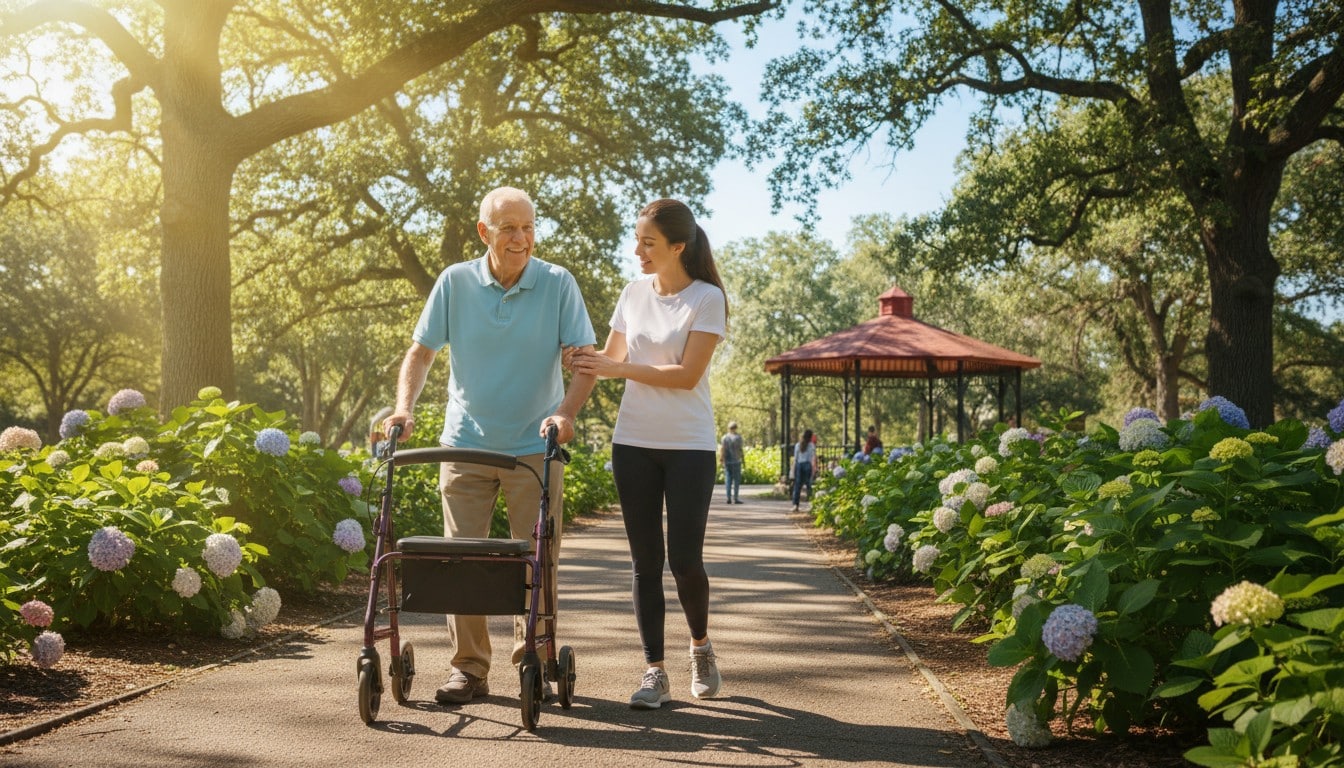
Falls are probably one of the greatest threats that an old person can face. Home care services assist seniors in moving safely in and around their homes. They provide constant support during transfers between a bed and a chair or while going up or down stairs. Older adults can stay active and feel safe in their own homes through careful intervention to prevent injury.
Transportation and Errands
Getting around can be difficult when it is unsafe to drive. Running errands, shopping, and appointments often accompany home care. These activities need reliable support in order to maintain some level of independence and fulfill basic requirements. Seniors can keep participating in community life and stay in routines.
Meal Preparation and Nutrition
Eating correctly is still important for older adults, but cooking healthy meals isn’t always an option. Caregivers prepare nutritious dishes personalized to dietary specifications. They take into account any medical restrictions or food preferences. Great food helps seniors develop physical strength, recover from illnesses, and support their well-being.
Encouragement for Physical Activity
For seniors, remaining active allows them to stay mobile, as well as care for chronic health conditions. The staff responsible for home care encourages light exercise based on individual capabilities. Everyday habits, including stretching or brisk walks, form part of everyday routines. Gentle movement enhances circulation, increases energy, and tones muscles, which promotes better balance and flexibility.
Support for Memory Challenges
Memory loss is a big concern in the elderly, and daily chores become challenging to follow. Home care experts enable seniors to move through their day-to-day routines and send cues for essential events. Having this kind of ongoing support minimizes anxiety and promotes a sense of reassurance among the elderly.
Relaxation for Family Caregivers
Caring for an aging loved one can be fulfilling, but it also presents difficulties. Family caregivers often need a break to recharge. Respite care offers these essential pauses, enabling caregivers to unwind or attend to other responsibilities. This support fosters peace of mind and strengthens family connections, as reliable professionals manage everyday tasks. Strategic senior care planning ensures that both the senior and the caregiver have the resources they need for a healthy lifestyle.
Conclusion
Home care provides crucial assistance needed for seniors to be able to live at home in comfort. With help in daily activities, health tracking, and social contact, elderly people maintain more independence and a better quality of life. It is also comforting for families to know their loved ones are getting the attentive, compassionate care they deserve. In an age where every other consumer sector is improving its services, when the economy is evolving to address the needs of the greying population, the role of home care is never going to diminish.


