
Card games bring quiet focus, steady pace, and a sense of control during relaxed moments. With that in mind, each move shapes the board so that a clear strategy can turn random deals into satisfying wins. As a result, a thoughtful approach helps avoid blocked paths and supports better use of every available card.
Card games like Solitaire remain favorites that reward patience, logic, and careful decision-making. In turn, players who rely on structure and timing tend to see smoother progress across every round. With everything considered, this article explains easy layout tricks that help improve every move and increase winning chances.
For players looking to refine their digital gameplay, excellent Solitaire websites offer intuitive platforms that pair well with the strategies discussed here.
Start With The Cards That Free Space
Research has shown that playing Solitaire can help stimulate cognitive functions, making each thoughtful move a beneficial mental exercise as well.
Every layout benefits from early moves that clear columns and create room for better card placement later. An open column gives freedom to shift sequences and reorganize stacks without unnecessary restrictions across the tableau. Empty spaces act like tools that support smarter decisions and help avoid blocked positions during critical turns. A careful start that focuses on space creation sets a steady pace for stronger control over the entire board.
Flip Hidden Cards As Soon As Possible
Prioritizing moves that expose the most constrained areas of the tableau often yields better results than focusing on stacks that already offer multiple options.
Hidden cards limit choices and slow down progress, so revealing them should stay a constant priority. Each revealed card brings new paths and reduces uncertainty, which helps in planning smarter moves. If cards remain face down for too long, useful sequences may get trapped and delay access to important low-value cards. A steady habit of pattern recognition during reveals helps assess risks clearly and supports stronger decisions.

Use The Draw Pile With A Plan
The draw pile serves as a support tool, but careless use can create confusion within the layout. Each card from the pile deserves attention, since it may connect with existing sequences or unlock blocked stacks. Quick passes through the pile without thought can waste chances that might improve the board structure. A steady approach toward each draw helps maintain clarity and prevents unnecessary disruption across the tableau.
Build Columns In Alternating Colors Wisely
Tracking which cards have already appeared from the draw pile adds another layer of useful information. Knowing what remains in the deck helps players decide whether to move cards from the tableau or wait for better options to surface.
Diverse color sequences form the foundation of progress, but careless stacking can lead to difficult situations. Each placement should support future moves rather than just solving an immediate need within the current layout. Long sequences built without thought can block key cards and reduce flexibility across multiple columns. A balanced approach to stacking ensures smoother transitions and avoids tight situations later.
Hold Back On Moving Cards To Foundation Too Early
Taking time to study how each column interacts with others helps reveal patterns that might otherwise go unnoticed. Recognizing when to build up a long sequence versus when to hold cards in reserve allows for greater adaptability throughout the game.
Cards placed in the foundation may feel rewarding, yet early transfers can limit useful rearrangement options within the tableau. Low-value cards sometimes serve better within columns where they support deeper sequences and hidden card access. Sending them away too soon reduces the chances of creating effective empty columns later. A thoughtful delay with foundation moves can preserve flexibility and support stronger layout adjustments when needed.
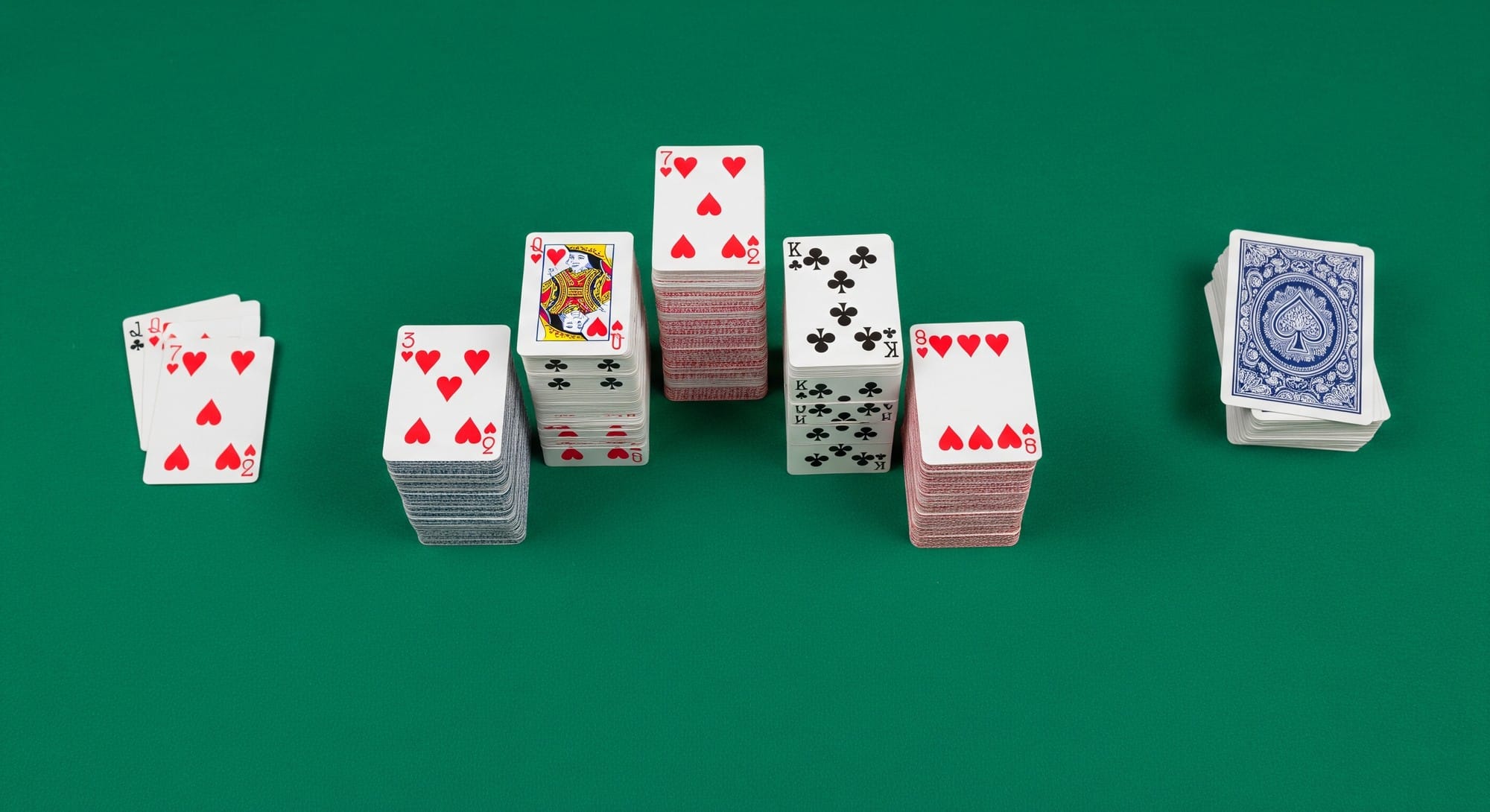
Revisit The Layout Before Every Move
A brief pause before each move allows a clearer view of possible outcomes across the entire board. Small differences in choice can shape future options, so careful observation helps prevent avoidable mistakes. A rushed move may close paths that could support better sequences or reveal hidden cards. Regular review of the layout encourages smarter decisions and builds a steady rhythm that improves overall performance.
A steady approach with clear priorities can turn uncertain rounds into more controlled and satisfying results. Digital card games, such as Solitaire, reward patience and smart choices, especially when each move supports future possibilities across the layout. Put these tips into action and aim for a win in every game with smarter, more confident moves.
Consistent practice with these layout strategies soon turns them into second nature, making each round feel more deliberate and rewarding.


