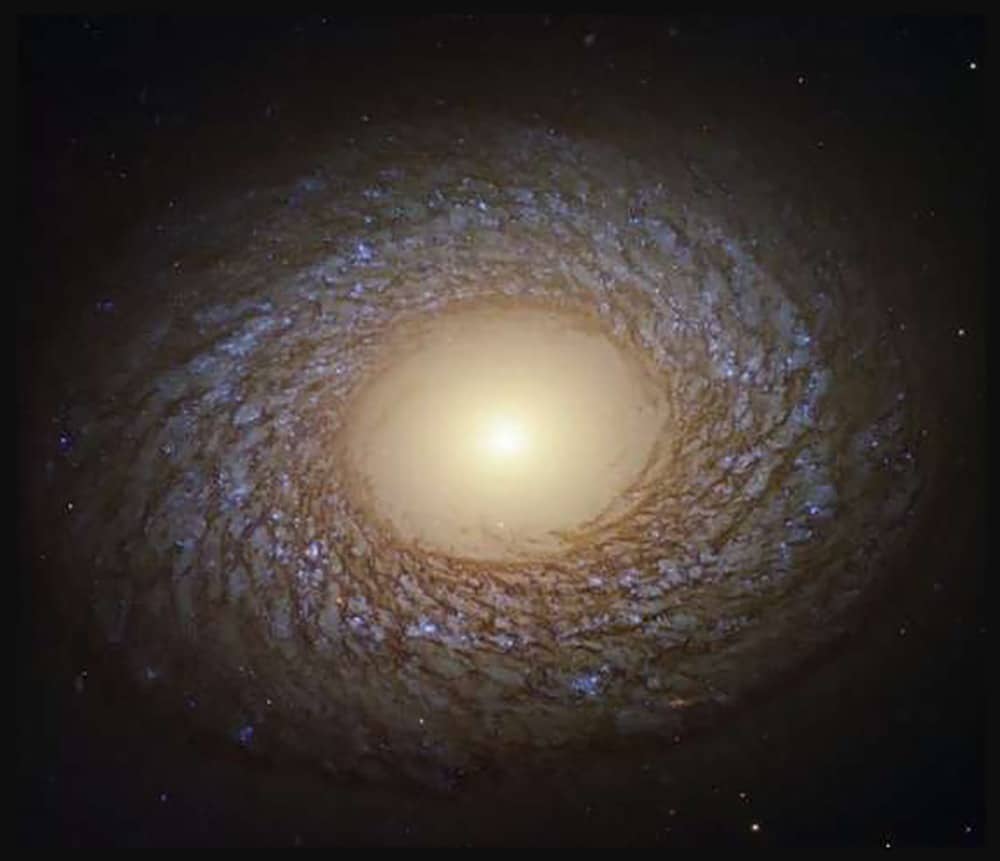
In 2020, space exploration achieved many notable firsts, including returning samples of an asteroid to Earth and commercial human spaceflight. This year, there will be several exciting missions exploring the Moon, Mars, and beyond.
Artemis Program
Artemis I is the first flight from NASA’s Artemis program to return humans to the Moon. Artemis I will involve an uncrewed Orion spacecraft carrying out a three-week flight test around the Moon. Artemis II will consist of the first crewed flight test of the Space Launch System (SLS) Orion and is scheduled for launch in 2022. Artemis III will land astronauts on the Moon by 2024 and then about once a year afterward.
Artemis 1 will launch into Earth orbit on Nasa’s first SLS, the most powerful rocket globally. The Orion will be propelled into a high-Earth orbit by the rocket’s interim cryogenic propulsion stage (ICPS) from Earth orbit. The service module, supplied by the ESA, will provide the last push needed to put the Orion capsule on a path toward the Moon.
The mission will shed some light on how the spacecraft performs in deep space and will serve as a prelude to later crewed missions to the Moon and eventually to worlds beyond, including Mars. The Artemis 1 is expected to launch from NASA’s Kennedy Space Center in Florida in late 2021.
Three Mars Missions
February is a busy month for Mars, as it will receive a fleet of robotic guests from several countries, including the United Arab Emirates’ Al Amal (or Hope) spacecraft – the Arab world’s first space expedition. Riding a Japanese H-2A rocket, the Hope spacecraft departed from the Tanegashima Space Center in Japan on July 19, 2020, and is expected to arrive in Mars orbit on February 9, 2021. Once it has arrived, it will spend two years monitoring the Martian weather and disappearing atmosphere. The Hope probe carries a digital camera to capture images of the Martian surface, ice clouds, and dust storms, as well as spectrometers to measure multiple levels of the planet’s atmosphere.
The China National Space Administration’s Tianwen-1 will arrive a couple of weeks after the Hope spacecraft. Tianwen-1 consists of a surface rover and an orbiter. It will enter Martian orbit for several months before sending the rover to the surface. If all goes well, China will become the third country to land anything on Mars. The mission will involve mapping the Martian surface’s mineral composition and searching for sub-surface water deposits.
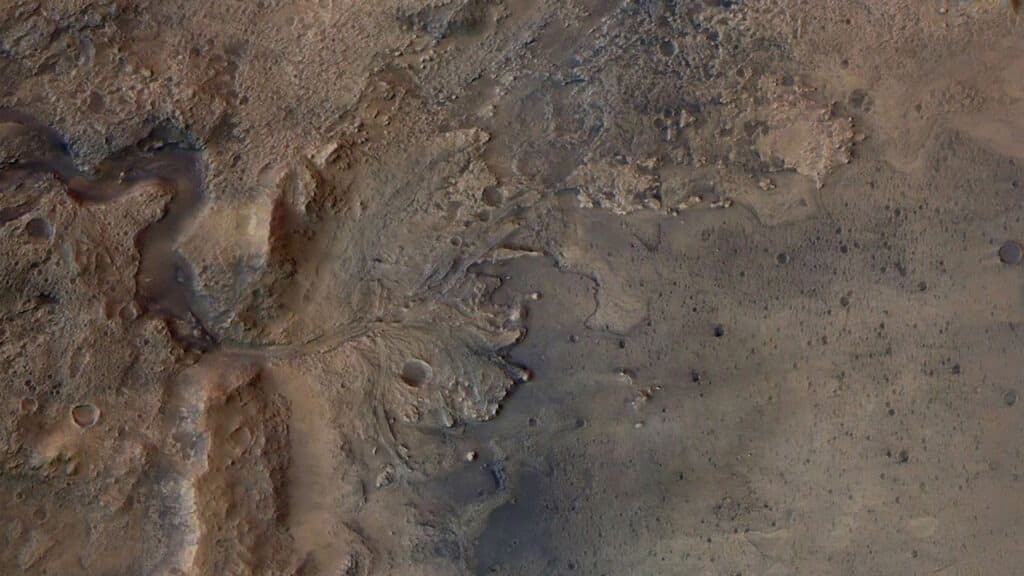
On February 18, NASA’s Perseverance rover will land at Jezero Crater, where it will search for signs of ancient microbial life that may be preserved in the clay deposits. It will also collect a supply of Martian surface samples to return to Earth.
Chandrayaan-3
The ISRO (Indian Space Research Organization) plans to launch its third lunar mission – Chandrayaan-3 – in March 2021. Chandrayaan-1 launched in 2008 and was India’s first deep-space mission. Chandrayaan-1 comprised an orbiter and a surface penetrator probe; the mission was one of the first to find evidence of lunar water.

Chandrayaan-3 will consist of only a rover and a lander, as the previous mission’s orbiter is still operational and providing data. The Chandrayaan-3 rover is planned to land in the lunar south pole’s Aitken basin, where it’s suspected to host subsurface water ice deposits.
The Webb Telescope
The Hubble Space Telescope has provided some stunning images of the universe in light’s visible and ultraviolet regions. However, the James Webb Space Telescope will see more of the universe by focusing observations in the infrared wavelength band.
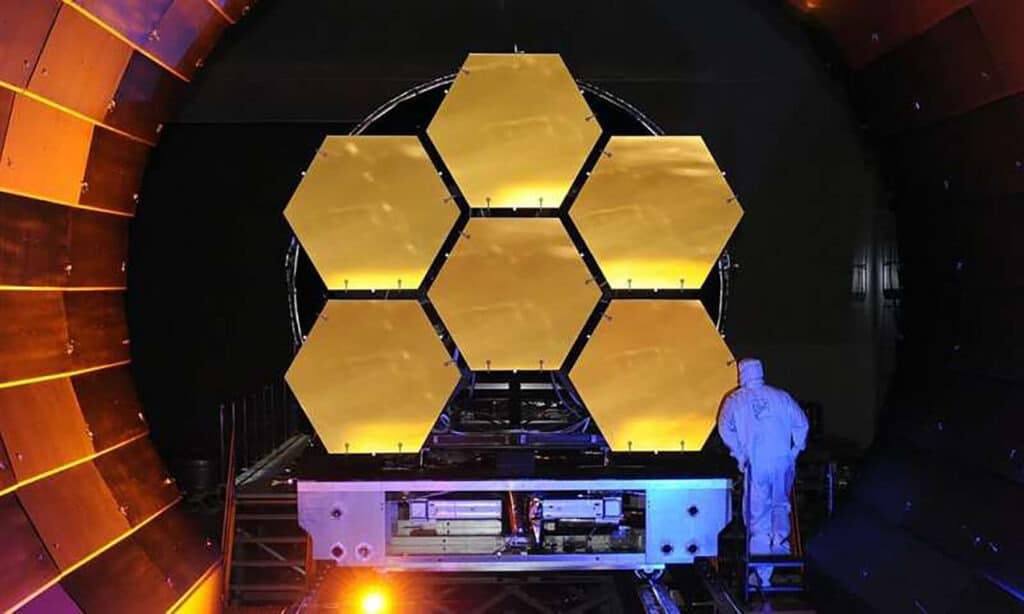
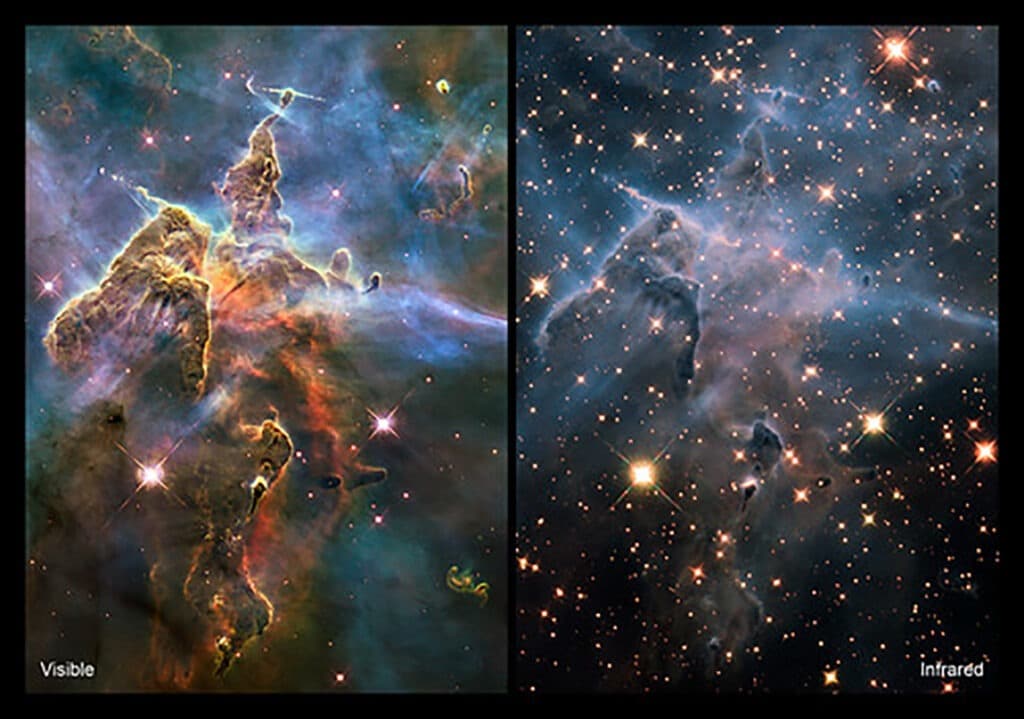
When observing objects far away, there will most likely be gas clouds in the way. These gas clouds block tiny light wavelengths, like ultraviolet light and X-rays, while longer wavelengths such as microwave, radio, and infra-red can pass through more easily. Observing in these longer wavelengths is how the Webb telescope will see more universe. Webb also has a larger mirror of 6.5-meter diameter than Hubble’s 2.4-meter diameter mirror— a crucial factor for improving image resolution for finer detail.
Webb’s primary goal is to observe light from galaxies at the edge of the universe to understand how the first stars, galaxies, and planetary systems formed and possibly about the origin of life as well. Webb is also planning on searching for the building blocks of life by imaging exoplanet atmospheres in great detail. The Webb Telescope is scheduled to launch on an Ariane 5 rocket in Kourou, French Guiana, on October 31, 2021.