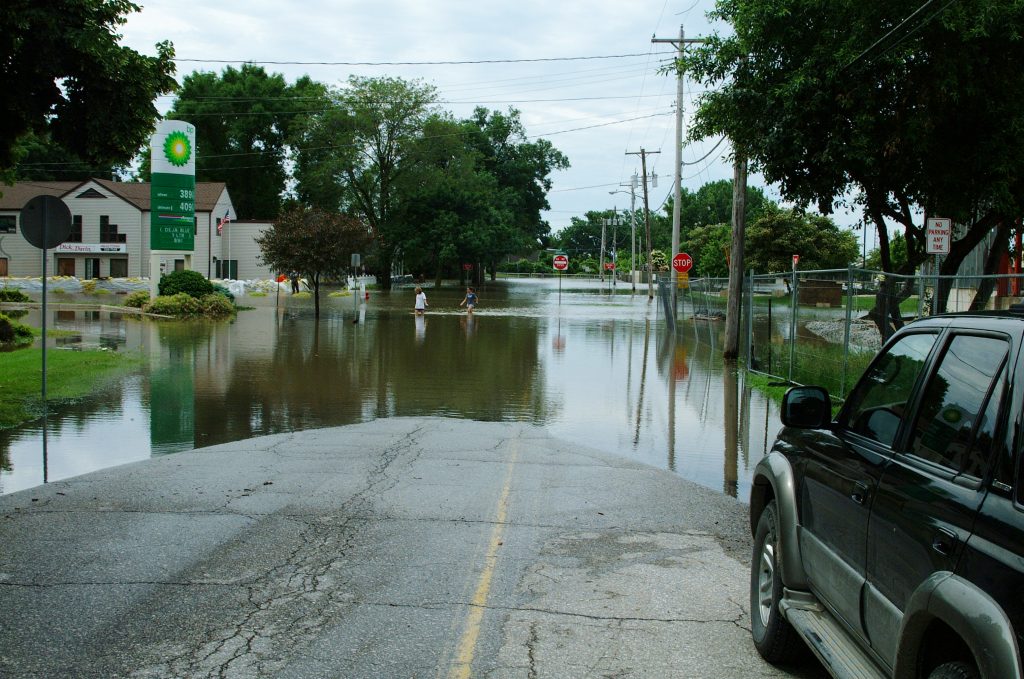
Scientists are beginning to turn to Twitter to check on weather-related issues. Given the number of people who use the app, scientists can check in on people’s Tweets for flood and cover a larger area than what current weather stations can.
Recurring or minor floods are known as “nuisance” floods. These are generally on a small scale, so many official weather stations do not keep track or even register the smaller nuisance floods.
However, a new study that was published in Nature Communications, these floods may be happening more frequently than official weather figures suggest.
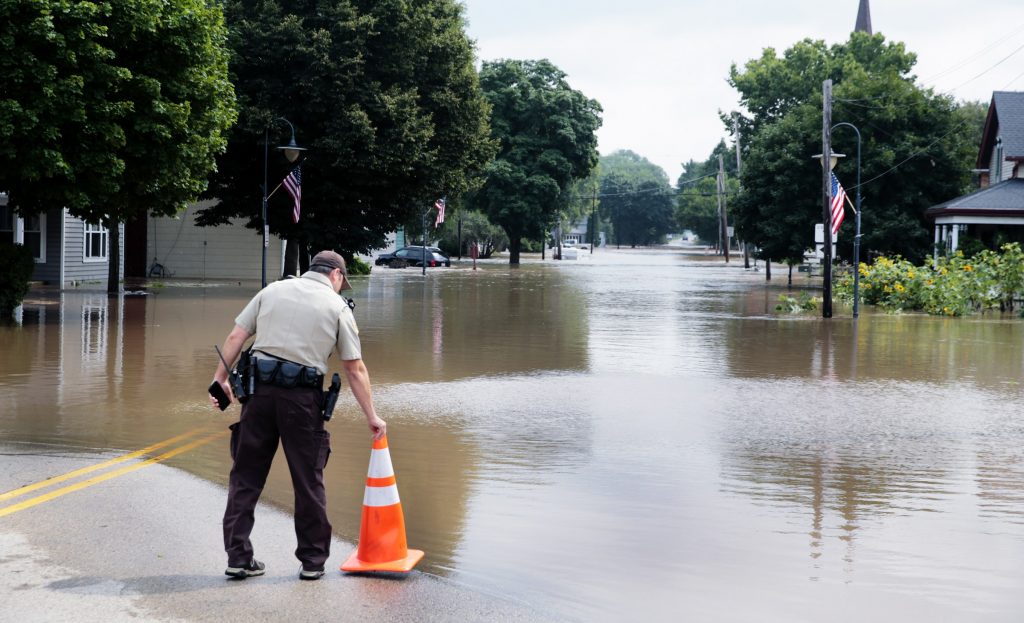
Francis C. Moore from the University of California, Davis’ Department of Environmental Science and Policy and Nick Obradovich of the Max Plank Institute for Human Development in Berlin reported:
Our analysis implies that large populations might currently be exposed to nuisance flooding not identified via standard measures.
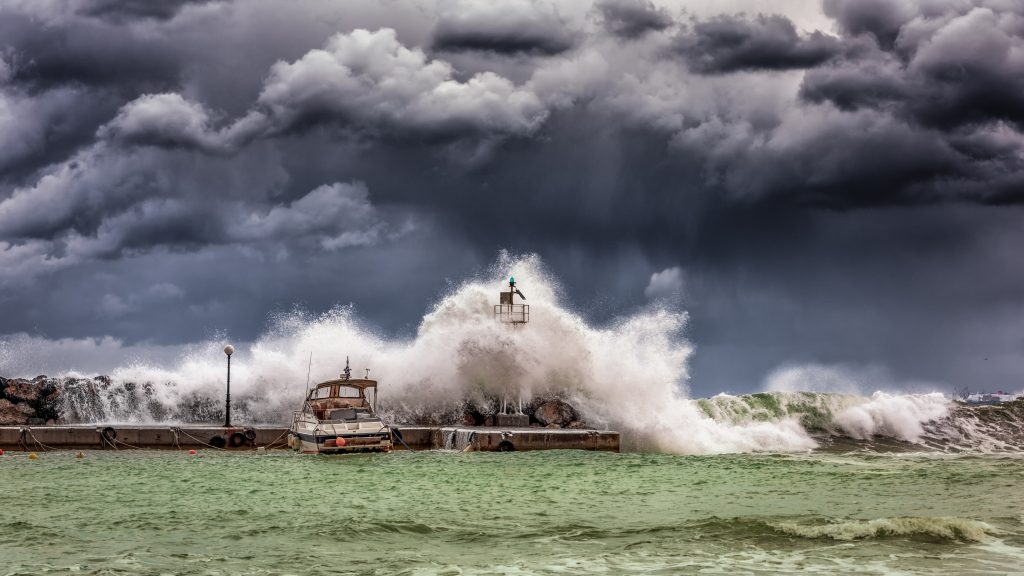
With coastal flooding becoming increasingly common, social media has helped show the scientists which specific counties are continually experiencing flooding. What they’re finding is several of these counties are experiencing flooding at tide heights that are lower than existing flood thresholds.
Included in that list are major cities Boston, New York, and Miami whose total populations are more than 13 million people.
Along the East Coast and down through the Gulf, the U.S. only has around 132 tidal gauge stations that cover 3,700 miles of coastline, which only gives scientists and weather experts a broad overview.
The researchers decided to begin analyzing tweets and looked at 5 million from March 2014 and November 2016 that were located along the shorelines and which mentioned flood-related terms. From the 5 million tweets they ended up with a dataset with 413,000 observations from 237 counties that included 473,000 flood-related tweets.

The scientists created a “remarkable threshold” where the increase in the volume of posts increased by at least 25%, which they could then compare with official tidal gauge flood records.
In most cases, where the tide gauge was measured in the same county or a neighboring county, minor tidal flooding according to tweets and the remarkable threshold, is different from the “official defining minor coastal flooding.”
They found certain areas are more susceptible than others, with the greatest difference coming along the gulf coast in Texas, where they had an “increase in flood-related posts at much lower tides heights.” The analysis shows this is not only due to heavy rainfall, high tides contribute to drainage problems which exacerbate flood conditions.
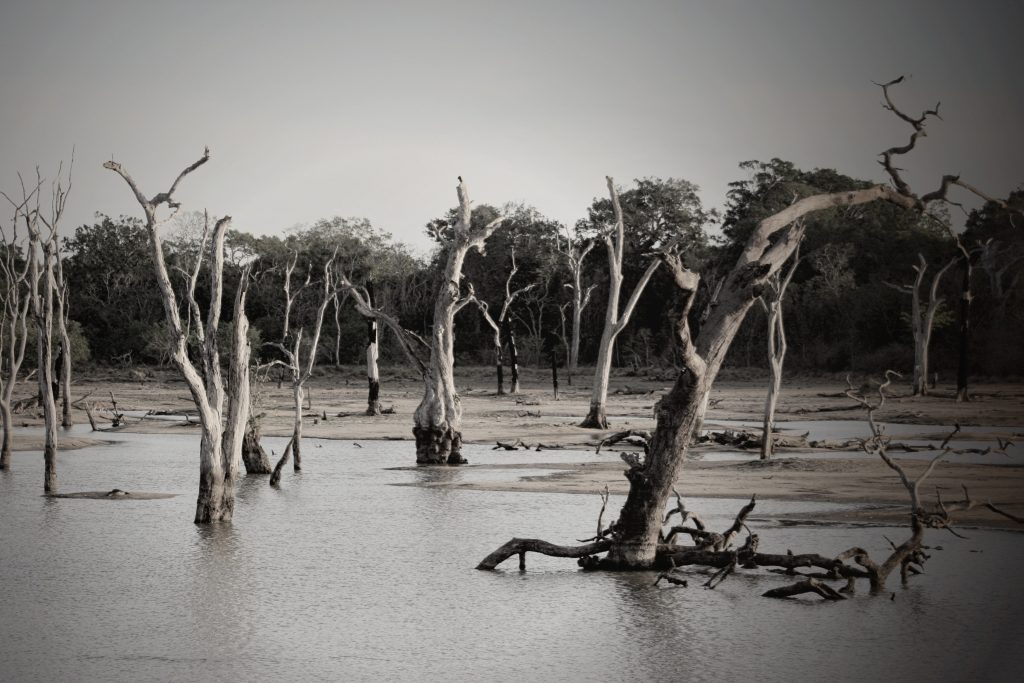
The scientists involved did this study because of the growing awareness around the global rise in sea levels, which will surely bring an increase in flooding.
Coastal floods and inundation are projected to produce some of the primary social impacts of climate change, imposing significant costs on communities around the world.
As they point out using social media can help us target problems;
Our analysis has also demonstrated the potential role that remarkability metrics derived from social media data could play in understanding the significance of specific hydrometeor-logical events.
Further monitoring of these tweets by scientists, local planners, and community leaders can become a warning sign for further action to be taken to build up infrastructure and prepare for future large-scale events that may occur.
Increased awareness of social media users and residents can also be beneficial. As long as people use this responsibly and send out weather-related tweets when it’s relevant, it will be able to provide further assistance to help the communities in which they live.