
In an era where the essence of youth and the mechanisms of aging hold the rapt attention of scientists and the public alike, a pioneering discovery has emerged from Stanford University. A research team led by Matthew Swaffer has laid bare a crucial mechanism that underpins cell growth and aging. Their work, a confluence of biology, technology, and sheer intellectual persistence, provides an unprecedented explanation for how cells can maintain efficiency and vitality as they expand. This story brings us to the very fabric of life, where RNA synthesis and cellular scaling could hold secrets to longevity and the treatment of age-related diseases.
Unraveling Biosynthetic Scaling: Stanford’s Groundbreaking Discovery
For decades, scientists have been intrigued by a biological problem: how does a cell, growing in size, manage to increase the quantity of its internal biomolecules to stay healthy and properly function? The process, known as biosynthetic scaling, was first observed in the 1970s. Yet, despite extensive research, the specific mechanisms controlling this vital aspect of cellular biology remained elusive—until now. The new study, published in the prestigious journal Cell on November 22, has finally provided clarity to this longstanding question.
Growth of the RNA Machinery
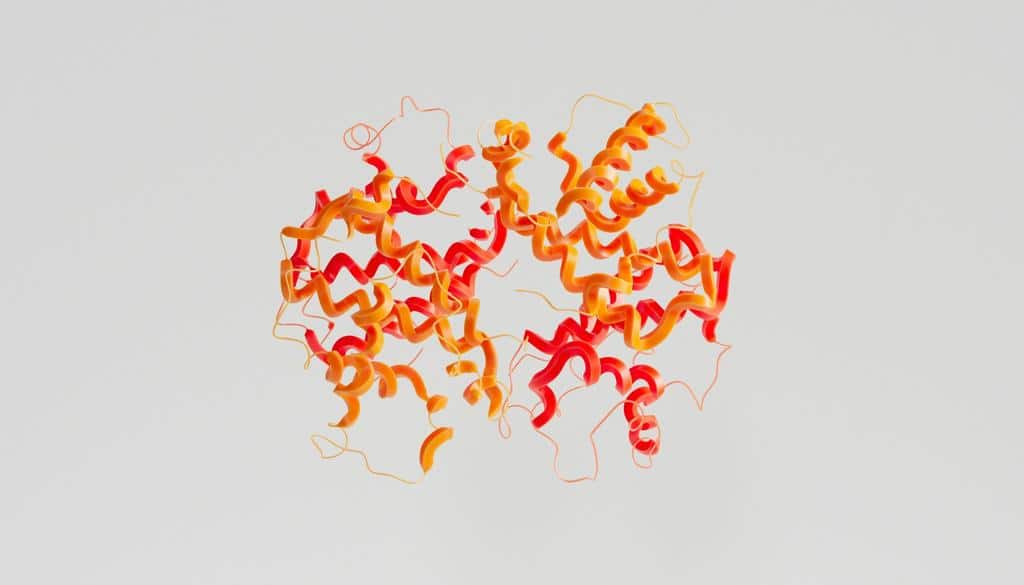
At the center of this significant discovery is an enzyme called RNA polymerase II (RNAPII), which orchestrates the transcription of DNA to messenger RNA (mRNA), essentially the manuscript from which proteins—the workhorses of the cell—are made. Through meticulous research, Swaffer and his colleagues found that as cells grow, the availability of RNAPII crucially grows with them. This scaling of RNAPII allows cells to continually churn out the mRNA needed to produce proteins in the right quantities, thus ensuring cellular processes remain uninterrupted.
Secondary Mechanisms in Large Cells
Furthermore, Stanford researchers unveiled a backup system that supports the process when cells reach an exceedingly large size and the quantity of RNAPII is insufficient. In this scenario, the stability of mRNA molecules is increased, a feedback mechanism that tempers the concentration of mRNA, preserving the delicate equilibrium within the cell’s inner workings. This fascinating strategy enables cells to buffer the challenges of growth and to sustain the intricate balance of life processes at a larger scale.
Innovative Experiments Uncover RNAPII’s Vital Role
The path to these insights was paved with innovative experiments and meticulous measurement. Swaffer conducted groundbreaking trials where yeast cells operated with reduced quantities of critical biomolecules for transcription. Intriguingly, the only factor that hampered transcription was a reduction in RNAPII, pointing to its irreplaceable role in the process.
Reflecting on Cellular Health and Disease
These discoveries carry profound implications for our understanding of cell health and the onset of disease. Misguided biosynthetic scaling is hypothesized to contribute significantly to cell deterioration and the progression toward senescence, a state in which cells stop dividing and accumulate, causing inflammation and tissue dysfunction. The researchers believe that disruptions in mRNA homeostasis may be what sends cells down the path toward aging.
Looking Ahead
This revelation also offers a tantalizing glimpse into the potential of manipulating these mechanisms for the prevention and treatment of diseases as well as for the burgeoning field of anti-aging therapies. Moreover, cellular senescence, a focus of many current studies, represents a crucial component of the aging puzzle. This study, a blend of pure science and translatable biomedical research, could serve as a springboard for future explorations to refurbish the aging process.

Linking Studies to Stem Cells and Aging
The implications of the study stretch further when considering stem cells, the progenitors of all cell types. These diminutive yet powerful cells experience an increase in size and a corresponding decrease in their regenerative capabilities as organisms age. These findings spotlight a potential avenue by which aging might be influenced at the cellular level.
Unveiling RNA Polymerase II: A Gateway to Cellular Understanding
In the magnificent theatre of the microscopic, the equilibrium of life is maintained by a delicate dance of molecules and processes of birth, growth, and decline. RNA polymerase II, a hitherto underappreciated molecule in the public eye, now stands as a central character in our understanding of this dance. As we unravel the threads of cellular scaling and stability, we move closer to translating these scientific insights into real-world applications that could shape the future of medicine and aging.
Beyond doubt, the value of such research is immeasurable, not only for the enrichment of our academic knowledge but also for the potential impact on human health and longevity. The story of this scientific voyage serves as a testament to the tenacity and brilliance of the human quest for knowledge. As we stand on the brink of these biological revelations, we can only imagine where these new-found cellular pathways will lead us.


