
The rapid advancement of technology has reshaped countless industries, and the world of plumbing is no exception. Once considered a traditional, hands-on trade, modern plumbing is now at the forefront of innovation, integrating cutting-edge tools and digital solutions. This evolution brings significant advantages, offering homeowners and professionals alike more efficient processes, accurate diagnostics, and a higher standard of quality in every repair and installation.
This guide explores the most significant ways technology is transforming the modern plumbing industry. From the convenience of smart home integration and the precision of advanced diagnostic tools to the rise of sustainable, energy-efficient systems, these changes are setting a new benchmark for service and reliability. Understanding this technological shift reveals an industry that is not only keeping pace with the modern world but is actively shaping a more efficient and resilient future for our homes.

Smart Home Integration
The emergence of smart home technology has revolutionized many aspects of home maintenance, including plumbing. Smart sensors can now monitor water usage in real-time, detecting leaks and unusual spikes in water consumption that may indicate an underlying problem. Technology helps homeowners stay proactive about maintenance, allowing for early interventions before minor issues escalate into significant repairs. Smart toilets, faucets, and showers equipped with sensors automatically adjust flow rates to conserve water.
They promote sustainability while simultaneously enhancing user experience. Technicians can utilize smart tools that connect to mobile devices, enabling them to access diagnostic data remotely. This quick access streamlines the repair process, reducing costs for both the plumber and homeowner. The blend of smart technology with plumbing innovations creates a future where maintenance is both seamless and efficient.
Pinpointing Problems with Advanced Diagnostic Tools
An important aspect of modern plumbing is the advent of advanced diagnostic tools that pinpoint issues more accurately than traditional methods. Cameras used for pipe inspection allow technicians to visually assess the condition of plumbing systems without excessive excavation or disruption. This technology reduces labor time and minimizes the mess often associated with plumbing repairs. Technicians can now deploy infrared thermography to detect temperature variations within walls and ceilings, indicating potential leaks behind surfaces.
When used with other non-damaging testing methods, these tools help us understand plumbing systems better, allowing for focused and effective repairs. Digital pressure gauges measure water pressure accurately, ensuring that systems are functioning optimally. Precise diagnostic capability prevents the aggravation of common plumbing problems that can escalate from unnoticed leaks or high pressure. With these advancements, plumbers work smarter, not harder, ensuring customer satisfaction and long-term solutions.
Mobile Apps & Online Platforms
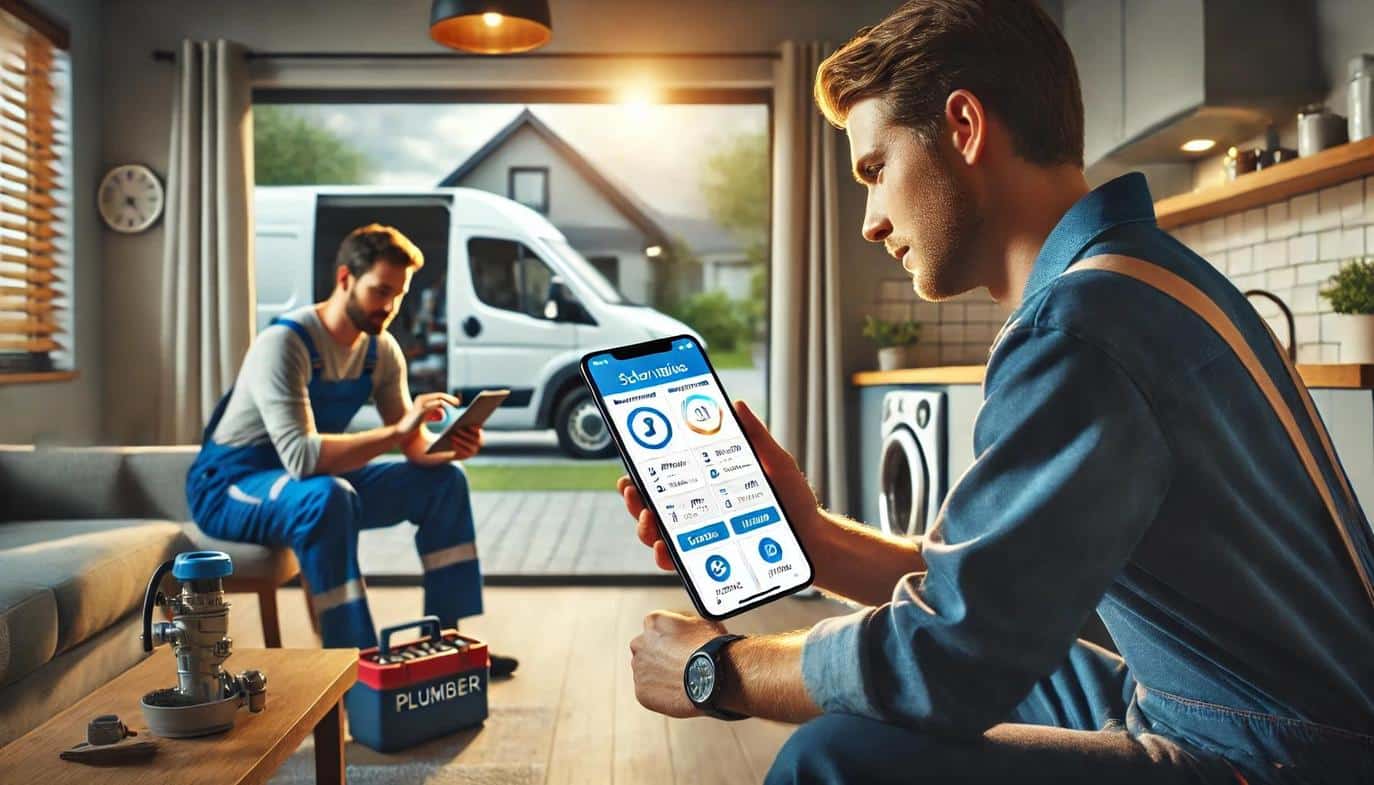
Mobile applications and online platforms are changing how plumbing services are requested and delivered by both customers and professionals. Homeowners can schedule appointments, describe their plumbing issues, and even track the arrival of their technician with just a few taps on their smartphones. This accessibility boosts convenience and allows for transparent communication between service providers and customers. For plumbing businesses, these applications facilitate better customer relationship management.
They can keep track of service history, customer preferences, and follow up on previously completed jobs. This data is invaluable for tailoring service to ensure higher customer satisfaction and loyalty. Plumbers can use apps to collaborate with other professionals and access a wealth of resources, tips, and training materials through online platforms, fostering constant learning and adaptation to new technologies.
3D Modeling and Virtual Reality
The application of 3D modeling and virtual reality (VR) is revolutionizing plumbing repairs and installations. With 3D modeling software, plumbers can create detailed layouts of plumbing systems, helping to visualize the most efficient configurations before starting a project. This planning reduces the likelihood of costly mistakes and increases project success rates. VR technology is a vital tool for training new plumbers.
By simulating real-world scenarios, trainees can practice troubleshooting and repairs in a controlled environment, enhancing their skills without the pressure of working in a real-time situation. Such immersive experiences lead to better-prepared technicians, who can handle the complexities of modern plumbing systems competently. These advancements foster a deeper understanding of plumbing infrastructure, allowing for innovative solutions that benefit both professionals and customers alike.
Using Technology to Boost Energy Efficiency
As awareness about environmental sustainability grows, technology is addressing energy efficiency in plumbing systems. High-efficiency fixtures such as toilets and faucets use less water while maintaining performance levels comparable to traditional models. Smart systems can monitor usage to ensure efficiency and alert users to potential waste, improving resource conservation.
Advancements in water heating technology, including tankless and solar water heaters, provide energy-efficient alternatives that reduce energy bills and environmental impact. Homeowners can enjoy consistent hot water while knowing they are making eco-friendly choices. Leveraging such technology benefits the environment and aligns with community efforts to conserve resources, positioning plumbing as a responsible vocation committed to sustainable practices.
Enhanced Employee Training and Development
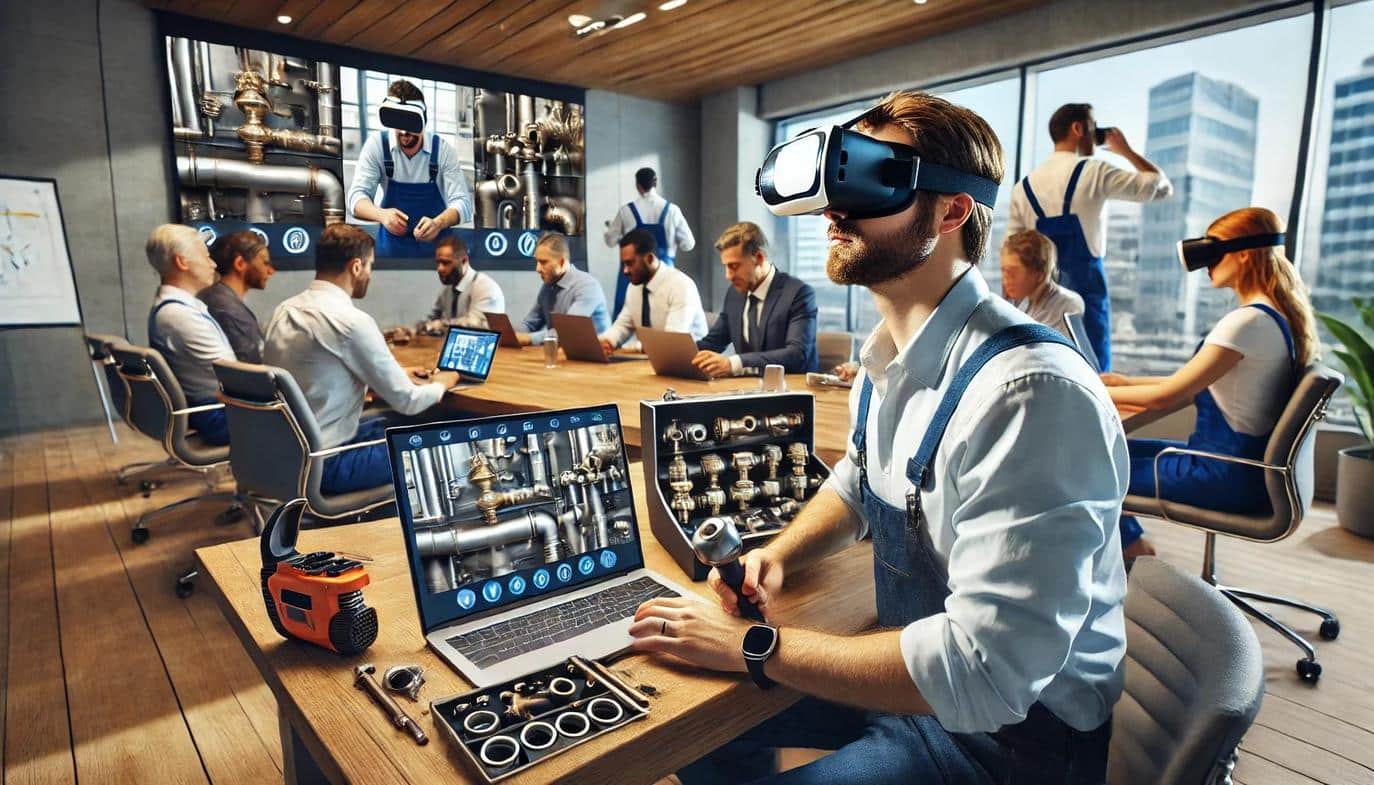
Technology also plays a significant role in employee training and development. Video conferencing tools and e-learning platforms allow plumbing professionals to continue their education on new techniques, regulations, and technologies from anywhere in the world. This accessibility helps foster a culture of innovation within plumbing companies, allowing them to stay ahead of industry trends.
Virtual workshops and online resources act as valuable supplements to hands-on training, ensuring plumbers can develop a comprehensive understanding of the latest advancements in their field. This emphasis on ongoing education translates into polished skills on job sites, which directly benefits customers. A knowledgeable workforce is better equipped to tackle various plumbing challenges, reinforcing the importance of technology in shaping future technicians.
Streamlining Service with Automation
Automation is increasingly shaping service operations in the plumbing industry. Integrated software systems now automate scheduling, dispatching, invoicing, and customer follow-up. These systems ensure that jobs run smoothly, allowing technicians to focus on what they do best—providing quality service. Automated notifications inform technicians of appointments, reducing missed jobs and improving efficiency.
This level of operational efficiency contributes to a better customer experience, as clients enjoy prompt service with timely communications. When a plumbing issue arises, fast and effective responses make all the difference. Embracing automation leads to streamlined workflows and more time for skilled professionals to handle plumbing repairs with excellence. As the industry continues to embrace these changes, customers will likely see even further refinements in service quality and satisfaction.

The Future of Plumbing is Smart and Sustainable
The plumbing industry is undergoing a remarkable transformation, driven by technological innovation. From smart home devices that prevent leaks to advanced diagnostic tools that ensure precision, modern plumbing repairs are more efficient and reliable than ever. These advancements not only enhance the quality of service but also empower homeowners with greater control over their systems. As technology continues to integrate into this essential trade, the result is a more proactive, sustainable, and customer-focused approach to plumbing.
Embracing these changes is crucial for both professionals and homeowners. For plumbers, staying current with new tools and training ensures a competitive edge and the ability to offer top-tier service. For homeowners, understanding the benefits of modern plumbing technology leads to smarter decisions, long-term savings, and a more resilient home. The future of plumbing is here, and it promises a smarter, more efficient, and convenient experience for everyone.
Frequently Asked Questions About Plumbing Technology
How does smart home integration prevent water damage?
Smart home plumbing systems use sensors to monitor water flow in real time. If a leak or an unusual spike in usage is detected, the system can send an alert to your phone and, in some cases, automatically shut off the water supply, preventing costly water damage.
Are advanced diagnostic tools like pipe cameras worth the cost?
Yes, these tools are highly valuable. They allow plumbers to accurately identify the exact location and cause of a problem without destructive guesswork, such as digging up yards or breaking through walls. This saves time, reduces labor costs, and minimizes property disruption.
How is technology making plumbing more eco-friendly?
Technology promotes sustainability through high-efficiency fixtures that conserve water, smart systems that prevent waste, and energy-efficient water heaters. These innovations help reduce a household’s environmental impact and lower utility bills.


