
In the expansive world of cannabis, researchers are particularly interested in two highly potent compounds: tetrahydrocannabinolic acid (THCa) and the widely popular tetrahydrocannabinol (THC). For those not well-versed in this field, it’s easy to confuse these two compounds and make the mistake of choosing something that isn’t suited to the desired effect.
Understanding the distinctions between the two compounds is essential in determining which one can provide the desired effects. To provide clarity, let’s explore the characteristics, variances, and significance of THC and THCa. This will enable you to make informed decisions about these crucial cannabinoid compounds.
Chemical Composition: THC Vs. THCa
While THC and THCa may possess similar names, their chemical compositions have some core differences.
THC (Tetrahydrocannabinol)
THC is popularly known for its psychoactive properties. When consumed, its intoxicating effects create a natural ‘high’ in the brain. This happens when THC is taken in the form of smoking, vaporizing, making edible, or any other method, as it goes through the decarboxylation process.
THCA (Tetrahydrocannabinolic Acid)
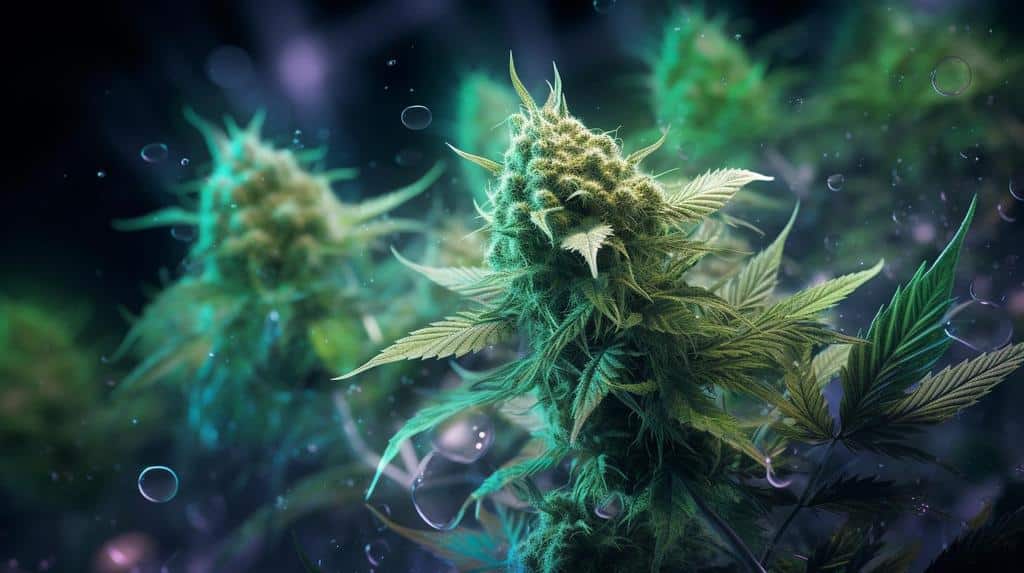
THCA is the form that precedes THC. It is found in raw and unprocessed cannabis, specifically before being heated. Naturally, THCa doesn’t create the famous ‘high’ effect in the brain, meaning it’s non-psychoactive.
For instance, THCa diamonds or crystals won’t incite the ‘high’ effect in the first place. They’ll need heating before turning it into THC, essentially through the decarboxylation process.
Decarboxylation to Reveal Potency
As said earlier, the decarboxylation process is essential in turning the real potency of cannabinoid compounds like THC and THCa on.
As the cannabinoid properties are exposed to heat, they break down THCa’s acid molecules. Doing so it leaves behind THC.
Heating processes like smoking or vaporizing expedite the decarboxylation process. It turns THCa into THC, which ultimately incites the euphoric effect in the brain.
Psychoactive Properties
If you’re looking for the key difference between THC and THCA, it’s the psychoactive properties that make one distinct from the other.
Naturally, THCa is the very raw form of cannabinoids found in plants. It doesn’t stir the ‘high’ effect, which you might associate with cannabis.
This is simply because THCa can’t bind to the CB1 receptors, which is the main reason behind the euphoric effect derived from THC.
But unlike THCA, THC effectively binds to the CB1 receptors and maneuvers psychoactive effects upon consumption. As a result, the users may experience relaxation, increased appetite, euphoria, altered perception, vision difficulties, etc.
Medical Benefits
THC might be a powerful name in the cannabis world due to its psychoactive properties. However, unlike THC, THCa has gained reverence for its potential therapeutic properties.
As per research, THCa contains neuroactive, anti-inflammatory, and antiemetic properties. Furthermore, THC may render pain management to those who are in need without the side effects of psychoactive experiences of THC.
Rightly so, many users today prefer consuming raw THCa to get the medicinal benefits induced in their bodies. Since THC products are associated with psychoactive effects, such users prefer THCa to THC.

Consumption Methods: Raw Vs. Processed Cannabis
One of the common differences between THC and THCa is how you consume them. Such as:
Raw Cannabis
You can consume raw cannabis with salads, Green smoothies, almond milk, smoothies, etc. This helps you receive the beneficial non-psychoactive properties of THCA.
Remember, consuming raw THCa in this method keeps you safe from the negative health effects by preserving the acid form of cannabinoids. It renders diverse therapeutic effects in the body in the process.
Processed Cannabis
When the THCa is heated through smoking, cooking, or vaporizing, it sets the decarboxylation process in motion. Hence, it turns THCa into THC. THC users differ from those who seek therapeutic benefits through raw THCa.
In fact, many THC users are more into getting the euphoric effects upon consuming THC cannabinoids through smoking or vaporizing. For example, the rise of various Delta-8 THC products shows how high the demand is in the current market.
However, in terms of using both THC and THCa, practicing moderation is the key to acquiring optimum health benefits.

Entourage Effect
When combined with other cannabinoids, terpenes, and flavonoids, THC and THCa produce the entourage effect, resulting in a more potent and enhanced overall effect.
The entourage effect refers to the synergistic interaction of different compounds in the cannabis plant, resulting in a more potent and enhanced overall effect. This occurs as various compounds within the plant work together to create a combined effect that is greater than the sum of its parts.
Terpenes are aromatic compounds found in cannabis that contribute to its distinctive flavors and aromas, while flavonoids are responsible for the plant’s vibrant colors and also possess various health benefits.
While THC is primarily responsible for the intoxicating effects, the presence of THCa and other compounds can modify and modulate the overall experience. This interaction leads to a distinct and altered effect, offering a nuanced experience for users.
The entourage effect, involving THC, THCA, and other supportive cannabinoids, can have significant therapeutic effects on users. These effects include pain relief, anti-inflammatory properties, anti-anxiety benefits, and the potential to aid in the treatment of various medical conditions.

Testing and Legality
Depending on which jurisdiction you belong to, the legal terms and usage of THC and THCa may vary. Certain states may permit the legality of THCa due to its non-psychoactive effects, and select areas may also allow THC. However, it’s important to note that the legal status is subject to change. Therefore, it is essential to stay informed about the legality of using THC and THCa in your area to prevent any potential legal issues.
Drug testing typically helps you detect THC in cannabinoids to stay away from its psychoactive effects. Knowing the drug testing method is essential as it helps you navigate potential employment ramifications or legal consequences.
Bottom Line
Learning the differences between THC and THCa is a daunting task for general users. Learning about cannabis chemistry and its effects can come in handy to carefully adapt to their usage.
If you are interested in the psychoactive effects of THC for experiencing a “high” or seeking the therapeutic benefits of THCa, it is important to make well-informed decisions.
However, stay updated with the ever-evolving research on cannabinoids to maintain safety and moderation using these cannabinoids, regardless of raw or various product forms.
Also, consult certified health practitioners to accommodate THC or THCa into your routine for maximum benefits.


