
Microplastics have become a global environmental concern in recent years. Invisible to the naked eye, these minuscule plastic fragments, mere specks under 5 millimeters, wander far and wide—haunting oceans, coursing through rivers, and dancing in the air we inhale. Deceptive in their tininess, these microplastics harbor a menacing duality, endangering not just our health but the intricate balance of our ecosystem.
With the increasing use of disposable plastics in our daily lives, the issue of microplastics is only getting worse. This article discusses the dangers of microplastics and what you need to know about them in order to take action towards a cleaner and safer environment.
Ingestion by Marine Life
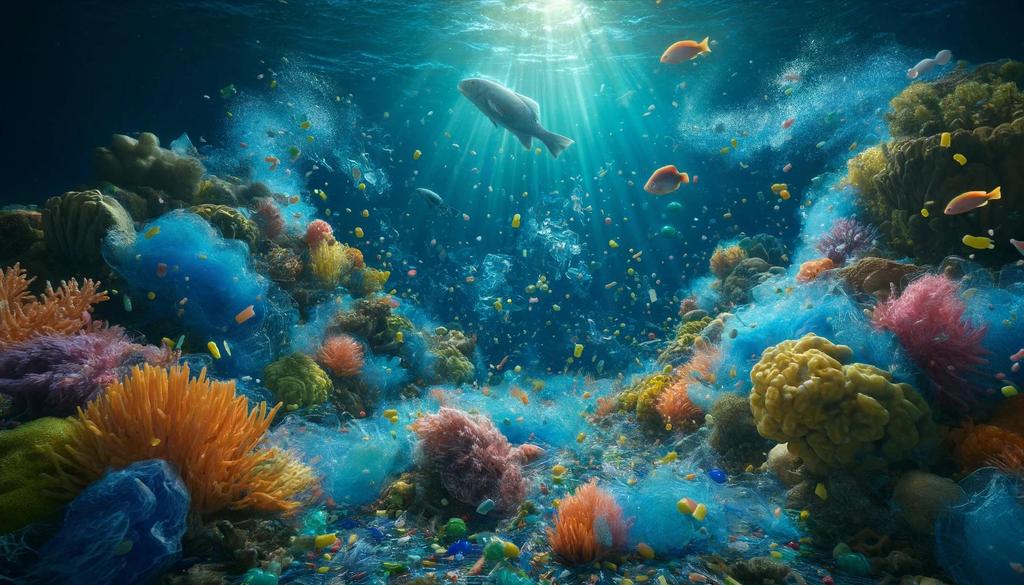
The most well-known danger of microplastics is their ingestion by marine life. These tiny plastic particles are often mistaken for food by aquatic animals, such as fish, turtles, and birds. Once ingested, the microplastics can cause blockages in their digestive systems or release toxic chemicals into their bodies. This can lead to malnutrition, organ damage, and even death.
With an estimated 8 million tons of plastic entering our oceans every year, the risk of ingestion by marine life continues to increase and threatens their survival. However, there are companies addressing the microplastics problem, such as using sustainable materials for packaging and developing biodegradable alternatives to plastic products. It is important for individuals to reduce their use of disposable plastics to help protect marine life.
Contamination of Food Chain
The ingestion of microplastics by marine life not only poses a direct threat to sea creatures but also impacts the entire food chain. When smaller marine organisms consume microplastics, they may, in turn, be consumed by larger predators, passing on the plastic particles and any associated toxins. This can ultimately lead to contamination of seafood that humans consume, causing potential health risks.
Microplastics have also been found in other food sources, such as salt and drinking water, further highlighting the widespread contamination of our planet and food chain. This highlights the urgent need to reduce plastic pollution and properly dispose of plastics in order to protect not only marine life but also our own health.
Harm to Marine Ecosystems
Microplastics not only harm individual marine animals, but they also have a damaging effect on entire ecosystems. These tiny particles can accumulate in large numbers and disrupt the balance of the marine environment. For example, microplastics can block sunlight from reaching underwater plants, affecting their growth and survival. They can also transport invasive species to new habitats, leading to further disruption and damage.
The health of marine ecosystems is crucial for the survival of various species and for maintaining a healthy planet. By reducing the use of disposable plastics, we can help protect these fragile ecosystems and prevent further damage from microplastics.

Release of Toxic Chemicals
Microplastics pose a physical threat to marine life and release toxic chemicals into the environment. Many plastics contain harmful additives, such as phthalates and bisphenol-A (BPA), which can leach out of the particles and contaminate the surrounding water. These chemicals can negatively impact marine animals and potentially enter our food chain.
Moreover, microplastics also act as sponges for other pollutants present in the ocean, such as pesticides and industrial chemicals. This can further increase the toxicity of microplastics and have a detrimental effect on aquatic life. Ensure to properly dispose of plastic waste to prevent the release of these harmful chemicals into our environment.
Air Pollution
Microplastics are not just a concern for our oceans and marine life, but they also contribute to air pollution. As plastic products break down, they release microplastic particles into the air, which humans can then ingest through breathing. These particles have been found in high concentrations in urban areas and are known to cause respiratory problems.
Microplastics also contribute to the overall pollution of our air, with the production and transportation of plastic products releasing harmful emissions. By reducing our use of plastics, we can help improve air quality and protect both human health and the environment.
Human Health Risks
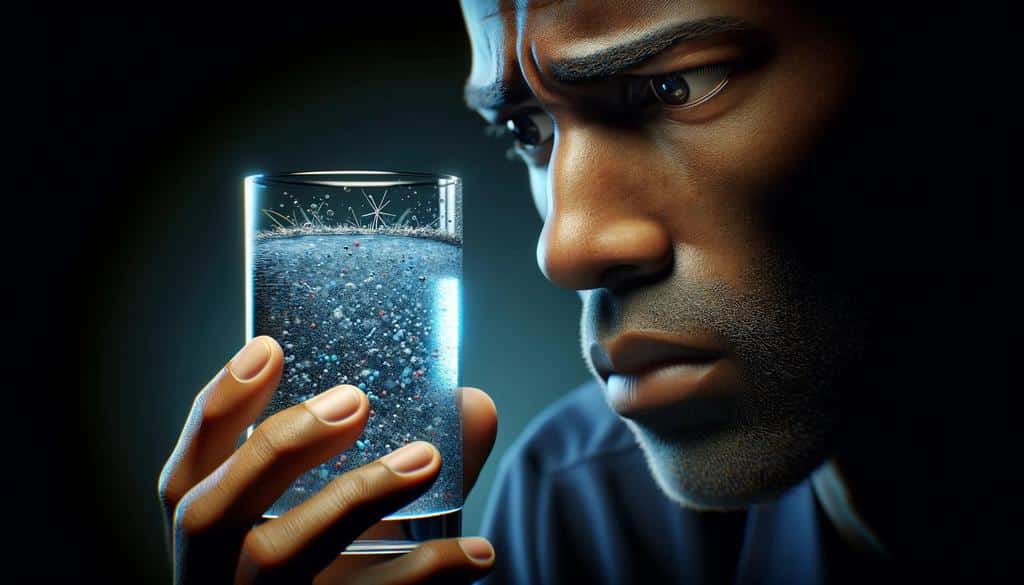
The dangers of microplastics also extend to human health. As mentioned earlier, microplastics can contaminate our food chain, potentially exposing us to harmful chemicals. Ingestion of these particles has been linked to various health issues, such as reproductive problems, autoimmune disorders, and even cancer.
Furthermore, the release of microplastics into the air can also have adverse effects on our respiratory system. Long-term exposure to these particles has been linked to respiratory diseases such as asthma and chronic bronchitis. Therefore, individuals need to reduce their use of disposable plastics to protect marine life and human health from the dangers of microplastics.
Impact on Wildlife
Microplastics not only harm marine life, but also have a detrimental effect on terrestrial wildlife. Animals such as birds and land mammals can easily mistake microplastics for food, leading to similar health issues as seen in marine animals. Moreover, plastic debris can entangle or choke wildlife, causing injury and death.
Additionally, the presence of microplastics in our environment also affects the habitats and behavior of wildlife. For example, birds can mistake microplastics for nesting material, leading to issues with reproduction. Addressing the issue of microplastics is crucial to protecting not only marine life but also the diverse range of animals that inhabit our planet.

Accumulation in the Environment
One of the biggest dangers of microplastics is their persistence in the environment. In a world where wood and paper gracefully return to the earth, plastics stubbornly resist nature’s recycling efforts. They repeatedly shatter into increasingly more minuscule fragments, stealthily infiltrating oceans, landfills, and even our bodies.
The accumulation of microplastics in the environment has far-reaching consequences for humans and wildlife. It impacts the health of living creatures and the overall health of our planet. By reducing our use of disposable plastics and properly disposing of them, we can help prevent further accumulation and mitigate the dangers posed by microplastics.
Invisible Menace: Understanding the Impact of Microplastics
Microplastics may seem small and insignificant, but their impact on the environment and our health is significant. From harming marine life to contaminating our food chain and contributing to air pollution, microplastics pose a multifaceted threat that requires immediate action. Individuals must reduce their use of disposable plastics and properly dispose of them to protect our oceans, wildlife, and, ultimately, ourselves. Working together to address the dangers of microplastics will lead us toward a cleaner, healthier, and more sustainable future.


