
T-bone accidents, also known as right-angle crashes, are a type of car accident in which the front of one vehicle collides with the side of another. These collisions are common at intersections. The potential for injury for the occupants of both vehicles is significant, especially if there is a size difference between the vehicles involved.
Suppose you are involved in such an accident. In that case, the services of a car accident attorney are essential to helping you get the compensation you deserve.
As a victim of a T-bone accident, you may experience one or more of the injuries listed in this article. Awareness of the injuries will help in understanding how serious T-bone accidents are.

Common Injuries Sustained Through a Side Impact
Whiplash
Whiplash is caused by the head snapping back and forth following a collision. This back-and-forth movement is most often connected with most car accidents.
The symptoms of whiplash include:
- Stiffness in the neck or shoulder
- Dizziness
- Discomfort in the arm
- Blurred vision
- Ringing in the ears
- Irritability
- Sleeplessness
- Memory problems
Seat Belt Injuries
Seatbelts have saved countless lives. Unfortunately, as the National Library of Medicine pointed out, they’ve also resulted in several injuries.
Individuals involved in a T-bone collision incur a series of injuries as a result of the seat belt’s severe strain on their body. Seat belt injuries include
- Damage to the neck arteries and vertebrae
- Lumbar spine fracture
- Thoracic injuries
- Skin abrasions due to the seat belt
Knee, Ankle, and Foot Injuries
When a frontal collision occurs, the contents of the engine compartment might be pushed backward and into the vehicle’s passenger compartment. It is usually felt as a collision between the front seat occupants’ knees and the dashboard, which destroys the kneecap or soft tissues.
In a T-bone collision, vehicle occupants may experience other lower extremity injuries, such as hip dislocations and foot and ankle fractures from abrupt braking.
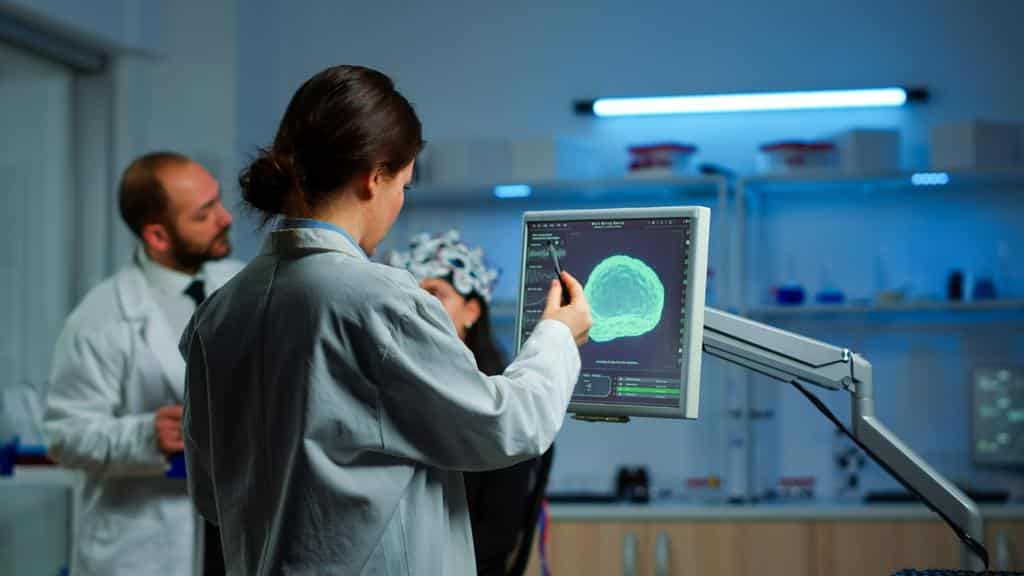
Traumatic Brain Injuries
Traumatic brain injuries can occur in a T-bone car accident. They are common in situations where an individual is not wearing a seatbelt and makes contact with the windshield or is thrown from the vehicle.
A traumatic brain injury occurs due to a quick impact or jolt to the head or body. These limitations usually result in the sufferer’s inability to earn a living or live alone.
The occupants that sustained a side impact commonly suffer the injuries listed below.
Crush Injuries
Crush injuries are caused when a body part is stuck between two objects. These injuries can cause significant bleeding or bruising and substantial damage to muscles, nerves, blood vessels, and skin tissues. In some situations, crush injuries might result in the amputation of a limb.
Neck or Back Injuries
When a car is side-swiped, seatbelted occupants are frequently injured to the neck and back as a result of their bodies being violently jerked. It can harm the tissues of the neck, as well as the vertebrae and discs of the spine. In the most severe circumstances, a person will sustain a spinal cord injury.
Internal Injuries
In a T-bone accident, the force produced by the seat belt or objects penetrating the occupant’s body can cause internal injuries. These injuries can cause severe blood loss or possibly the loss of the organ’s ability to operate.
T-bone accidents can result in severe organ damage and an increased risk of infection.
Conclusion
If you or a loved one has been injured in a T-bone car accident, it is critical to obtain legal representation so you can learn your rights and the potential compensation that follows.
Legal representation aside, it is important for car drivers to adhere to traffic rules and heed right-of-way laws to avoid accidents.

