
If you have a loved one who suffers from dementia, you’ll want to know of different ways in which you can help the individual. One thing that could have a positive effect is music. Listening to music, playing music, and singing can all have positive effects.
As you may know, dementia causes people to experience memory loss. It can also impair their ability to think and make decisions concerning everyday activities. Alzheimer’s disease is the most common form of dementia.
So, let’s dig a little deeper to find out more.
Music and Memory
Music and memory are known to be powerfully connected. Listening to music helps to light up emotional memories, as we all surely know. After all, we listen to songs that spark powerful memories, such as our first kisses or wedding days.
In fact, scientific studies show that listening to music reaches the parts of our brains that other things cannot. So, music can help people with dementia to remember certain things from their past.
Also, studies have shown that people with dementia who listen to music regularly can reduce symptoms like anxiety and depression. Music can also improve speech and language. Listening to and performing music helps to reactivate brain areas associated with speech, emotion, reasoning, and memory.
Studies have also shown that singing can improve the moods, behaviors, and cognitive functions of some people with dementia. So, there’s little doubt that music has the potential to help people who have dementia.

Unfamiliar Music Can Be Just as Helpful as Familiar Music
While music that is familiar to people with dementia can potentially help them to form memories associated with that music, studies have shown that music doesn’t have to be recognizable to the person with dementia for it to help improve cognitive function. Nor does anyone with dementia need to have any formal knowledge of music or be musically inclined to respond to music in a positive way.
Many Organizations Use Music to Help People with Dementia
Many organizations now use music to help people with dementia. For example, therapists and allied health professionals often use music to enhance the benefits of their interventions. Some occupational therapists advise, train, and mentor support workers and care staff to use both music and singing to help people with dementia to reminisce.
Playing Musical Instruments Later in Life May Help to Prevent Dementia
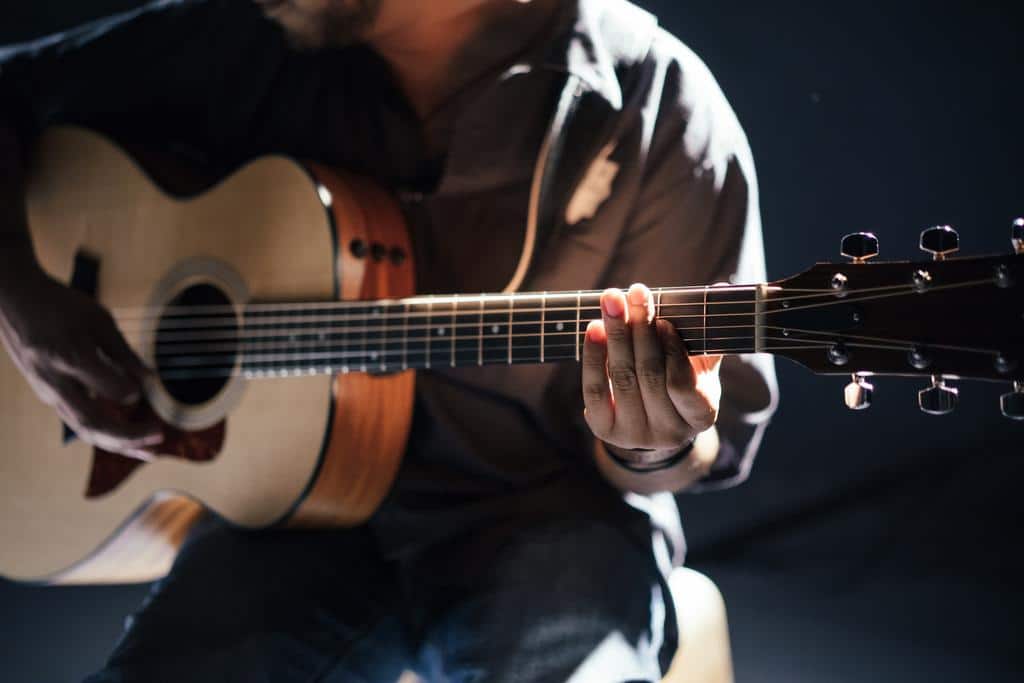
Studies show that learning to play a musical instrument later in life can help prevent the onset of dementia. That’s because learning to play musical instruments can improve cognitive and fine motor skills.
In fact, one study found that learning to play an instrument later in life means people are a third less likely to develop dementia. Therefore, playing music can be a preventive method as well as a tool for helping people who have dementia.
Getting Help
If you have a loved one who is experiencing dementia, music could help. You can try listening to music together, singing together, and encouraging your loved one to take up a musical instrument to help them improve their signs of dementia.
But you should also seek professional help. After testing for dementia to ensure the person has the condition, speak to medical professionals about how music therapy could assist.
It could be more than worthwhile to encourage your loved one with dementia to attend music therapy sessions. Also, if your loved one is moving into a nursing home, make sure that they have plenty of access to music.
Final Thoughts
While there is no cure for dementia, a loved one experiencing the symptoms of dementia may benefit from music. So, encourage the individual to listen to more music and sing. Your loved one might even like to learn how to play a musical instrument.


