
Invoicing may not be the most exciting aspect of running a business, but it is certainly one of the most important. After all, invoicing is how you get paid for your hard work. However, many businesses struggle with inefficient or ineffective invoicing practices that can ultimately hurt their bottom line. That’s the reason why this article shares top tips and tricks for improving your invoicing practices.
From streamlining the process to ensuring timely payments, we’ll cover everything you need to know to master the art of invoicing. Whether you are an experienced business owner or just beginning your entrepreneurial journey, these tips can help you avoid common invoicing mistakes. They will also ensure your cash flow remains robust.

Use a Professional Invoice Template
Having a professional invoice template is essential for creating a good first impression with your clients. It reflects the professionalism of your business and helps ensure accuracy and consistency in your invoicing. Choose a clean and simple design that includes all the necessary information, such as your business name and contact details, client information, detailed descriptions of services or products, payment terms, and due dates.
You can use online invoicing tools or customize a template that aligns with your brand. On various online resources, you can see more detailed information on the available options and how to create a professional invoice template. A well-crafted invoice enhances your professional image. It also simplifies the process for your clients, leading to quicker and more efficient payments.
Include Detailed Descriptions of Services
One of the most common invoicing mistakes is not providing enough information about the services or products provided. This can lead to confusion and delays in payment processing. On your invoice, include detailed descriptions of each service or product, including quantity, price per unit, applicable taxes or fees, and the total amount due. Details help your clients understand what they are paying for and serve as a record in case of any disputes.
You can also consider including a breakdown of the tasks or items in your service or product so your clients clearly understand the value they are receiving. This informed tactic will improve invoicing flow and strengthen the trust and communication with your clients.

Set Clear Payment Terms and Due Dates
Clearly defining your payment terms and due dates on your invoices is crucial for prompt payment processing. This includes specifying the acceptable payment methods, such as bank transfer, credit card, or PayPal, and any applicable fees or surcharges.
Make sure to also include a reasonable due date for both parties, taking into consideration factors like project timelines and client payment cycles. To avoid late payments, you can set up automated reminders for approaching due dates. Clearly outlining your payment terms and deadlines will help you get paid on time and foster a transparent and professional relationship with your clients.
Offer Multiple Payment Options
In the digital era, providing various payment options is crucial to meeting your clients’ preferences. This should encompass traditional methods such as bank transfers, checks, and online payment options like credit cards and PayPal.
Providing multiple payment options makes it easier for your clients to pay their invoices and shows that you are willing to adapt to their needs. Consider providing early payment discounts or incentives for using certain payment methods to promote timely payments. By offering various payment options, you can accommodate more clients and enhance your cash flow.

Send Invoices Promptly
Promptly sending invoices is key to maintaining a steady cash flow for your business. Delayed invoicing prolongs the time it takes to receive payment and disrupts your financial planning. Establish a consistent invoicing schedule, whether weekly or bi-weekly, to ensure payments are received on time.
Utilize online invoicing tools to create and send invoices quickly, such as a small business invoice template. Online tools not only save time but also minimize errors and delays. Prompt invoicing ensures your clients receive their bills quickly, allowing for faster payment processing. Consequently, this streamlines and improves your business’s invoicing process.
Follow Up on Overdue Payments
Despite your best efforts, there may be times when clients miss payment deadlines. In these situations, it’s important to follow up promptly and professionally. Start with a friendly reminder email or phone call, stating the amount due and the new deadline for payment.
If the payment has not been received, consider sending a formal letter or hiring a collections agency. It may also be helpful to review your invoicing and payment processes to identify any potential issues that could have contributed to the late payment. Consistent follow-up on overdue payments will help you maintain strong cash flow and ensure that your hard work is properly compensated.
Track Invoices and Payments Using Accounting Software
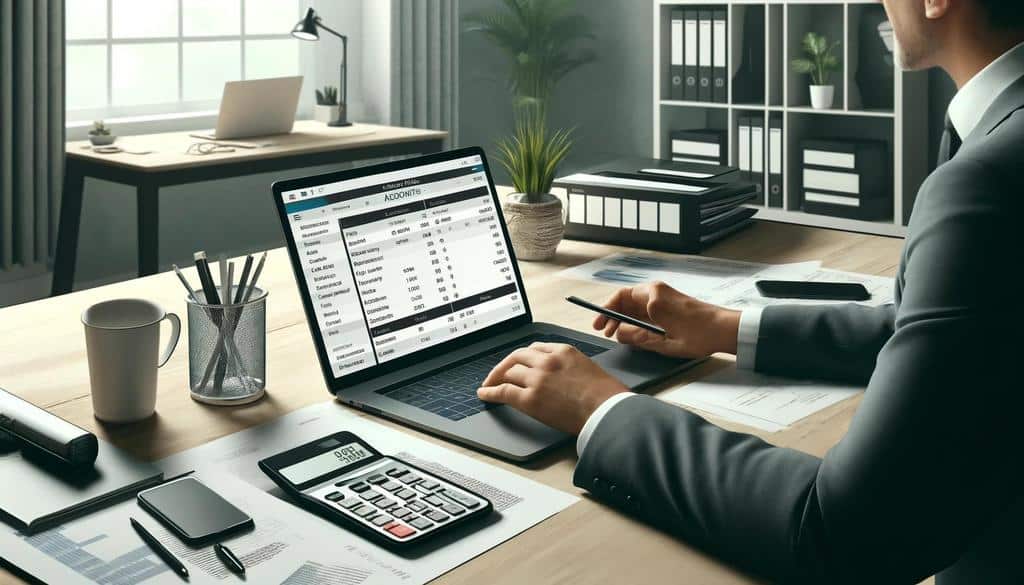
Managing all your invoices and payments can become increasingly challenging, particularly as your business expands. That’s where accounting software comes in. With the help of online tools like QuickBooks, Freshbooks, or Xero, you can easily create and manage invoices, track payments, and generate reports for your financial records.
This not only streamlines your invoicing process but also helps you keep a close eye on your cash flow and identify any discrepancies or outstanding payments. You can also integrate these tools with your bank account for seamless payment processing. Investing in accounting software will save you time and effort in the long run, allowing you to focus on growing your business.
Regularly Review and Update Your Invoicing Processes
Lastly, it’s important to regularly review and update your invoicing processes to ensure they are efficient and effective. As your business evolves, you may need to make adjustments to accommodate changing needs or address any recurring issues.
Consider scheduling a quarterly or annual review of your invoicing practices and identify areas for improvement. Collect feedback from clients regarding their experience with your invoicing and payment processes. Use this input to make necessary adjustments. By regularly reviewing and updating these processes, you can stay organized, maintain strong client relationships, and improve your cash flow.

Streamline Invoicing for Timely Payments and Improved Cash Flow
Invoicing is a vital part of any business. By adopting these tips, you can enhance your invoicing practices to ensure timely payments and sustain a healthy cash flow. Employ professional invoice templates and regularly review and update your processes. Implementing these strategies will benefit your business and reinforce client relationships.
With efficient invoicing practices, you can concentrate on growing your business. Begin applying these tips today and observe their positive impact on your invoicing process.


