
Most men prescribed Viagra or generic sildenafil are given a straightforward instruction: take it about an hour before sexual activity. What they are rarely told is that the window for sildenafil timing—the time between taking the tablet and the medication working—is far more variable than that guidance implies, and that a single meal eaten beforehand can shift that window considerably.
This gap between patient expectation and pharmacological reality is one of the most common, and most preventable, reasons men conclude that sildenafil has not worked for them. According to official prescribing information, while the drug is typically effective within an hour, various physiological factors can alter this timeline.
The Meal That Quietly Delays Everything
Sildenafil (the active ingredient in Viagra) is absorbed in the small intestine, which means it can only begin working once the stomach has emptied its contents. In a fasted state, the medication reaches peak plasma concentration in roughly 30 to 60 minutes. After a high-fat meal, that window extends substantially.
Pharmacokinetic research published in the British Journal of Clinical Pharmacology found that a high-fat meal delayed the mean time to peak plasma concentration by around one hour and reduced peak drug levels by approximately 29% compared to the fasted state. A separate study examining an orodispersible formulation found the delay in peak concentration was closer to 90 minutes under high-fat fed conditions, with peak levels reduced by around 45%.
In practical terms, this means that a man who takes Viagra after a large meal, waits an hour as instructed, and then concludes the medication has not worked may simply be waiting in the wrong window entirely. The drug may still be absorbed and effective, but the peak effect may not arrive for two to three hours after dosing rather than one.
This is the timing myth at the heart of most unexplained sildenafil failures: not that the drug has not worked, but that the patient stopped waiting before it had fully arrived.
What Counts as a High-Fat Meal
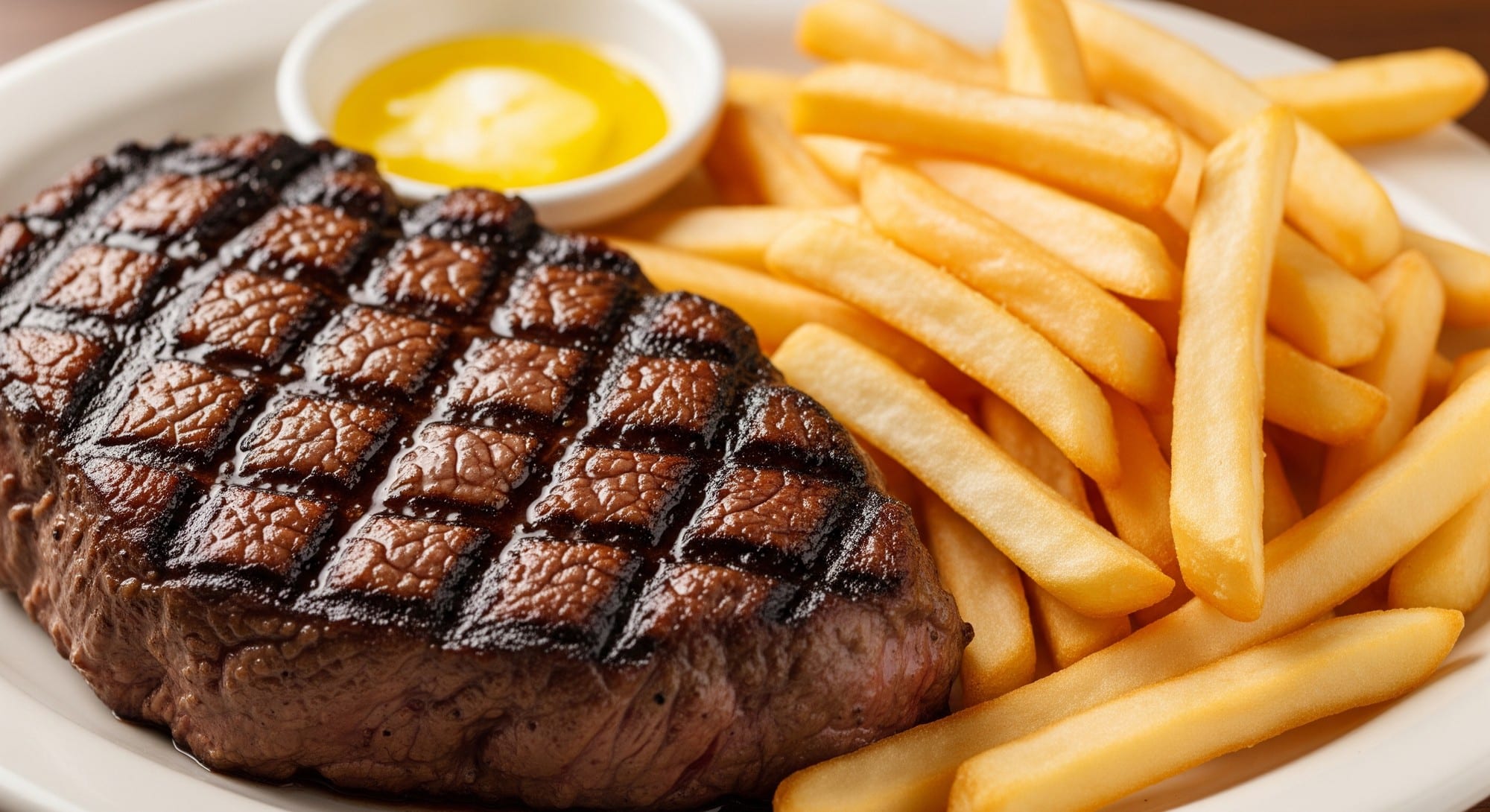
The research that established these delays used standardised high-fat, high-calorie test meals, but the practical implication is broader. A restaurant dinner, a takeaway, a full Sunday roast – these all fit the profile. The fat content, not the total volume, is the relevant variable. High-fat food slows gastric emptying, which is the direct mechanism behind the delayed absorption of Viagra and sildenafil.
A light meal, by contrast, has a comparatively modest effect on absorption. Patients who are concerned about timing should eat lightly if they anticipate needing the medication within 60 to 90 minutes, or alternatively, allow two to three hours after a substantial meal before expecting it to reach full effect.
The Alcohol Interaction Patients Underestimate
Alcohol compounds the timing problem in a different way. Both sildenafil and alcohol cause vasodilation, which means taking them together increases the risk of a pronounced drop in blood pressure, producing dizziness, headache, flushing, and lightheadedness. In a subset of patients, this effect is uncomfortable enough to disrupt the occasion entirely.
More commonly, alcohol in moderate to high quantities undermines the erection independently of the medication. Alcohol is a central nervous system depressant that impairs the neurological signals required to initiate and maintain an erection. Viagra works by enhancing blood flow in response to sexual arousal; it does not generate arousal or override neurological inhibition. If alcohol has suppressed the arousal response, the medication has less to work with.
A glass of wine is unlikely to cause significant difficulty for most men. Several drinks are enough to meaningfully reduce the probability of the medication performing as expected, and attributing that outcome to sildenafil rather than the alcohol is a very common misunderstanding.
The Duration Window Is Longer Than Most Patients Realise
A separate and equally common misconception works in the other direction: many men believe Viagra must be taken within 30 minutes of activity and that timing it beyond that window is a mistake. In fact, sildenafil maintains a meaningful clinical effect for up to four to five hours from the point of dosing, with peak effect occurring between one and two hours in the fasted state.
This is a more forgiving window than patients are often led to believe, particularly for couples who want to approach intimacy naturally rather than watching the clock.
As Ana Carolina Goncalves, Superintendent Pharmacist at Pharmica, a UK-regulated online pharmacy, explains:
“One of the most consistent patterns we see when patients report that sildenafil has not worked is that the circumstances of taking it do not match the conditions under which it performs best. A heavy meal immediately beforehand, a few drinks, or expecting results within fifteen minutes when the tablet was taken after food – these are the practical factors that explain most perceived treatment failures. We routinely advise patients to take Viagra on a light or empty stomach, to allow enough time, and to understand that the medication needs arousal to work; it does not create it. When those conditions are met, the clinical evidence is clear and well-established.”
The Sexual Arousal Requirement
This last point deserves emphasis because it is consistently underappreciated. Sildenafil is a phosphodiesterase type 5 inhibitor: it works by preventing the breakdown of a compound that relaxes smooth muscle in the penis, allowing blood flow to increase in response to arousal. The word “in response” matters.
Without adequate sexual stimulation, Viagra will not produce an erection. The drug enhances the physiological response to arousal; it does not initiate arousal independently. Patients who take the medication and wait passively, without physical or psychological stimulation, may find it appears not to be working when, in fact, the pharmacological conditions for an erection simply have not been met.
This is particularly relevant when anxiety or other sexual health issues are a contributing factor. Performance anxiety can inhibit the arousal response directly, and in that scenario, sildenafil cannot fully compensate.H
Practical Steps for Patients
For men using Viagra or sildenafil, the following adjustments can significantly reduce the likelihood of perceived treatment failure.
Timing after food: If a substantial meal has been eaten, allow two to three hours before expecting the medication to reach peak effect. After a light meal or on an empty stomach, 30 to 60 minutes is a more reliable guide.
Alcohol: Keep consumption to a minimum. One or two drinks is unlikely to cause difficulty for most men, but moderate to heavy alcohol consumption reduces the probability of treatment success independently of the medication.
Stimulation: Sildenafil requires sexual arousal to work. Plan for physical and psychological engagement rather than passive waiting.
Dose and timing: If previous attempts have felt as though Viagra acted later or less strongly than expected, that pattern may reflect consistent food interactions rather than a dosing issue. A prescribing pharmacist or clinician can help assess whether the timing and conditions have been optimal.
Patients who want to understand the full range of factors that affect treatment outcomes can find detailed prescribing information and clinical guidance on Viagra from regulated medical resources and pharmacies.

The Takeaway
Sildenafil is a well-evidenced treatment with a strong clinical record. The majority of unexplained failures are not pharmacological: they are behavioural and circumstantial. A heavy meal, alcohol, insufficient time, or an absence of meaningful arousal are enough to undermine what is, under the right conditions, a reliably effective medication.
Understanding the pharmacokinetics of what you take – not just the instruction to take it – is what closes the gap between expectation and outcome.


