
A group of scientists analyzed data from 652 cities, in 24 countries, on six continents, over the course of 30 years and found that particulate pollution was linked to higher death rates even when it fell within international recommended limits. It is the largest international study on the short-term impacts of air pollution on death conducted to date. The findings prompted the experts to urge the World Health Organization (WHO) to lower the level deemed acceptable in its guidelines.

Fine particle pollution is created by car exhausts, industry, and household products. The data from particle pollution the scientists studied showed death rates from cardiovascular and respiratory illness rose on days with higher levels. In other words, on days when air pollution is high, more people die. The observational study has been published in the New England Journal of Medicine.
These effects occurred even when pollution was well below WHO guidelines, which the UK government has proposed incorporating into law. The limits set by the European Union are significantly higher, meaning significantly more dangerous. Newer modelling of what meeting the WHO air quality guidelines could achieve across 136 countries suggests the prize for tightening those targets runs into millions of preventable deaths each year.
Chris Griffiths, of Queen Mary University of London, who was not involved in the study, said:
“These are avoidable deaths. Most concerning is that deaths relating to pollution occur at levels below international recommended pollution limits. The authors provide the strongest evidence yet that target air pollution levels are too high.”
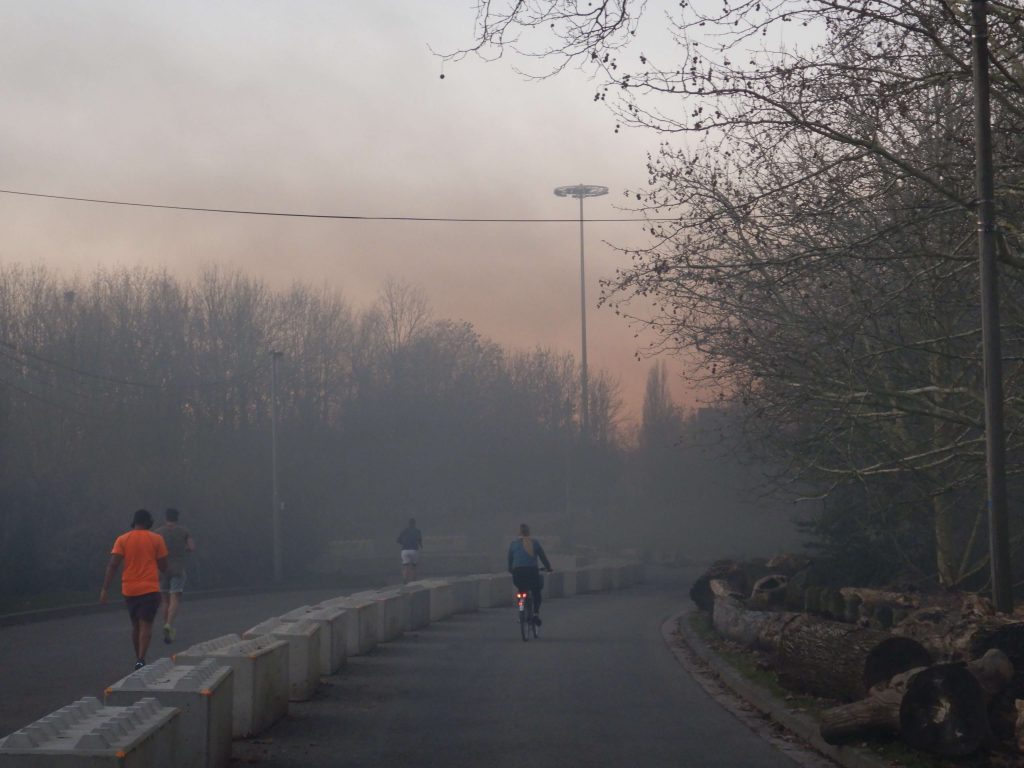
Fine particles known as PM2.5—which are less than 2.5 micrometers in diameter, about a thirtieth the width of a human hair—are of particular concern. They are so minuscule that they can travel deep into the lungs and into the bloodstream.
For every 10 micrograms increase in PM2.5 pollution per cubic meter of air, there was an almost 1% rise in deaths from all causes. The study also found that deaths from respiratory illnesses increased by a similar amount, and deaths from cardiovascular disease rose by about half as much. Overall, rising levels of air pollution increase the chances that people will die early.
1% may not seem like a lot, but in reference to the global population, it’s still millions of people. “If we’re looking at a population of one million people in a city, well, 1% is significant, and it can affect a lot of people,” Eric Lavigne, a co-author of the study, said.
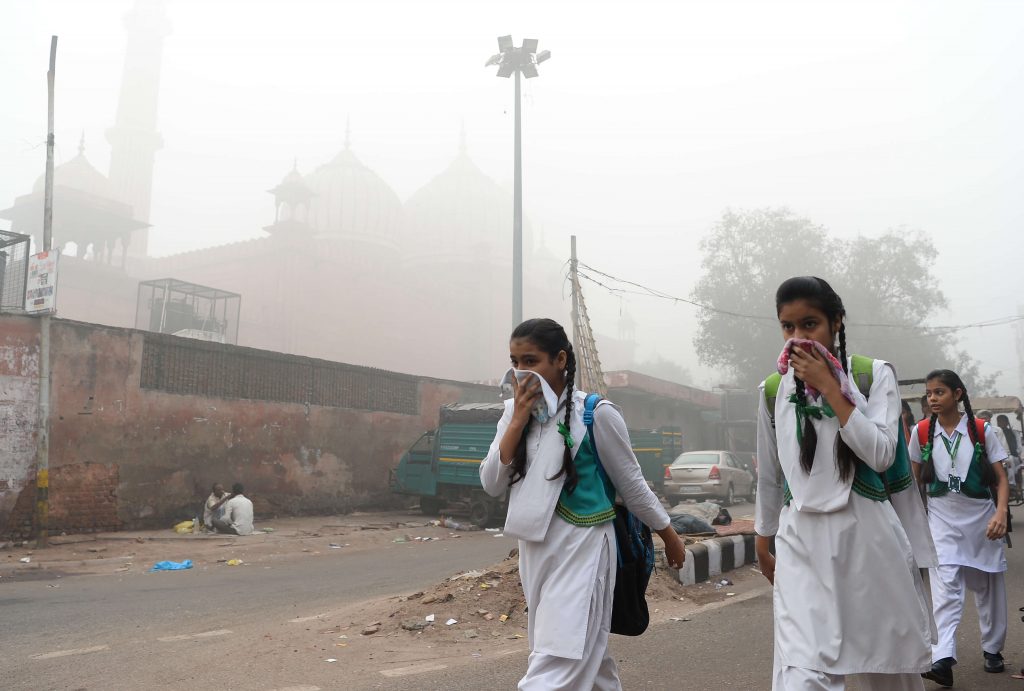
Since the study was observational, it does not necessarily prove that air pollution made people unwell. Nevertheless, it does add to a growing body of research linking dirty air and ill health.


