
With four-fifths of our planet’s forests vanished and the decline accelerating, the urgency of environmental awareness has never been more pronounced. This stark reminder of the crucial need for widespread adoption of eco-friendly practices to safeguard our planet’s future is now. The time to act decisively and shift towards sustainable living practices is now, as each action contributes to preserving our precious natural resources.
Fortunately, practicing eco-consciousness doesn’t always require monumental efforts. From minimizing plastic waste to saving energy, we can take numerous practical steps to minimize our carbon footprint and make the planet healthier. In this article, we’ll explore 10 easy-to-implement eco-friendly lifestyle hacks that offer simple solutions for individuals to impact the environment positively.

1. Reuse Shopping Bags
It’s common knowledge that single-use plastic bags majorly contribute to environmental pollution. Making a simple switch to reusable shopping bags significantly impacts the environment. By investing in reusable bags made from durable materials like canvas or recycled plastics, you reduce plastic waste and help conserve resources.
Keeping reusable bags handy is important to remind you to use them during shopping trips. Stash them in your car, by the door, or in your everyday carry bag to be readily accessible when needed. Establishing this habit makes it easier to refuse single-use plastic bags offered at stores, ultimately reducing your ecological footprint.
2. Reduce Meat Consumption
The detrimental impact of the livestock industry, as highlighted by the United Nations Food and Agricultural Organization, cannot be overstated. This sector contributes significantly to greenhouse gas emissions, primarily through methane from animal digestion and carbon dioxide from deforestation for pastureland. Limiting meat consumption, with a particular focus on reducing beef intake, is an effective way for individuals to reduce their carbon footprint.
Choosing plant-based alternatives or incorporating more meatless meals into one’s diet not only supports personal health but also contributes to a healthier planet for future generations. Add meatless meals, such as plant-based burgers, stir-fries, or hearty salads, to your weekly menu. Initiatives like Meatless Mondays provide a structured approach to reducing meat consumption and exploring delicious vegetarian and vegan recipes.

3. Use Energy-Efficient Appliances
Household appliances are responsible for a significant part of energy consumption in homes. When upgrading your appliances, look for the ENERGY STAR label. This means they meet stringent energy efficiency standards the Environmental Protection Agency (EPA) set.
These appliances provide the same performance with less energy, lower electricity usage, and reduced greenhouse gas emissions. From air conditioners to refrigerators, ENERGY STAR certified options are available for virtually every appliance in your home. Investing in these appliances benefits the environment and promotes long-term cost savings through reduced energy bills.
4. Unplug Electronics
With so many electronic devices used, it’s easy to overlook the energy they consume even when turned off. This phenomenon, known as standby or vampire power, contributes to unnecessary energy waste and higher electricity bills. Combatting this issue requires a simple yet effective solution: unplugging electronics when they’re not in use.
Get into the habit of unplugging chargers, small appliances, and electronic devices like TVs and computers when you’re not actively using them. Even in standby mode, these devices draw power, adding to your household’s energy consumption. To streamline this process, consider using power strips with built-in switches. You can easily cut power to all of them at once with the flip of a switch, preventing phantom energy usage and saving energy and money in the long run.
5. Learn Composting
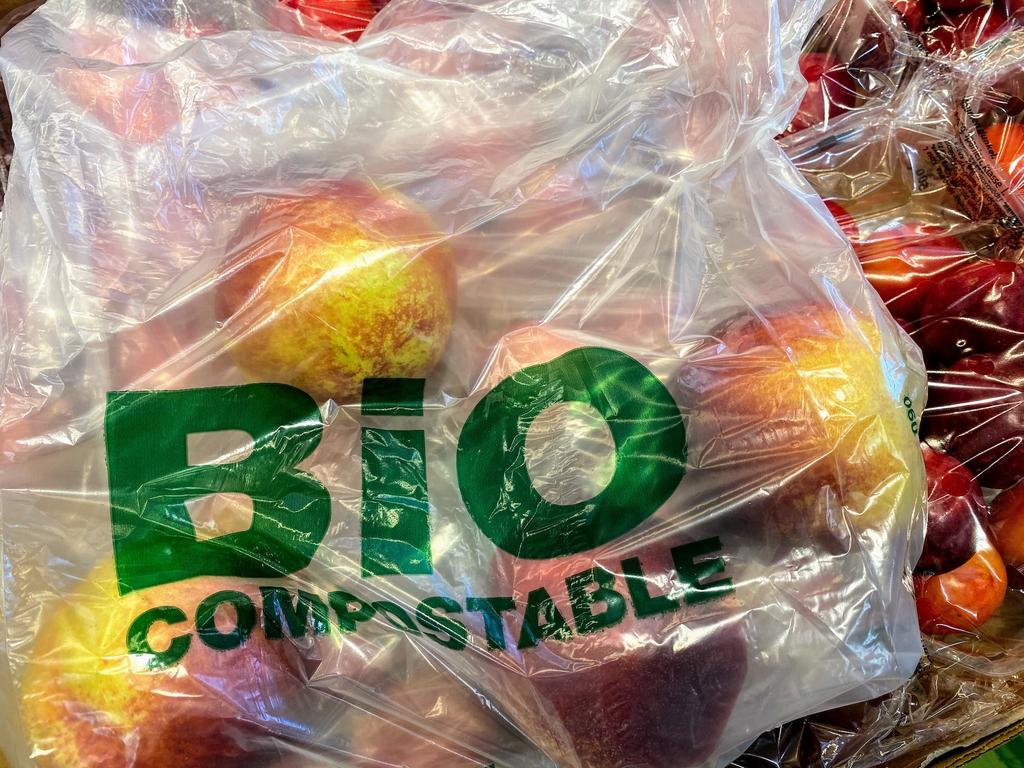
Transforming organic waste through composting diminishes our environmental footprint and enriches the soil, providing a nutrient-dense boost for your garden and plants. This sustainable practice embodies nature’s cycle of renewal, offering a harmonious relationship between waste reduction and soil vitality. Embracing composting is a harmonious step towards sustainable living, bridging the gap between waste management and soil health.
Set up a compost bin or pile in a small space on your balcony or backyard. Collect kitchen scraps such as coffee grounds, eggshells, peels, and even leaves and grass clippings. Layer these materials in your compost bin, alternating between green (nitrogen-rich) and brown (carbon-rich) materials to create a balanced compost pile.
With the right mix of time, moisture, aeration, and periodic turning, microorganisms work their magic, breaking organic material into nourishing compost. This resulting dark, crumbly substance becomes a valuable asset for fortifying garden soil, enhancing plant development, and fostering overall soil well-being. The transformation of organic waste into nutrient-rich compost not only benefits your garden’s ecosystem but also aligns beautifully with sustainable gardening principles, promoting a healthier environment for future growth.

6. Conserve Water
Water stands as a fundamental pillar of environmental sustainability, crucial not just for ecosystem balance but also for cost-effective resource utilization. Regrettably, approximately 10 percent of this precious resource is squandered globally, highlighting a critical need for heightened conservation efforts. Embracing efficient water management practices preserves this vital resource and contributes significantly to long-term sustainability goals and financial savings.
The good news is there are many simple yet effective ways to reduce water usage daily. To prevent water wastage, start by fixing faucets, toilets, and irrigation system leaks. Water-saving devices, such as low-flow showerheads and faucet aerators, along with choosing sustainable products like recycled toilet paper, can significantly reduce water consumption. By raising awareness about water conservation and implementing practical strategies, we can collectively reduce waste and safeguard this invaluable resource for future generations.

7. Explore Transportation Alternatives
Finding alternatives to traditional fossil fuel-powered vehicles is crucial for reducing environmental impact. Fortunately, there are several eco-friendly transportation options that individuals can explore to minimize their carbon footprint.
When feasible, opt for walking or biking as your mode of transportation. Not only does this reduce emissions, but it also promotes physical activity and improves personal health. Consider walking or biking for short trips to nearby destinations, such as grocery stores, parks, or local cafes.
Carpooling with friends, family, or coworkers is another effective way to reduce the number of vehicles on the road and share transportation costs. Coordinate carpool schedules and routes to maximize efficiency and convenience for all participants.
Using public transportation such as trains and buses can also go a long way in helping the environment. This produces fewer emissions per passenger than individual cars, making it a more sustainable option for commuting and traveling within cities or regions.
You can also consider choosing an electric or fuel-efficient car. Fuel-efficient vehicles consume less gasoline and produce fewer emissions, while electric vehicles (EVs) run on electricity and have zero tailpipe emissions. As EV technology advances and charging infrastructure expands, electric vehicles become increasingly accessible and environmentally friendly alternatives to traditional gasoline-powered cars.

8. Use Digital Banking
Embrace the convenience and sustainability of digital banking by transitioning away from traditional paper-based banking services. By opting for digital banking, you save paper and waste production.
A good step is to open a bank account with no account fees, such as the one provided by SoFi, to enjoy the benefits of modern banking while promoting environmental stewardship. With digital banking, you can conveniently manage your finances, make payments, and monitor transactions from your home or mobile device.
9. Practice BYOB (Bring Your Own Bottle)
Single-use plastic bottles contribute to pollution and environmental degradation, posing significant threats to ecosystems and wildlife. By adopting the BYOB (Bring Your Own Bottle) practice, you can minimize plastic waste and promote sustainability in your daily life.
Choose a bottle that suits your lifestyle and preferences, whether insulated to keep beverages cold or compact for easy portability. There are high-quality reusable water bottles made from stainless steel and other durable materials.
Instead of buying single-use plastic bottles, fill your reusable water bottle with tap water from home or public water stations. Tap water is safe, affordable, and readily available in most urban areas, making it a convenient and sustainable alternative to bottled water.

10. Switch to Renewable Energy
Transitioning to renewable energy sources reduces dependence on fossil fuels. Solar, wind, and hydropower can help individuals lower their carbon footprint and support a more sustainable energy future.
Solar photovoltaic (PV) systems, when used in your home, can convert sunlight into electricity, reducing reliance on grid-supplied electricity and lowering utility bills. Many governments and organizations offer incentives, rebates, and financing options to help homeowners have access to solar power.
Also, explore the possibility of having a small wind turbine to harness wind energy for electricity generation. Wind turbines can be particularly effective in rural or coastal areas with consistent wind patterns, providing a reliable renewable energy source to power homes and businesses. Many utility companies now offer green energy programs that let customers purchase renewable energy credits (RECs) or subscribe to community solar projects.
Every Eco-Conscious Lifestyle Choice Counts
As we navigate the path toward a greener future, each eco-conscious choice we make plays a significant role in shaping the world we pass on to the next generation. By incorporating simple yet impactful eco-friendly lifestyle hacks into our daily routines, we not only reduce our carbon footprint but also inspire positive change on a global scale.
From composting kitchen scraps to embracing digital banking and opting for renewable energy sources, every small action contributes to a larger movement towards environmental sustainability. Let’s continue to explore ways to tread lightly on the planet, advocating for a more harmonious relationship with nature and fostering a healthier world for all. Together, our collective efforts pave the way for a brighter, greener future filled with promise and possibility.


