
Picture this: a city filled with lush green parks, vibrant flower beds, and tree-lined streets. Not only do these spaces offer beautiful scenery, but they also provide numerous practical benefits.
Sustainable landscaping is transforming urban environments by incorporating nature in ways that improve daily life. From enhancing air quality to boosting biodiversity, these practices create healthier cities for residents and wildlife alike.
Dive into the key benefits of sustainable landscaping for cities and discover how green initiatives can lead to more resilient and enjoyable urban spaces.
Sustainable Landscaping: 5 Benefits for Urban Environments
1. Improved Air Quality
Sustainable landscaping offers numerous advantages, especially concerning air quality. Urban areas can significantly reduce air pollutants by integrating various trees, shrubs, and other plants. These plants play a crucial role in the natural process of photosynthesis, where they absorb carbon dioxide and release oxygen. This process is vital for enhancing overall air quality in cities.
Furthermore, vegetation effectively captures dust, smoke, and other airborne particles. These pollutants often contribute to smog and can lead to respiratory issues. Urban green spaces serve as natural air purifiers, creating healthier environments for the community.
In addition to purifying the air, the shade trees provide helps to cool the surrounding area. This cooling effect is essential in combating heat islands commonly developing in dense urban settings. An improvement in air quality not only contributes to fewer health problems but also enhances the overall quality of life for residents.
Embracing sustainable landscaping practices is a practical approach to advancing urban health and fostering a more livable environment. In summary, improved air quality through effective landscaping leads to a healthier, more sustainable urban life.

2. Economic Benefits
Embracing sustainable landscaping can lead to economic advantages for cities. One of the key benefits is the reduction in long-term maintenance costs. Natural landscapes, with their focus on native plants and efficient water use, need less upkeep compared to conventional lawns.
Over time, this can save significant funds on tasks like irrigation, lawn mowing, or line striping and removal in New Jersey’s urban areas. Additionally, attractive green spaces are known to boost property values. Well-maintained parks and gardens make neighborhoods more appealing, encouraging investment and tourism.
They also create jobs in gardening and landscape management, further contributing to local economies while promoting a healthier environment.
3. Increased Biodiversity
Sustainable landscaping plays a crucial role in fostering increased biodiversity within urban areas. Utilizing native plants effectively attracts various wildlife species, including beneficial insects, birds, and small mammals. Native vegetation offers essential resources that support local ecosystems. These plants provide food, shelter, and vital nesting sites for various wildlife to thrive.
Creating diverse habitats fosters a rich environment that encourages ecological balance. Layers of plants, ranging from groundcovers to shrubs and trees, enhance the habitat’s complexity. This variety attracts a wider array of species and promotes biodiversity within the landscape.
Incorporating native plants into landscaping contributes significantly to local wildlife conservation efforts. The result is a vibrant ecosystem that benefits both nature and the community. Prioritizing native vegetation is key in supporting healthy habitats and sustaining diverse wildlife populations.
A biodiverse landscape not only enhances the visual appeal of a city but also contributes to ecological resilience. The presence of various species helps control pests naturally, reducing the need for chemical pesticides.
Additionally, biodiversity supports pollinators like bees and butterflies, essential for maintaining healthy plant populations. In turn, this creates a more balanced and thriving urban environment.

4. Energy Savings
Sustainable landscaping can lead to significant energy savings for urban areas. Strategically placing trees and shrubs around buildings offers shade during hot summer months, naturally cooling interiors and reducing the need for air conditioning. This alone can cut cooling costs.
In the winter, evergreen plants serve as windbreaks, minimizing heat loss from buildings and lowering heating expenses. Beyond immediate cost savings, these practices also reduce energy consumption, contributing to a city’s overall sustainability goals.
Making informed planting choices contributes to creating attractive green spaces while offering significant long-term financial advantages. Individuals can reduce utility bills and decrease energy consumption over time by selecting the right plants.
Strategically placed trees and shrubs provide shade, which lowers indoor temperatures and minimizes the need for air conditioning. This natural cooling effect reduces energy usage, resulting in lower energy costs. Additionally, these green spaces enhance property value, creating a favorable return on investment.
Incorporating energy-efficient landscaping practices leads to both environmental and economic benefits. Individuals can foster sustainable living by prioritizing smart planting strategies while achieving cost savings. Adopting these practices supports a healthy ecosystem and promotes financial well-being.
5. Enhanced Water Management
Sustainable landscaping offers tremendous benefits in water management, which is crucial for cities facing water scarcity or heavy rainfall. When you incorporate native plants adapted to local climates, you can significantly cut down on irrigation needs.
These plants are resilient and require less frequent watering, conserving valuable resources. Sustainable designs often include features like rain gardens and permeable pavements that help manage stormwater runoff effectively.
These elements allow water to infiltrate the ground naturally, reducing the burden on drainage systems and mitigating flood risks. These strategies create a more efficient and eco-friendly approach to urban water management, ensuring you are protecting the environment.
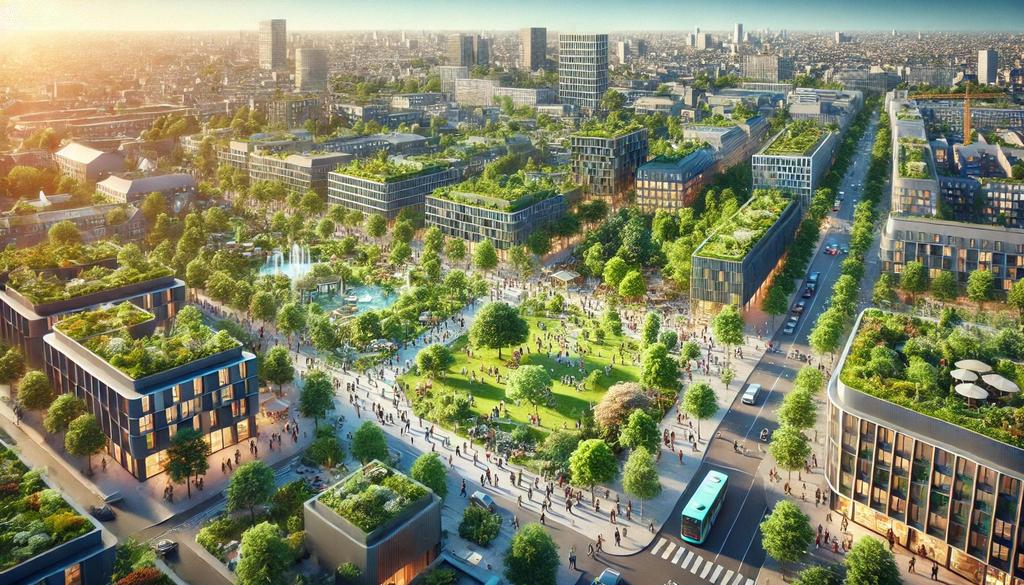
Impact of Sustainable Landscaping on Urban Environments
Sustainable landscaping significantly benefits cities by creating greener and healthier urban spaces. Advocating for these practices leads to substantial improvements in air quality, water management, and biodiversity within the community.
Homeowners, policymakers, and community members all play vital roles in fostering these changes. Simple actions, such as planting native species or participating in local sustainability initiatives, can profoundly impact. These efforts contribute to cleaner air and promote effective water management strategies while enhancing urban biodiversity.
Collective action is essential to transforming cities into eco-friendly havens that serve the needs of all residents. Engaging with local initiatives empowers individuals and promotes a community-focused approach to sustainability. By becoming part of the movement, individuals contribute to creating vibrant urban environments that improve the overall quality of life for everyone involved.

