
While construction industry updates may not always make headlines, you’re likely to notice the changes around your neighbourhood. Though sites still feature hard hats and rubble, a closer look reveals the significant shifts from just a few decades ago.
So, how exactly is the construction industry changing?
To put it simply, the industry is now focusing on three key areas: achieving sustainability goals, creating cost-effective builds, and integrating technology.
This shift is evident in material procurement, as contractors increasingly demand recycled or green aggregate over conventional materials from local aggregate suppliers. Similarly, developers are prioritising the recycling of demolition waste rather than sending it to a landfill.
Developers are also required to prioritise worker safety, a crucial step in reducing on-site fatalities and accidents. This is why quality welfare units for hire have become important, with facilities such as toilets, drinking water, and a space to eat and rest. Such access to safe and hygienic facilities, once not a standard, has now become an essential component of modern construction sites.
These are just a few of the innovative ways the industry is evolving; let’s explore the latest trends reshaping the future of construction.
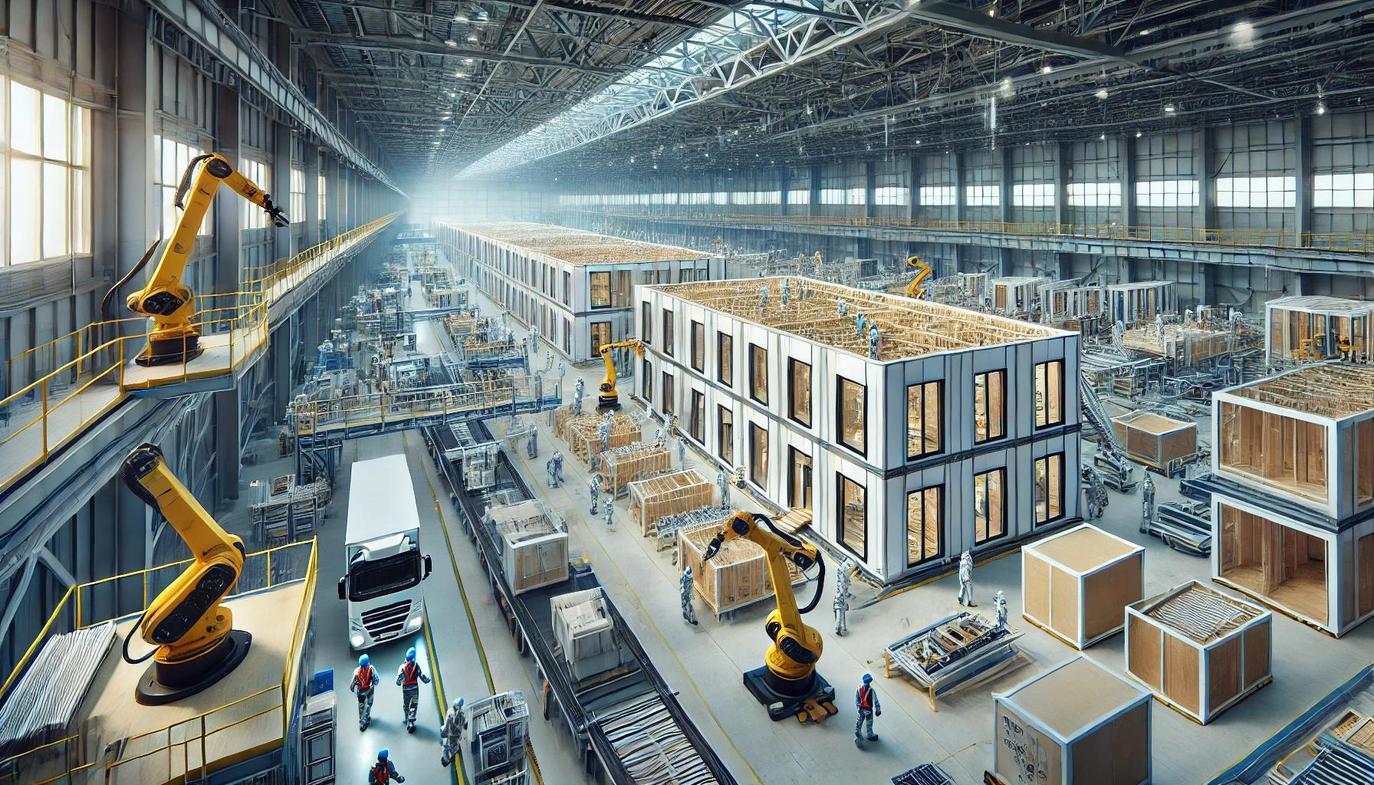
1. The Rise of Off-Site and Modular Construction
Off-site construction has grown in popularity, especially for modular buildings and prefabricated parts. This approach improves quality control, reduces waste, and saves time. As a result, it is redefining how we approach building logistics. In addition to this, working in a controlled environment helps avoid delays caused by weather or labour shortages.
2. A Greater Push for Sustainable and Green Materials
The construction industry’s significant carbon footprint is driving the shift toward green building as the way of the future. Innovations such as low-carbon cement, aggregates made from recycled debris, and sustainably sourced materials like timber are driving sustainability forward. As the availability of these sustainable alternatives increases, so does the demand for them.
Sustainability efforts can be enhanced by using locally sourced raw materials. This approach supports the local economy while reducing the carbon footprint associated with long-distance transportation.
3. Smarter Digital Twins: Revolutionising Project Management
Digital Twins, which are virtual replicas of buildings or construction sites, have evolved from novelties to essential tools on construction sites. These models are updated in real time, allowing project managers to monitor progress and predict potential issues. They also enable engineers and construction managers to run simulations of various outcomes before making critical decisions.
In 2025, an increasing number of developers are relying on this technology to maintain a bird’s-eye view of their projects while future-proofing their plans.
4. AI-Powered Smart Site Monitoring for Enhanced Security
Modern tech is changing how construction sites are secured and monitored. Motion detectors and access control systems help prevent theft, ensure safety compliance, and support adherence to environmental guidelines, which is especially important on high-profile, large-scale projects.
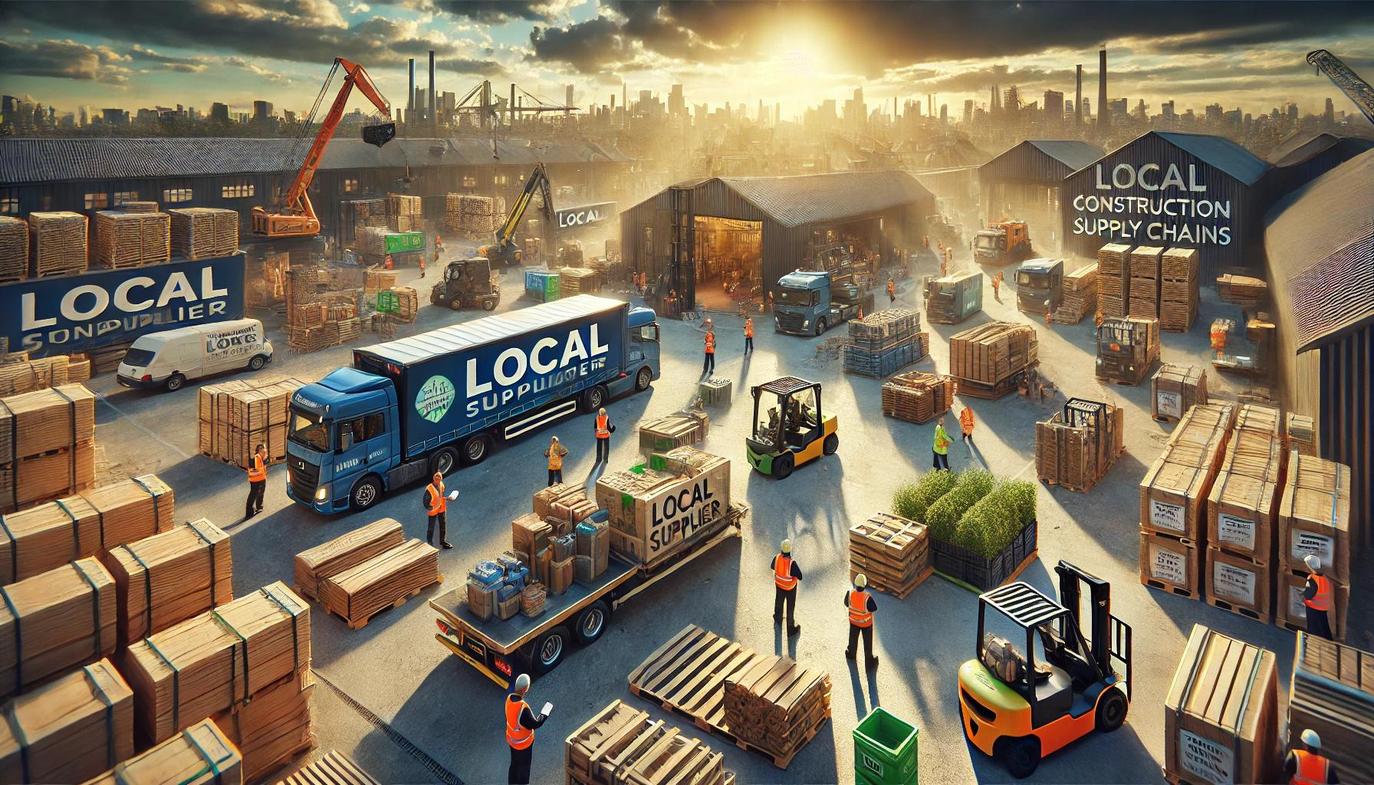
5. The Growing Demand for Localised and Resilient Supply Chains
The UK construction industry has been forced to rethink its procurement practices after the disruption in the global supply chain due to the ongoing Ukraine-Russia war and the China-USA trade standoff.
The industry is now actively shifting to local suppliers who can provide consistent quality and faster delivery times over their foreign counterparts. Ultimately, this shift benefits everyone involved, from developers and contractors to clients, by creating a more dependable and efficient procurement ecosystem.
6. An Enhanced Focus on Worker Mental Health and Wellbeing
The conversation about mental health in the construction industry has become critically important. Given the demanding nature of manual labour, workers are prone to high levels of burnout and work-related stress.
Fortunately, this issue is now being recognised by key decision-makers at a larger level, which has helped in addressing the problem more effectively.
In response, construction companies and site managers are introducing mental health policies, setting up confidential support lines, and enhancing welfare provisions. These steps aim to create healthier, more supportive work environments across the industry.
7. The Emergence of Electric Plant and Equipment
There is a growing push for net-zero construction practices, and manufacturers are working on more electric-powered machinery and equipment. This includes everything from mini diggers to telehandlers. While this equipment may have a higher initial cost, it delivers significant long-term savings through reduced fuel consumption and lower emissions.
This innovation also helps in carrying out urban projects where noise and emissions are tightly monitored and regulated.
8. A Renewed Focus on Circular Construction and Waste Reduction
About 60% of the total waste in the UK can be attributed to construction-related debris and material. By adopting circular construction methods, these materials can be reused or repurposed instead of being discarded after a single use and dumped into landfills. This trend also connects to broader ESG (Environmental, Social, and Governance) targets that many construction firms now have to report on.
Circular construction aims to keep these materials in use for as long as possible. This approach reduces soil, water, and air pollution while also preserving depleting natural reserves.
Embracing the Future of the Construction Industry
The construction sector is rapidly moving beyond its traditional foundations, driven by a wave of innovation focused on efficiency, sustainability, and safety. The trends shaping this evolution—from off-site manufacturing and green materials to Digital Twins and circular construction—are not merely passing fads but fundamental shifts in how projects are designed, managed, and executed. For companies of all sizes, adapting to these changes is no longer optional but essential for long-term viability and success.
By embracing these advanced trends, construction firms can enhance project quality, reduce their environmental impact, and create safer, more supportive work environments. This forward-thinking approach allows both industry giants and smaller players to not only stay competitive but also to set new standards for a more resilient, profitable, and sustainable future.
Frequently Asked Questions
What is the biggest driver behind the push for sustainable materials?
The primary driver is the construction industry’s significant carbon footprint. There is a growing global demand for green building practices to reduce environmental impact, leading to innovations like low-carbon cement and the use of recycled materials.
How do Digital Twins help prevent issues on a construction site?
Digital Twins are virtual replicas of a physical project that are updated in real-time. They allow project managers to monitor progress, run simulations of different scenarios, and predict potential problems before they occur, leading to better decision-making and fewer costly errors.
Why are localised supply chains becoming more important in the UK?
Recent global disruptions have highlighted the vulnerabilities of long-distance supply chains. Localised supply chains offer greater resilience, faster delivery times, and more consistent quality, creating a more dependable and efficient procurement ecosystem for the UK construction industry.


