
Minimalism is more than just a design trend; it’s a lifestyle that focuses on simplicity and intentional living. By incorporating minimalism into your home and life, you can reduce clutter, decrease stress, and focus on the things that truly matter. Whether you’re looking to create a more organized home or simplify your daily routines, adopting a minimalist mindset can help you live more purposefully. The great thing about minimalism is that it’s flexible—you can take small steps and adapt them to your needs and lifestyle.
In this article, we’ll explore eight simple and practical ways to incorporate minimalism into your home and life. From cleaning up your living spaces to streamlining your wardrobe, these tips will help you make intentional changes that lead to a simpler, more fulfilling lifestyle.
1. Declutter Your Living Spaces
One of the first steps toward minimalism is decluttering your home. Clutter not only takes up physical space but also creates mental chaos, making it harder to relax and focus. Start by going through each room and identifying items you no longer use or need. You can break this process down into smaller tasks to make it more manageable. For example, tackle one room or one category of items at a time, such as books, clothing, or kitchenware. The goal for this is to hopefully create a space where most items you own serve at least one important purpose. This can drastically make your home feel more open and peaceful.
2. Bathrooms
Bathrooms are often overlooked when it comes to decluttering, but they are one of the easiest spaces to simplify. Start by removing any expired or unused toiletries and organizing your essentials in a way that keeps countertops clear. A clean and organized bathroom can make your morning routine more efficient and enjoyable.
A replacement shower can instantly refresh the look of your bathroom, making it feel more modern and spacious. A new shower installation can make the space feel fresh and functional without requiring a major renovation. Keep the focus on essential items, such as a few high-quality towels and basic toiletries, to maintain a minimalist, calming environment.
3. Simplify Your Wardrobe
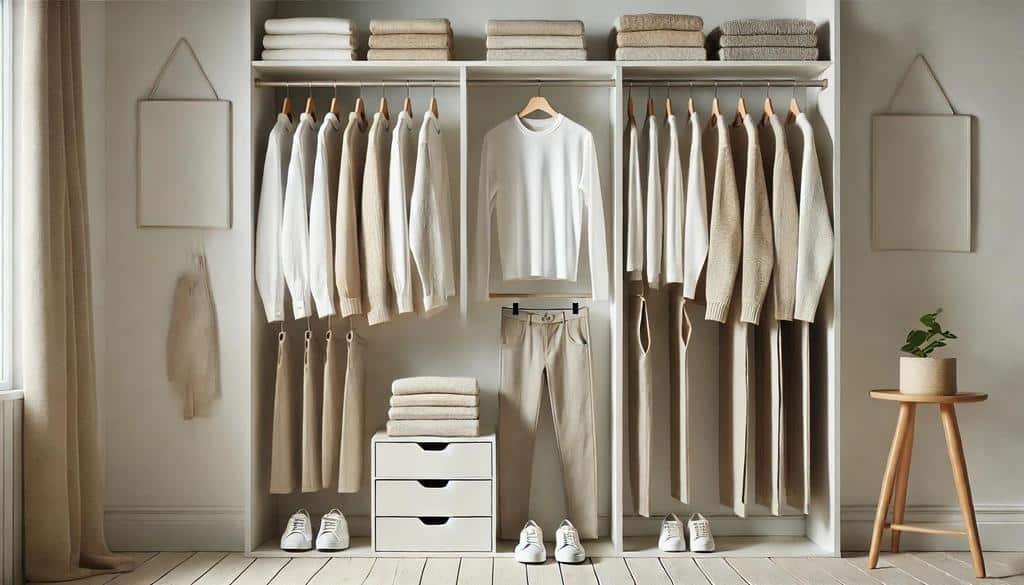
A minimalist wardrobe is one of the most rewarding aspects of adopting a simpler lifestyle. Instead of owning piles of clothes you rarely wear, aim for a capsule wardrobe, which is a smaller collection of versatile, high-quality pieces that you can mix and match. Start by going through your closet and removing items that no longer fit, are damaged, or haven’t been worn in over a year.
Focus on keeping clothes that are comfortable, timeless, and easy to style. A muslin top can be a key piece in your wardrobe, offering both comfort and style with its breathable fabric and timeless design. Neutral colors and basic pieces work well because they can be dressed up or down and paired with multiple outfits. Simplifying your wardrobe saves time in the morning, reduces decision fatigue, and makes you appreciate the clothes you love.
4. Create a Minimalist Kitchen
The kitchen is another space that can benefit from minimalism. A messy kitchen can make meal prep feel chaotic and stressful, while a streamlined kitchen makes cooking more enjoyable. Start by clearing out gadgets, appliances, and utensils that you rarely use. Keep only the essential items that serve a clear purpose and that you use regularly.
Organize your kitchen in a way that’s functional and efficient. Store items in drawers, cabinets, or on shelves to keep countertops clear. A minimalist kitchen promotes a cleaner, more peaceful cooking environment, helping you stay focused on preparing meals rather than dealing with unnecessary items on the counter.
5. Be Mindful of New Purchases
Minimalism isn’t just about cleaning up the space. It’s also about being mindful of what you bring into your home. Before making new purchases, ask yourself whether the item is truly necessary or if it adds value to your life. It’s easy to accumulate things we don’t really need, which leads to more mess over time.
A good rule to follow is the “one in, one out” method: every time you bring something new into your home, remove an old item. This helps maintain balance and prevents your space from becoming cluttered again.

6. Design with Simplicity
Minimalist design is all about simplicity, functionality, and creating a calm, open space. To incorporate minimalism into your home design, focus on clean lines, neutral colors, and natural light. Neutral tones like white, beige, or gray help create a soothing atmosphere, while simple, functional furniture keeps your space looking organized, clean, and purposeful.
When decorating, limit the number of items you display. Instead of covering your walls with too many pictures or filling shelves with knick-knacks, choose a few meaningful pieces of decor. Keep surfaces clear and avoid overloading your space with furniture or decorations. The goal is to create an environment that feels open and serene, with plenty of space to breathe and move around.
7. Embrace Minimalism in Your Schedule
Minimalism can also apply to how you spend your time. Many of us overfill our schedules with commitments and obligations, which leads to stress and burnout. By adopting a minimalist approach to your schedule, you can create more balance and leave room for the activities that truly bring you joy and fulfillment.
Start by reviewing your current commitments and eliminating anything that doesn’t align with your priorities. Learn to say no to obligations that don’t serve your long-term goals or well-being. By simplifying your schedule, you’ll have more time for self-care, hobbies, and spending quality time with loved ones. This approach helps you focus on what matters most and live a more intentional, less chaotic life.
8. Practice Gratitude
Minimalism encourages you to focus on what you already have rather than constantly seeking more. Practicing gratitude is a great way to shift your mindset toward appreciating the things, people, and experiences that truly matter.
Take time each day to reflect on what you’re grateful for. This can be as simple as writing down three things you appreciate each morning or keeping a gratitude journal. By focusing on gratitude, you’ll feel more content and less inclined to chase material possessions or pollute your life with unnecessary things. Gratitude helps cultivate a sense of abundance and fulfillment in everyday life, which is at the heart of minimalism.

8 Ways to Embrace Minimalism for a Simpler, More Fulfilling Lifestyle
Incorporating minimalism into your home and life offers countless benefits, from reducing stress to fostering a sense of clarity and purpose. By limiting clutter, being mindful of new purchases, and simplifying your schedule, you create space for the things that truly matter.
Minimalism isn’t about deprivation; it’s about focusing on what adds value to your life and letting go of the rest. As you begin to implement these strategies, you’ll find that minimalism helps you lead a more organized, fulfilled, and balanced life. Start with small steps, enjoy the process, and watch as your home and life become simpler and more meaningful.


