
Cab hailing is still a major mode of traveling, but rideshare services like Uber and Lyft are becoming more popular by the day. Indeed, at least 1 in 4 Americans admit to using rideshare services, especially in urban areas like the Bronx, for instance. These services promote social and cultural interconnection and reduce traffic congestion and DUIs.
That being said, accident liability is a major problem with rideshare services. What happens if you get into a rideshare vehicle accident? And who do you pursue for compensation? Here is a detailed guide to rideshare accident liability and compensation.
The rideshare accident liability and compensation process can be complicated, even for the average law enthusiast. If you ever get into an accident involving a rideshare car, get a rideshare accident lawyer to help. They will help you determine liability and seek fair compensation for your losses and injuries.
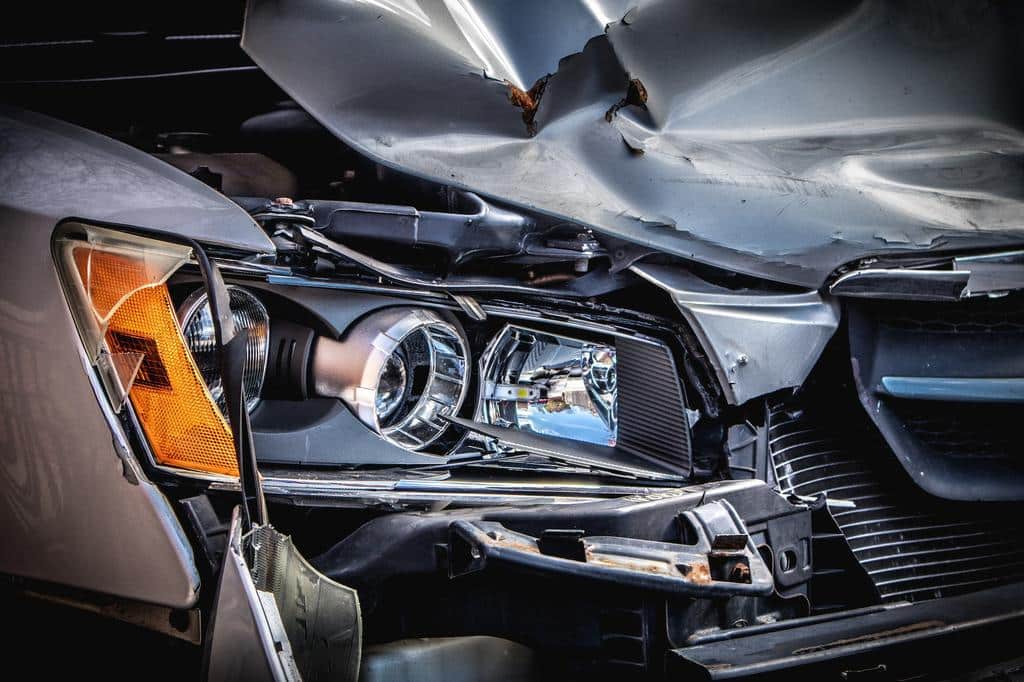
Who is Liable for a Rideshare Accident?
Rideshare accidents constitute civil liability just like any other car accident. However, they are unique because rideshare companies do not regard their drivers as employees. See, only cab companies consider their drivers as employees.
That means you could pursue a claim against the cab company if its driver was on the job at the time of your accident. However, things are different with rideshares since drivers are considered independent contractors/freelancers.
Technically, ridesharing companies do not consider themselves ‘cab companies’ but rather platforms to connect drivers and customers. Basically, they define themselves as marketplaces.
This makes things challenging for individuals injured in accidents involving rideshare cars. Companies are usually not on the hook for the actions of freelancers. This characteristic has allowed companies like Uber to refuse liability when their motorists cause accidents.
That said, the law still requires rideshare companies to hold some liability insurance protection for their drivers. Usually, these insurance policies are much larger than drivers’ insurance. For example, Uber maintains a million-dollar insurance policy.

How to Determine Liability in a Rideshare Accident
Determining liability in an accident involving a rideshare car requires investigation. A thorough investigation can reveal if the driver alone caused the accident or if other parties were involved. Above all, it will help establish timing and if the driver is insured. These details in a rideshare accident case are crucial for ensuring that the appropriate party is held accountable and that the victims receive proper compensation. See, while rideshare companies maintain substantial insurance policies, coverage depends on what the driver was doing at the time of the accident.
Using The Company App and Actively Driving a Passenger
The company is liable if an accident occurs when the rideshare driver is actively ferrying a passenger or on their way to pick up a ride request. In the case of Uber, the $1 million policy applies now. It covers the driver, the passenger, and third parties. However, if the company denies liability, the driver’s auto insurer may still deny coverage because the insured was using their vehicle as a rideshare.
Offline and Using Their Vehicle for Personal Business
When the rideshare driver is yet to sign into their company app or is using their car for personal business, the rideshare company denies any liability for the accidents they cause. The injured parties must deal with the vehicle operator’s policy.

Using The Company App and Actively Waiting for Passengers
When the rideshare driver is online, the company bears liability in some capacity. If the driver is online but has not received a request, you can contact their auto insurer first. However, ridesharing companies usually cover losses and damages in such cases.
For example, Uber will pay $50K-$100K per injury and up to $25K for damaged property. But this coverage only activates if the rideshare driver asks for it, and their personal liability policy needs to be revised for all the damages.
Uninsured or Underinsured Policies
Rideshare companies also carry underinsured/uninsured policies in case some of their drivers get into an accident and are underinsured or uninsured. For example, Uber maintains an additional $1 million policy for its underinsured or uninsured motorists.
Wrap-up
Rideshare accident liability and compensation are complex. Follow the standard procedures when you get into an accident involving a rideshare service. Get checked by a doctor, then consult relevant authorities and an excellent legal expert to help you through the claim process.
Like in other car accidents, you may be entitled to compensation for lost wages, medical bills, therapy costs, pain and suffering, etc. Use the contact information provided on law firms’ websites to schedule a free case review (if applicable) with an experienced taxi accident lawyer. They will help you navigate the entire process.

