
Microplastics are in our drinking water, in our food, in the bellies of sea creatures, and now even in the snow falling in the Arctic circle. These minuscule shreds of plastic are the result of larger pieces washing into the sea and being broken down by the forces of the ocean. This disaster of a situation is creating an almost immeasurable mass of microscopic waste that is proving incredibly hard to track.
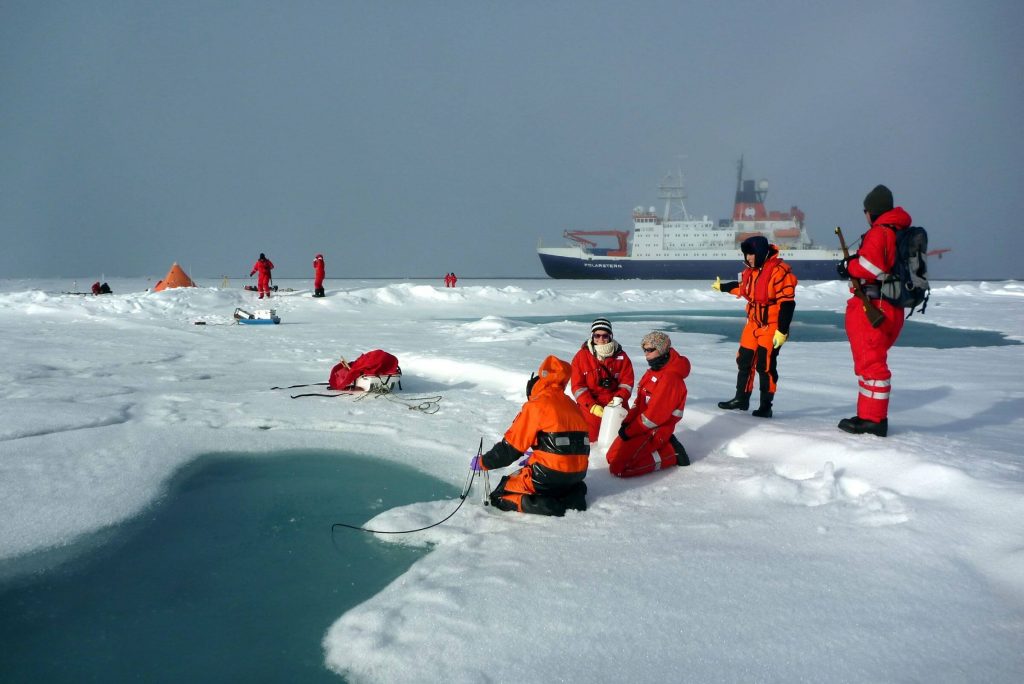
Back in 2014-2015, a team of scientists from Germany’s Alfred Wegener Institute (AWI) collected ice samples during Arctic expeditions. They analyzed them and then published the research which informs about the unexpected quantities of microplastics lodged in Arctic sea ice, revealing how the plastic is moving far and swiftly through the marine environment.
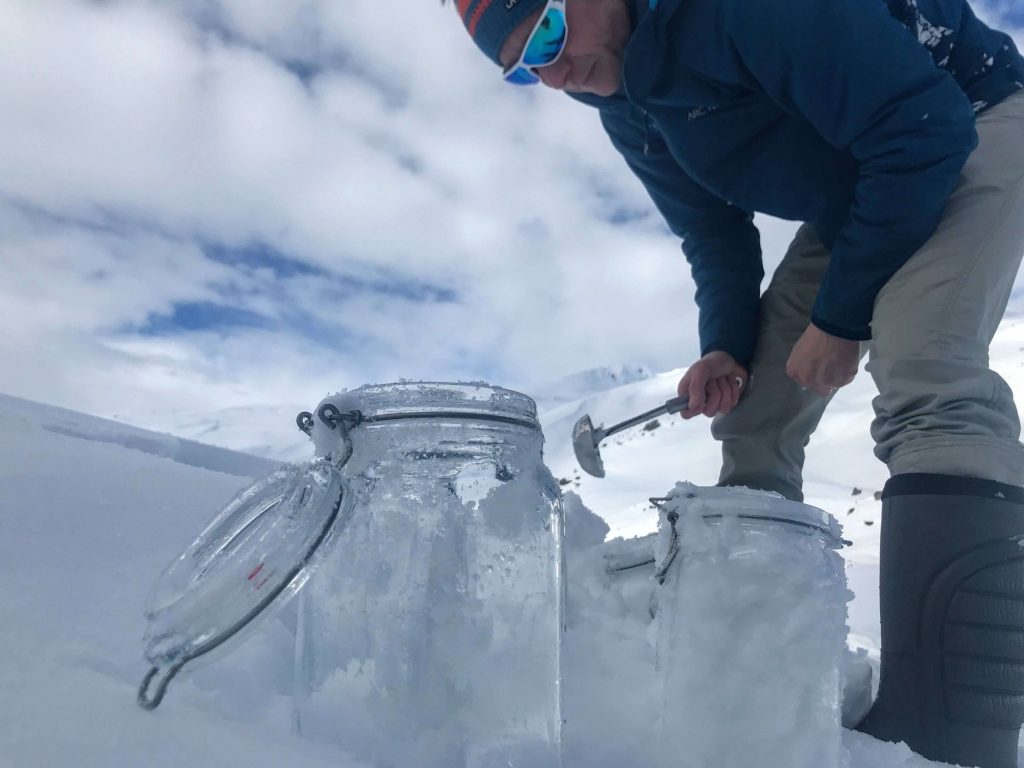
As a follow-up to that research, the institute has conducted another study that reveals these microplastics can take an aerial route too. This time, the round of analyses involved taking snow samples collected from remote reaches of the Arctic, along with other locations including the Swiss alps and remote parts of Germany. The new research was published in the journal Science Advances.
What they found was that the snow taken from the Arctic contained up to 14,400 pieces of microplastic per liter (0.26 gal), while samples collected in rural parts of Bavaria, Germany contained as much as 154,000 pieces. The plastic particles are primarily coming from sources including paints, car tires and nitrile rubber often used in gaskets and hoses.
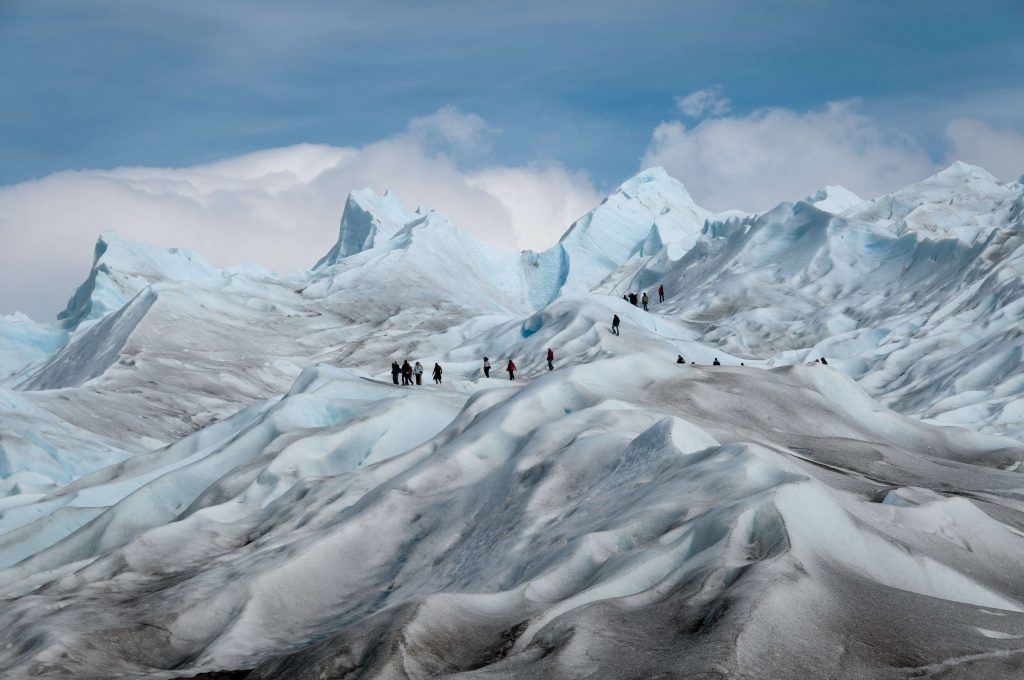
These findings tie into similar research published (in Nature Geoscience) by a different team of scientists in which they discovered that microplastics fine enough to become airborne had been transported via the atmosphere and blown into pristine, untouched corners of the French Pyrenees mountains. The study reveals how atmospheric travel can transport huge amounts of microplastics and cause plastic contamination in even the most remote of environments.

All these findings made the scientists wonder, ‘if microplastics can be so easily swept up and blown across the Earth, how much might we be breathing in?’ Which is why their next focus will be towards research that seeks to answer this question.
Melanie Bergmann, leader of the research team, said:
To date there are virtually no studies investigating the extent to which human beings are subject to microplastic contamination. But once we’ve determined that large quantities of microplastic can also be transported by the air, it naturally raises the question as to whether and how much plastic we’re inhaling. Older findings from medical research offer promising points of departure for work in this direction.
Even scientists not involved in the study are saying this research is very important for all of us. The findings had them very concerned with the wellbeing of pristine ecosystems and human health. Steve Allen, at the EcoLab research institute in France, said:
The work is very important because it strengthens the argument for much more stringent regulations on the plastics industry and forcing the governments of the world to address the issue of plastic pollution. With [microplastics] pouring into our environment, it is highly likely we will only find out the safe levels after we have exceeded them.


