
Light pollution now affects a quarter of the planet’s land surface. The falling cost of lighting and the expansion of human infrastructure is to blame. Human illumination is rising in range and intensity by approximately 2% every year. Biologists from the University of Exeter are comparing the problem to climate change. They say that artificial light should be treated like any other type of pollution because its impact on the natural world causes severe systemic disruptions.
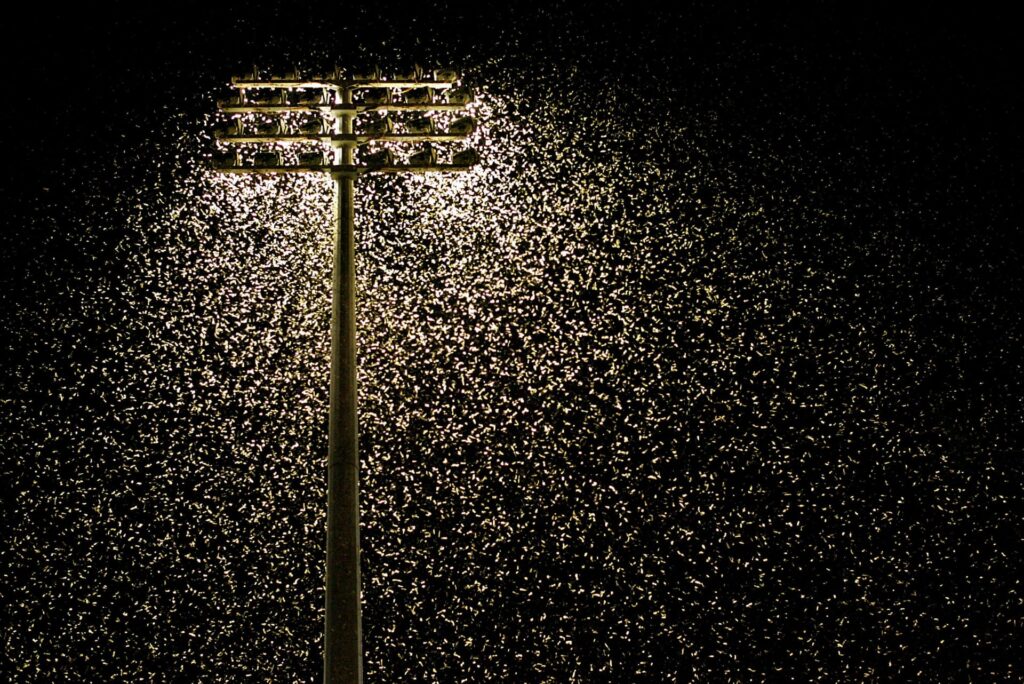
A broad range of species is suffering interruptions in their activity patterns, breeding cycles, hormone levels, and falling vulnerable to predators. Light pollution is being described as the bringer of the insect apocalypse because it’s causing rapid declines in insect populations. Many bugs fly to the light and burn to death on a hot bulb or get hit by cars when they fly towards their headlights.
Seabirds also fly towards light, flying into lighthouses to their death. Sea turtles mistakenly wander inland, mistaking streetlamps for the moon, and get run over by cars. Trees are budding earlier in the spring. The list goes on.
The Exeter biologists gathered 126 research papers relating to artificial light and nature to assess the impact and wrote a report on their analysis. They found that all the animal species reported on had reduced melatonin levels – a sleep-regulating hormone – caused by artificial light at night. All animals suffered from disturbing behavioral patterns as well. For example, birds began looking for worms earlier in the day, and rodents foraged for shorter periods.
While overall, the disruptions were harmful, there were a few oddball cases where certain species benefitted from night-time light. For example, some bats thrived, and some plants grew faster.
Kevin Gaston, the lead author and a professor at the university’s Environment and Sustainability Institute, said:
There has been an increase in studies in the past five to 10 years as the amount of lighting in the world has increased, and the effects become more evident. What stands out is how pervasive the effects are. The effects were found everywhere – microbes, invertebrates, animals, and plants. We need to start thinking about lighting in the way we think of other big systemic pressures like climate change.
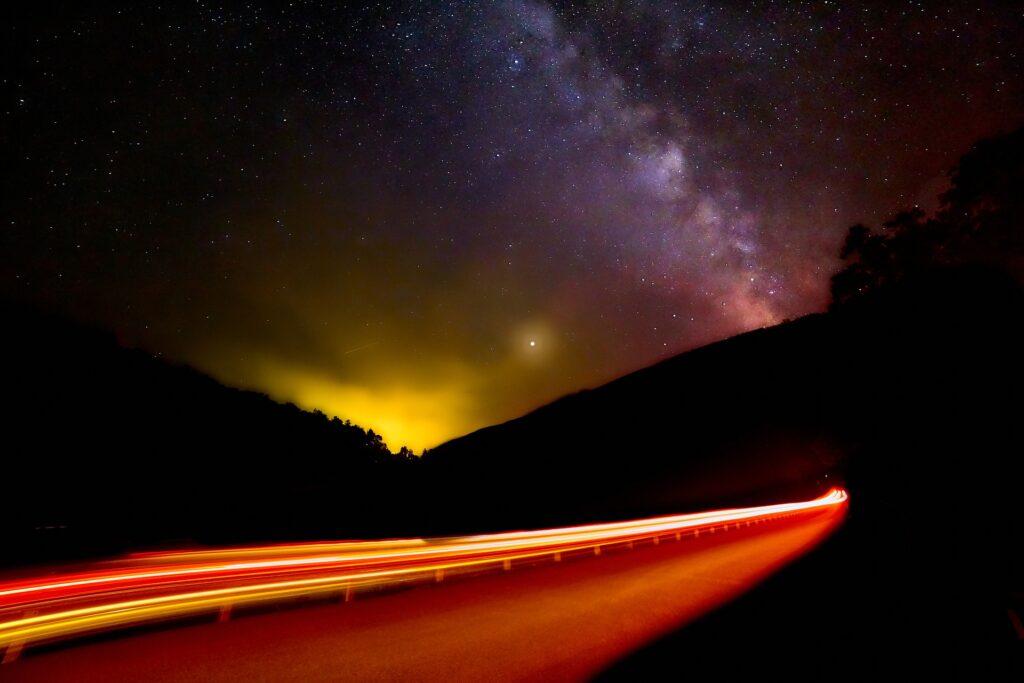
Gaston urges individuals, companies, and governments to be more critical of light pollution. He continued:
At the moment, we have the attitude that lighting is something we chuck out there and don’t think about it very much. But we need to think in terms of using it only when we need it, where we need it and how we need it. It is another pollutant.
At the heart of this is a deep-rooted human need to light up the night. We are still, in a sense, afraid of the dark. The ability to turn the night-time into something like the daytime is something we have pursued far beyond the necessity of doing so.
Solving the lighting problem is much easier than the climate crisis, and it would save money rather than cost money. All people have to do is use fewer lights – and when they do, they’ll save money and lower their carbon footprint.


