
Wasting trash is the same thing as wasting money! A report found that Australia makes only $4m a year from recycling, but it could be making over $300m if they treated it as the valuable resource that it is. The solution? To replace the current recycling system—which fails to do a good job due to contamination in co-mingled recycling bins—with a new world-class upgrade.
According to estimates in the report by EY, Australia could generate up to $328m worth of recyclable material each year if world-class recycling systems are implemented.
EY Climate Change and Sustainability Partner, Terence Jeyaretnam, said:
“We must start REALIZING and treating our waste as a tradeable commodity, like iron ore or gold, rather than just waste. The old way of sorting our waste is not the right fit for 21st century Australia. Not only does it lead to poor environmental outcomes, it’s preventing us from grasping an opportunity worth hundreds of millions per year.”
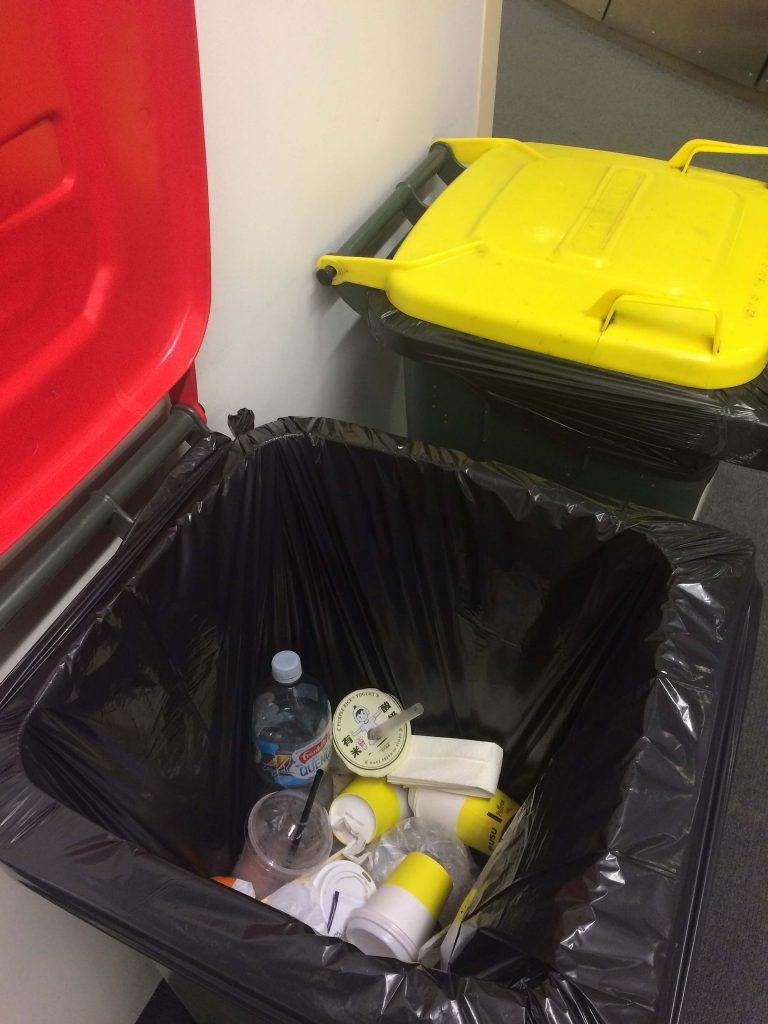
The main issue lies in how the current co-mingled method of recycling is prone to contamination. If things were sorted better, the problem would nearly be eliminated. The current situation results in the value of a typical curbside bin being reduced to as low as $2 a ton… But if the recycling were sorted better, the value could be raised to as much as $156 a ton, the report found.
How is this so? Let’s take a milk bottle, for example; a high-density polyethylene milk bottle collected as mixed plastic waste has a market value of $110 a ton; the market value for the same item but sorted as a clean bottle is $500 a ton.
The report says:
“Contamination rates in Australia average between four and 16% of collected recyclable material. These high contamination rates are a key reason why countries across Asia closed their doors to Australia’s waste.”
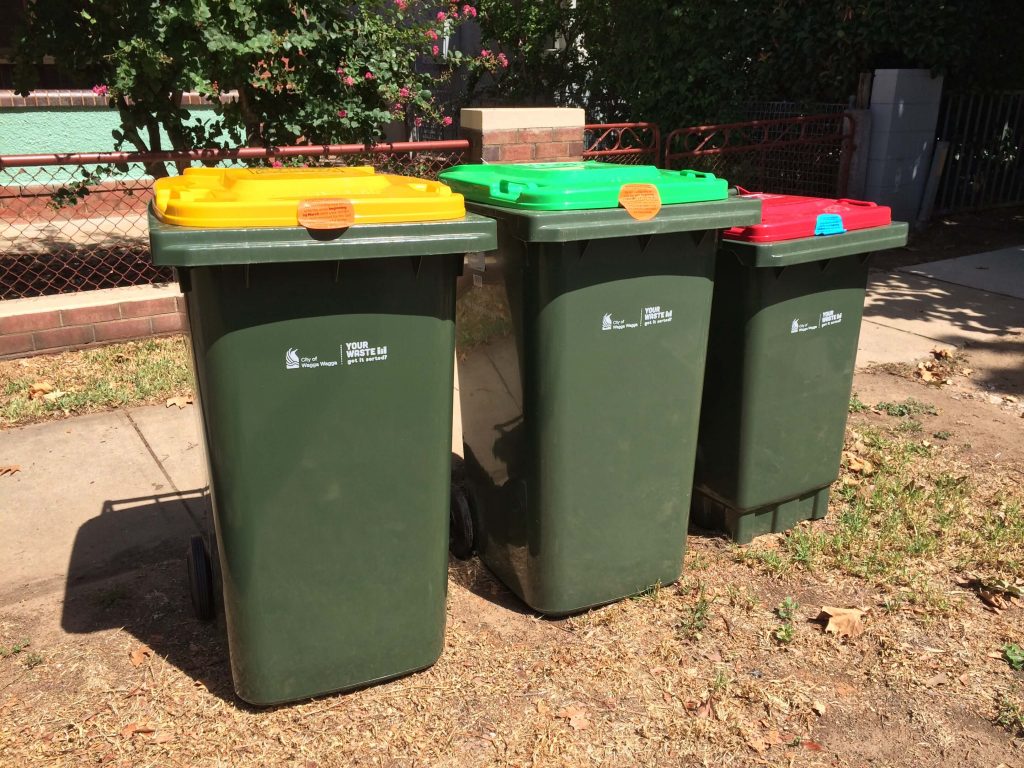
The current situation of Australia’s recycling industry is not good. The nation is in a crisis in regards to waste issues since several overseas countries stopped taking Australian waste, and local processing plants were unable to keep up with demand. The major player, SKM Recycling, was one of them. It ended up collapsing, owing millions of dollars after regulators shut down some of its processing plants and it was no longer able to send recycling overseas. At the moment, Victorian councils are just paying to send recycling straight to landfill rather than getting it processed.
The prime minister, Scott Morrison, said only about 12% of materials are properly recycled in Australia. To amend this situation, the EY report recommends making it more convenient to recycle, improving sorting, educating citizens about contamination and how to recycle, and developing new markets for recyclable materials.
Morrison has vowed to do more to tackle plastic waste in the world’s oceans, promising to ban the export of waste plastic, paper, glass, and tires.
The next material stream to test that logic is solar panels. Retired modules are piling up faster than policy can catch them, and their economics are unusually awkward: the most valuable material inside a panel is also the hardest to recover.


