
The food industry is a dynamic and highly competitive sector that requires efficiency, consistency, and strict adherence to safety standards. A significant advancement driving this industry forward is the adoption of automated packaging and filling machines. These machines have transformed the packaging process for food products, providing numerous benefits that impact both the production line and the end consumer. This article examines the diverse advantages of automated packaging and filling machines within the food industry.
Increased Production Efficiency
Streamlined Operations
Automated packaging and filling machines are engineered to manage high volumes of products while minimizing the need for human intervention. This capability significantly reduces bottlenecks during the production process. These machines operate continuously, free from fatigue, which guarantees that production targets are consistently achieved, significantly enhancing efficiency.
Speed and Precision
These machines operate at speeds unattainable by manual processes, filling and packaging products swiftly while maintaining precision. The accuracy in filling reduces product waste and ensures that each package contains the exact amount specified, which is crucial for maintaining product consistency and meeting regulatory requirements.
Enhanced Product Safety and Hygiene
Reduced Human Contact
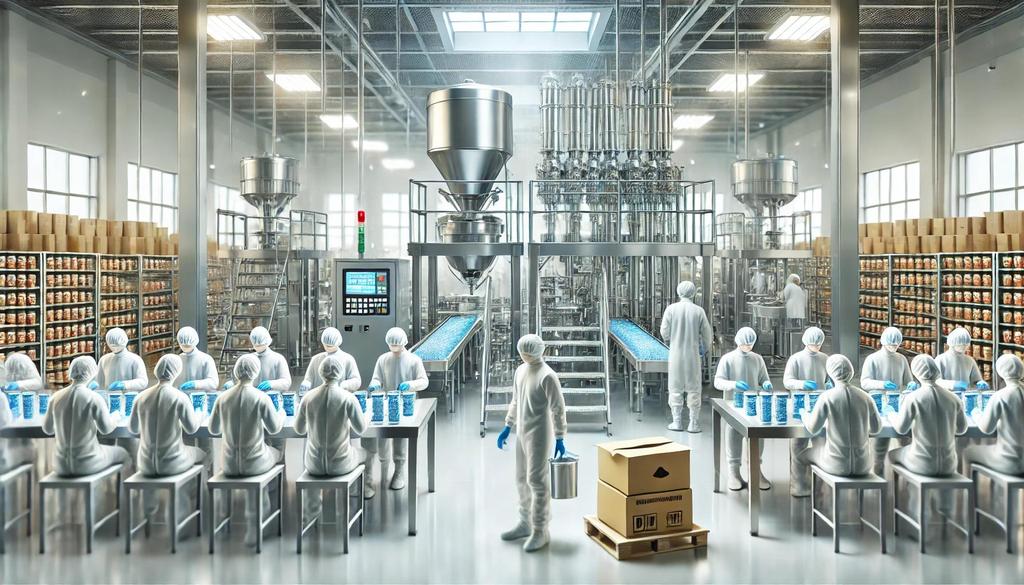
One of the paramount concerns in the food industry is maintaining hygiene to prevent contamination. Automated machines minimize human contact with food products during the packaging and filling process, significantly reducing the risk of contamination from human handling.
Compliance with Safety Standards
Automated systems are designed to meet stringent food safety regulations. Regulatory bodies like the FDA and USDA ensure compliance with hygiene standards by constructing them with materials and finishes that are easy to clean and sterilize.
Cost Savings
Labor Cost Reduction
While the initial investment in automated machinery can be substantial, the long-term savings are considerable. Automation reduces the need for a large workforce on the production line, leading to significant savings in labor costs, including wages, benefits, and training expenses.
Reduced Waste and Product Loss
The precision of automated machines reduces overfilling and spillage, leading to less product waste. Efficient use of packaging materials also contributes to cost savings by minimizing material consumption and reducing the environmental footprint.
Consistency and Quality Control
Uniform Packaging
Automated machines ensure that every package is consistent in appearance and quality. This uniformity enhances brand image and customer satisfaction, as consumers receive the same product experience with every purchase.
Real-time Monitoring and Adjustments
Advanced machines come equipped with sensors and control systems that monitor the packaging process in real time. They can detect and correct errors immediately, ensuring continuous quality control without halting production.
Flexibility and Scalability
Handling Diverse Products
Modern automated packaging and filling machines are highly versatile. They can be programmed to handle a variety of products and packaging styles, from liquids and powders to solids, and from bottles and cans to pouches and cartons.
Easily Scalable Operations
Automation allows for the easy scaling of operations to meet increasing demand. Businesses can grow and expand into new markets by integrating additional machines into the production line with minimal disruption.
Improved Worker Safety
Minimizing Workplace Hazards
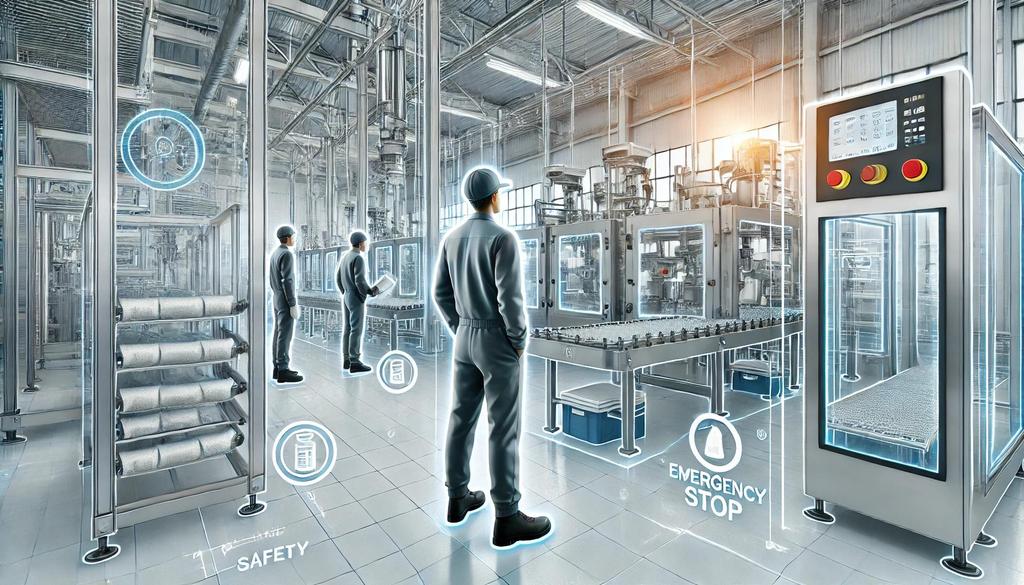
By automating repetitive and physically demanding tasks, companies can reduce the risk of workplace injuries. Hazards like heavy lifting, sharp objects, and exposure to harmful substances are less likely to affect workers.
Focus on Skilled Labor
Automation enables employees to concentrate on more skilled tasks that necessitate human judgment and expertise. These tasks include quality assurance and process optimization. As a result, this shift fosters a more engaged and satisfied workforce.
Environmental Benefits
Efficient Resource Use
Automated machines enhance the efficiency of packaging material usage, significantly reducing waste. The precision involved in both filling and packaging processes decreases the unnecessary consumption of resources. This optimization contributes to more sustainable operations within the food industry.
Energy Efficiency
Modern machines prioritize energy efficiency in their design. These machines consume significantly less power in relation to their output when compared to older models or manual equipment. This advancement results in a reduced overall energy footprint for the production facility.
Tech Integration and Data Management
Integration with Production Systems
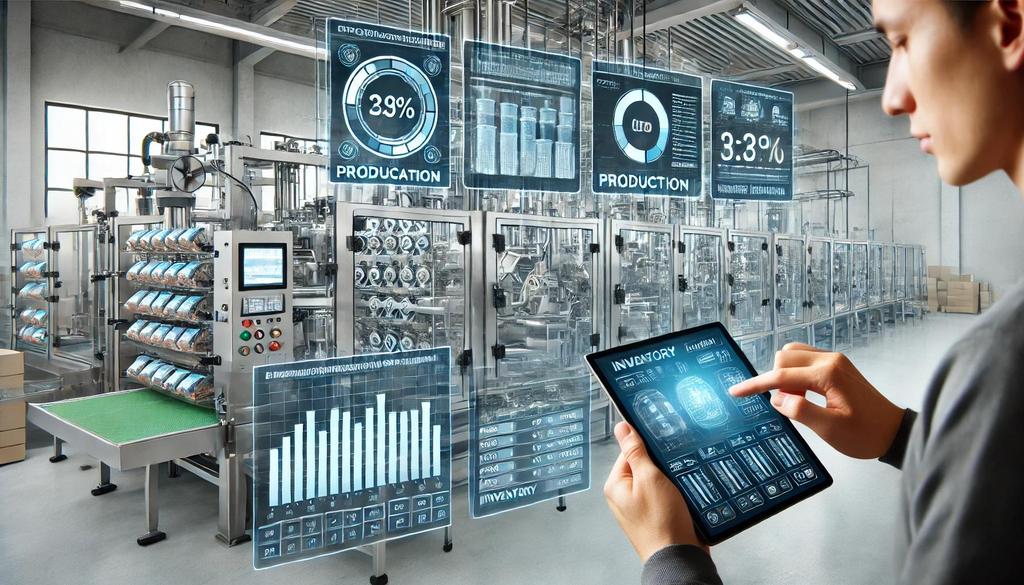
Automated packaging and filling machines can be integrated with other systems in the production line, facilitating seamless operations. Integration with inventory management systems ensures that production aligns with supply chain demands.
Data Collection and Analysis
These machines often feature advanced software that collects data on production metrics. Analyzing this data enables companies to identify areas for improvement, optimize processes, and make informed decisions based on real-time information.
Competitive Advantage
Meeting Market Demands
Automation enables companies to respond swiftly to market changes and consumer demands. The ability to produce large quantities efficiently allows businesses to stay competitive in a fast-paced industry.
Innovation and Branding
Adopting automation establishes a company as an innovator within the industry. This shift can enhance brand reputation and attract consumers who prioritize modern, efficient, and reliable food manufacturers.
Future-Proofing the Business
Adapting to Technological Advances
Investing in automation equips companies to adapt to future technological advancements. As machinery evolves and becomes more sophisticated, businesses that have implemented automation will find it easier to upgrade and integrate new features into their operations.
Regulatory Compliance
Automation plays a crucial role in ensuring compliance with evolving food safety regulations. Automated record-keeping and standardized production processes enable companies to adapt more easily to new legal requirements.

Automated Packaging and Filling Machines for Food Production
Automated packaging and filling machines have become indispensable in the food industry, offering a multitude of benefits that enhance efficiency, safety, and profitability. From increasing production speed and accuracy to improving hygiene and reducing costs, automation addresses many of the challenges faced by food manufacturers. Moreover, it positions companies to be agile and competitive in a rapidly changing market.
The integration of these machines is not just a trend but a strategic move toward sustainable growth and innovation. As technology continues to advance, the capabilities of automated packaging and filling machines will expand, offering even more opportunities for improvement. Companies that embrace automation today are laying a strong foundation for success in the future, ensuring they meet the demands of consumers and regulators alike while maintaining a competitive edge in the industry.


