
Stem cell research has advanced significantly in recent years, with stem cell treatments emerging as a therapeutic option for various blood disorders and certain cancers. However, before any treatment is initiated, medical professionals must comprehensively understand the patient’s condition. This necessitates a rigorous process of diagnosis and evaluation.
During this investigative phase, healthcare providers collect clinical data, conduct tests, and analyze the results. This careful examination determines whether stem cell therapy is a viable therapeutic approach.
Starting With the Diagnosis
The diagnostic process typically begins with a detailed clinical interview. Physicians evaluate symptoms, their onset and progression, and the patient’s family medical history.
These foundational details provide critical context for further investigation.
Following the medical history review, physicians typically order comprehensive tests. Blood panels are frequently the initial step, allowing specialists to assess blood cell production and identify any abnormalities.
Imaging diagnostics, such as MRI or CT scans, may also be necessary to evaluate organ and tissue function. These scans help determine the extent of disease progression beyond the blood or bone marrow.
The primary objective at this stage is to confirm the exact diagnosis and establish the disease’s progression.
Looking Deeper: The Evaluation Phase
Once a diagnosis is confirmed, the evaluation phase assesses the patient’s suitability for stem cell therapy.
Treatment viability varies among individuals. Medical teams consider numerous factors, including age, overall health, and prior medical treatments, before determining a course of action.
Organ function is heavily scrutinized; the heart, liver, and kidneys must be robust enough to withstand intensive treatment protocols. If underlying organ stress is detected, alternative therapeutic approaches may be necessary.
The evaluation also dictates the optimal type of stem cell transplant. Autologous transplants utilize the patient’s own stem cells, while allogeneic transplants require cells from a donor with closely matched tissue types.
Common Tests Used in Stem Cell Diagnosis
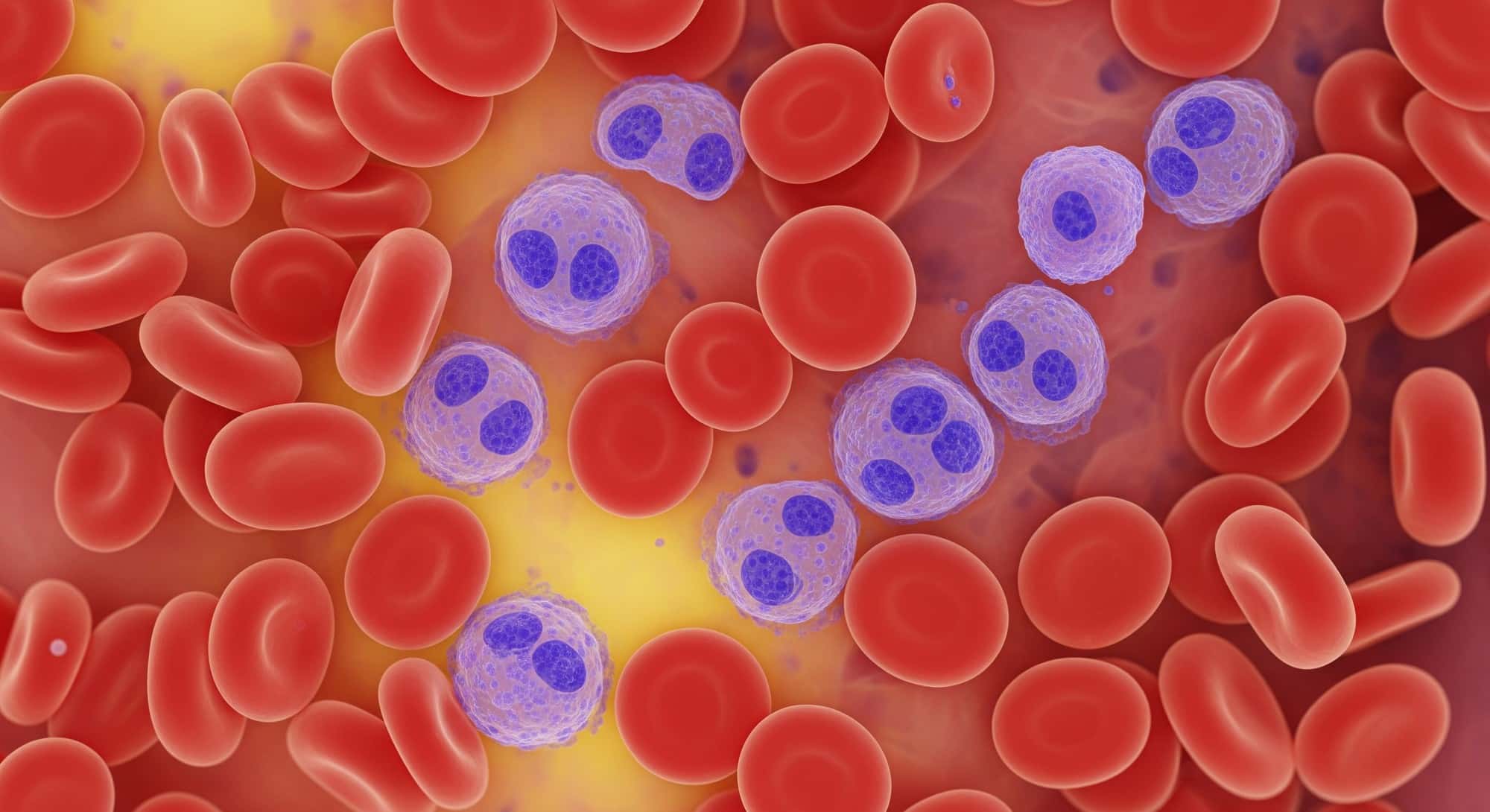
A variety of clinical tests are employed during the diagnostic and evaluative phases, each yielding distinct physiological data.
- Blood tests: These measure the levels of red blood cells, white blood cells, and platelets, revealing systemic changes within the body.
- Bone marrow biopsy: This procedure extracts a small sample of bone marrow for microscopic examination to identify abnormal or damaged cells.
- Genetic testing: As certain diseases are linked to DNA mutations, genetic analysis detects these variations to provide a deeper understanding of the pathology.
- Imaging scans: MRI, CT, or PET scans are utilized to pinpoint specific areas affected by the condition.
While no single test provides a complete overview, synthesizing these results offers a comprehensive clinical picture.
The Role of Medical Specialists
Stem cell diagnosis requires a multidisciplinary approach. Hematologists, oncologists, and laboratory specialists collaborate extensively throughout the evaluation.
Each specialist addresses a distinct component of the evaluation, from analyzing blood work and bone marrow samples to monitoring the patient’s holistic health.
In modern clinical settings, this collaborative methodology ensures that medical teams gather all necessary data before formulating treatment decisions.
What Happens After Evaluation
Following the accumulation of test results, medical professionals conduct a thorough review and hold consultations to explain the findings to the patient.
This consultation is crucial for ensuring the patient understands their condition, the viable treatment options, and the anticipated next steps.
If stem cell therapy is deemed appropriate, the medical team proceeds with treatment planning. This phase may require supplementary testing or the initiation of a donor search.
While the process is time-intensive, each step guarantees that clinical decisions are founded on precise, individualized data.
Why This Process Matters
Although the treatment phase often receives the most attention, the preceding diagnosis and evaluation are equally critical.
Comprehensive testing prevents the oversight of crucial pathological details, while thorough evaluation mitigates risks by confirming the patient’s physiological readiness for the procedure.
Ultimately, these preliminary steps establish the medical foundation for all subsequent therapeutic interventions.

Final Thoughts
While stem cell diagnosis and evaluation involve complex technical procedures, the underlying principle is straightforward: gathering exhaustive medical data to determine the optimal treatment pathway.
For those seeking further clinical insights, specialized resources provide detailed information regarding stem cell diagnosis and evaluation.
Alongside clinical care, maintaining a balanced lifestyle supports recovery and general well-being. Foundational habits related to health, nutrition, and daily routines are frequently explored on platforms like live and feel, which focus on comprehensive wellness.
A thorough understanding of the diagnostic process empowers patients, allowing them to approach their treatment journey with greater preparedness and confidence.


