
Coffee pulp, a coffee production byproduct, can speed up tropical forest recovery on land that had been clear cut for agricultural use. A new study by the University of Hawaii and ETH-Zurich researchers found the widely available waste material boosts plant growth substantially – 80% of the forest grew back on land that had been covered with coffee pulp compared to only 20% on land that had not.
Coffee pulp is high in nutrients, and it’s the waste of a prevalent commodity. So, it can be an effective and affordable forest restoration strategy. Strategies like this will be crucial to restoring large forest areas, one of the ambitious global objectives laid out in the 2015 Paris Accords.
The Study

- In 2018, the researchers spread 30 dump truck loads of coffee pulp into a half-meter-thick layer on an area of degraded land (a former coffee farm) in southern Costa Rica (Coto Brus county) sized 35m x 40m. They left a similar-sized area uncovered (no pulp) as a control.
- Before and two years after spreading the pulp, the researchers analyzed soil samples for nutrients and noted all the species present, the percentage of forest ground cover, the size of woody stems, and used drones to record canopy cover.
The study’s region underwent rapid deforestation in the 1950s as land conversion to coffee agriculture and pasture spread, reducing forest cover to 25% by 2014. Recently, scientists and environmentalists have been organizing projects, like this study, as part of conservation efforts.
The Results (After Two Years)
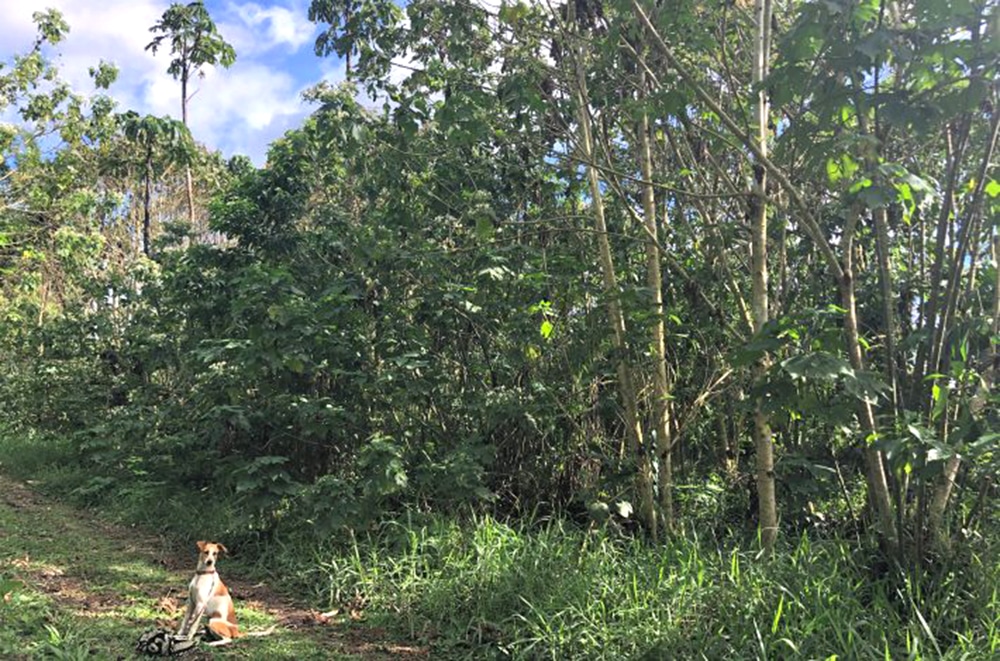
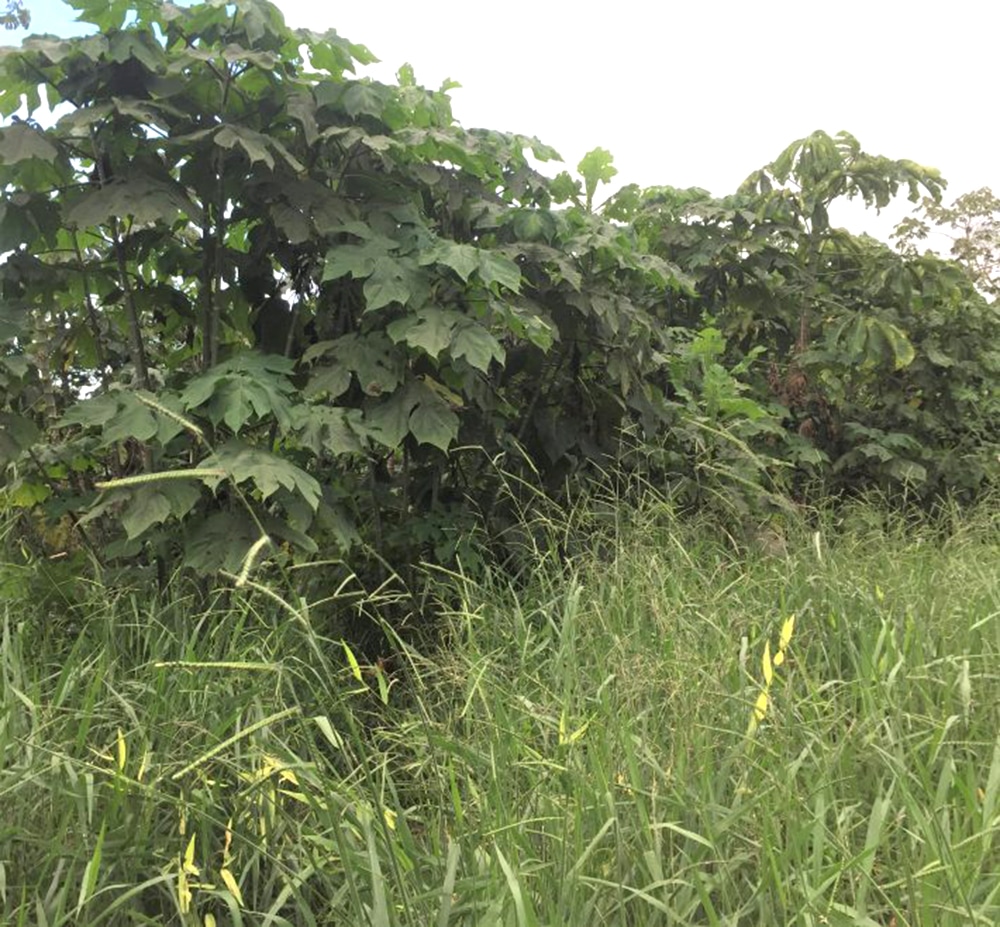
- The coffee waste treated area had an 80% canopy cover four times taller; the control area was only 20% cover.
- The coffee pulp eliminated the dominating invasive pasture grasses, which are often a barrier to forest succession. Their removal enabled native, pioneer tree species to recolonize the area quickly. Such trees arrive as seeds through animal dispersal and seeds but have a hard time growing if the grasses are there.
- Nutrients (including carbon, phosphorous, and nitrogen) were significantly higher in the coffee waste treated area.
Dr. Rebecca Cole, the lead author of the study, said:
The results were dramatic. The area treated with a thick layer of coffee pulp turned into a small forest in only two years while the control plot remained dominated by non-native pasture grasses.
This case study suggests that agricultural byproducts can be used to speed up forest recovery on degraded tropical lands. In situations where processing these byproducts incurs a cost to agricultural industries, using them for restoration to meet global reforestation objectives can represent a ‘win-win’ scenario.
Former tropical agricultural land is usually highly degraded; meaning, the soil quality is inferior, which can delay forest succession for decades. So, this study’s findings are very promising. However, Dr. Cole cautions that further research is necessary because their study only provides two years of data about using the coffee pulp to aid forest restoration – which isn’t enough.
She said:
This study was done at only one large site, so more testing is needed to see if this strategy works across a broader range of conditions. The measurements we share are only from the first two years. Longer-term monitoring would show how the coffee pulp affected soil and vegetation over time. Additional testing can also assess whether there are any undesirable effects from the coffee pulp application.
One of the limitations of using an agricultural byproduct like coffee pulp is that its use is primarily limited to accessible and relatively flat areas. That’s because the material needs to be delivered, and flatlands reduce the risk of added nutrients washing into the nearby watershed.
Dr. Cole said:
We would like to scale up the study by testing this method across a variety of degraded sites in the landscape. Also, this concept could be tested with other types of agricultural non-market products like orange husks. We hope our study is a jumping-off point for other researchers and industries to take a look at how they might make their production more efficient by creating links to the global restoration movement.
Costa Rica has been doing a great job restoring its rainforests. There are so many conservation projects that the country has more than doubled its forest cover in three decades! It’s also encouraging its tourists to offset their trip’s carbon footprints now.


