
Thomas Edison first introduced the first practical incandescent light bulb in 1879, marking nearly 150 years since then. Unbelievably, nearly two centuries later, an estimated 700 million people, or nearly 10% of the world’s population, lack access to electricity.
If almost 10% of the world’s population has no access to electricity, it makes you wonder how they can survive in this digital age.
Fortunately, solar energy is creating new opportunities for these communities. By harnessing the power of the sun, it is possible to provide a clean, affordable, and reliable power supply where it’s needed most.
The potential of solar power benefits for local communities is limitless, creating a positive ripple effect that includes:
- Solar power can create new job opportunities in the areas of installation and maintenance.
- Access to reliable power leads to an increased standard of living.
- Reducing pollution promotes a healthier ecosystem and environment.
- Local communities can utilize solar energy to transform their villages into bustling cities.
This article will evaluate the transformative impact of solar energy in local communities, the economic and social benefits, and its role in clean and renewable energy.
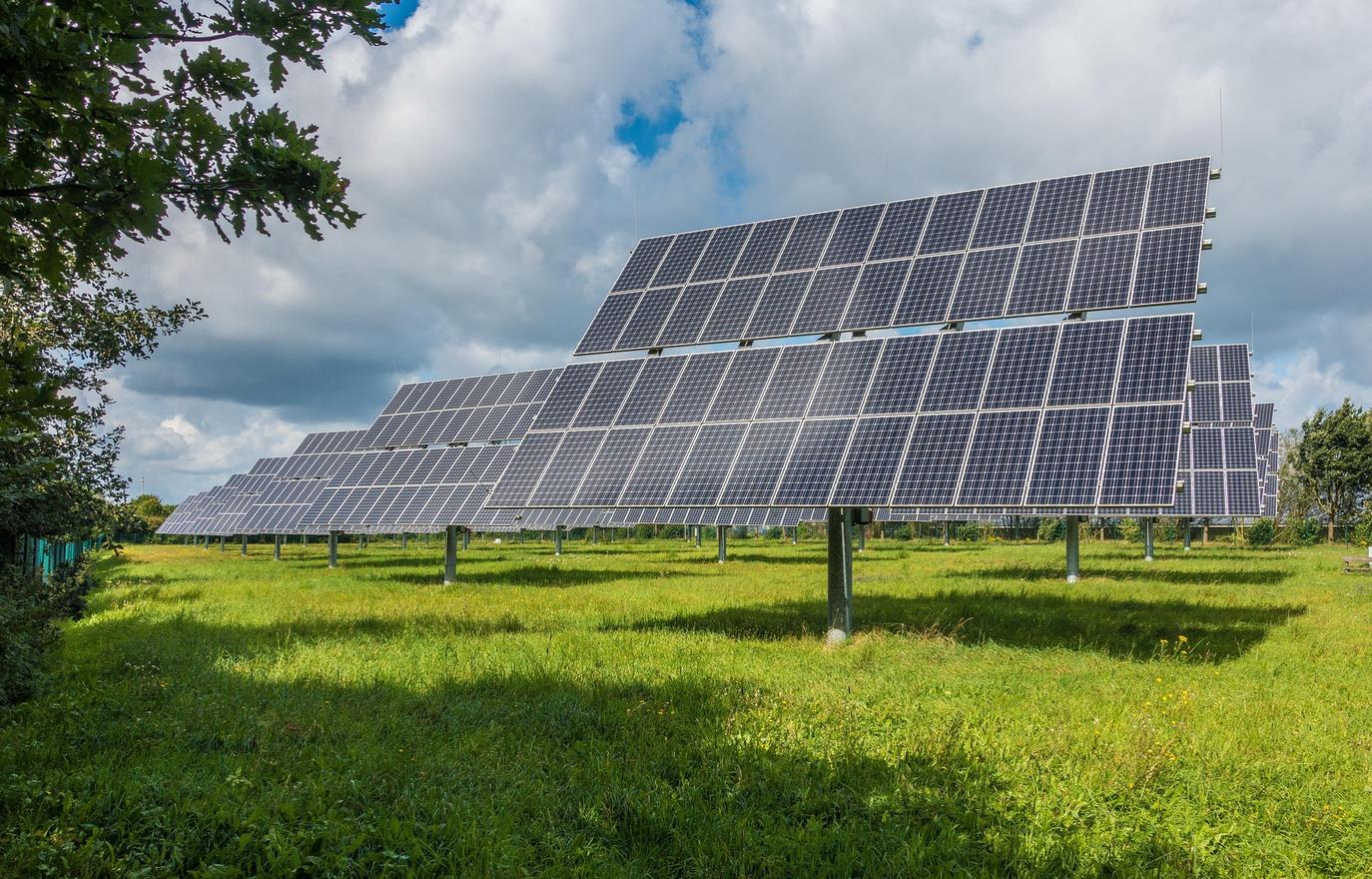
The Need for Solar Energy in Local Communities
Solar energy can play a crucial role in addressing the energy needs of rural or local communities in an era when hundreds of millions of people lack access to a constant power supply. Here’s a comprehensive breakdown that highlights the potential impacts of Solar energy in local communities:
Addressing Widespread Energy Poverty
According to a survey carried out by the World Health Organization in 2024, nearly 700 million people lack access to a constant power supply.
Rural communities primarily situated in sub-Saharan Africa and South Asia lack access to education, health care, and economic opportunities due to unstable or nonexistent power supplies.
Overcoming the Flaws of Traditional Energy
Traditional energy sources like diesel generators and kerosene lamps are incredibly costly to maintain and also pollute the environment. Solar panels provide an alternative and economically viable power source for low-income families.
The Growing Cost-Effectiveness of Solar
In the early days of the solar panel’s introduction, it was seen as a pretty expensive technology to own. However, according to Irena, Solar panel costs have dropped by over 80%. It is therefore now affordable for those with medium and low incomes.
In recent times, several companies have launched Buy-Now-Pay-Later models, allowing interested parties to purchase Solar panels in installments.
Reducing Negative Environmental Impacts
In most rural communities, electricity is generated using traditional sources like kerosene, diesel, or biomass. The constant use of these energy sources releases harmful greenhouse gases like CO2, contributing to climate change and air pollution.
On the other hand, solar energy systems produce zero greenhouse gas emissions throughout their operation, reducing their dependence on fossil fuels.
The Power of Decentralized Solar Solutions
Solar panels are designed to deliver electricity directly to homes without requiring expansion of complex power grids. It decentralizes the power generation process by eliminating the need for a central power grid.
This helps alleviate the costs of grid expansion and provides homes with an independent power supply that is affordable, clean, and scalable according to their preferences.

The Transformative Benefits of Solar Energy
Local communities, especially those in rural or underdeveloped areas, usually experience unreliable or nonexistent power supplies. Solar energy can help provide power solutions to these communities.
The following are some of the key benefits of solar energy for local communities:
Unlocking Social Progress and Well-Being
Access to Reliable Electricity
With solar energy, local off-grid communities have access to a constant power supply. This is an excellent way of easing pressure from the national grid and bridging the energy gap.
Communities in rural areas can receive a power supply for domestic use and enjoy the benefits provided by electricity, which connects them to the global community.
Improved Health and Public Safety
Communities generating electricity using fossils often have an unhealthy atmosphere due to the emission of fumes from devices like diesel generators, kerosene lamps, etc. However, investing in solar-powered systems will help in reducing health risks caused by air pollution.
Improved Education
Students in rural communities are often at a disadvantage due to unreliable or nonexistent power supply. At night, students in these communities often must rely on inadequate and hazardous light sources like kerosene lamps and candles to study. Additionally, they miss out on the chance to learn using tools such as computers and projectors.
Investing in solar-powered lighting allows students to study after dark and also makes use of various digital educational tools to enhance learning opportunities.

Fueling Economic Growth and Opportunity
Improvements in the Standard of Living Through Employment & Job Creation
Unemployment often denies many rural dwellers access to basic living amenities. With no reliable income, it’s nearly impossible to maintain a good standard of living. Thankfully, investing in solar energy can serve as a medium of job creation and skill acquisition.
Solar power requires installation and periodic maintenance, which in turn requires the services of laborers (skilled and unskilled). In local communities with limited employment, the solar industry can become a significant source of job creation, providing stable work for local residents.
Learning how to install, repair, and maintain solar panels offers skill-acquisition opportunities to local communities. Developing these skills can provide opportunities for employment not only within their community but also globally.
Cost Savings
Solar energy systems offer one of the cheapest forms of energy production and supply. After you purchase and install solar systems, you will spend little to no money on maintenance.
After installation of the solar systems, you can say goodbye to expensive electricity bills from centralized power companies. This allows you to channel your available income into other needs like health, education, or even recreation.
Turbocharging Small Businesses
Another transformative effect of solar energy is its impact on small businesses. Solar energy provides the reliable power needed for local businesses to thrive and expand their reach. With access to a cheap and affordable power supply, markets and shops can operate more effectively, allowing owners to:
- Preserve perishable goods, reducing waste
- Increase production capacity with powered equipment
- Extend operational hours into the evening
- Improve their overall profit margins
More importantly, small businesses can embark on the sale and distribution of solar panels and their appliances. This will create a boom in the solar power industry.

Building a Sustainable Environmental Future
Reduced Carbon Emissions and Pollution
Many local communities, particularly in regions like sub-Saharan Africa, have historically relied on burning fossil fuels such as charcoal, kerosene, and diesel for energy. These energy sources emit harmful CO2 into the atmosphere, leading to environmental pollution.
Replacing kerosene lamps, diesel generators, and charcoal stoves with their solar counterparts significantly reduces indoor and outdoor pollution. This leads to a cleaner and healthier ecosystem and community.
Sustainability
Solar energy is a clean and renewable energy source that helps reduce reliance on fossil fuels. This ensures that power is readily available to local communities.

Renewable Energy Powers a More Equitable Future
Solar energy is more than just an alternative power source; it is a catalyst for profound social and economic transformation. By providing clean, reliable, and affordable electricity, it empowers local communities to overcome the limitations of energy poverty. From improving education and healthcare to creating jobs and stimulating small businesses, the benefits ripple through every aspect of community life. This decentralized approach to power ensures that even the most remote areas can achieve greater independence and build a more resilient future.
As the world continues to shift toward sustainable solutions, solar energy stands out as a practical and scalable answer to one of our most pressing global challenges. It represents a tangible step toward reducing our reliance on fossil fuels, creating a healthier environment, and ensuring that access to electricity is a right, not a privilege. For local communities around the world, solar energy provides not only light but also a means to achieve empowerment and sustainable progress.
Frequently Asked Questions About Solar Energy’s Community Impact
How does solar energy create jobs in local communities?
Solar projects require a workforce for various stages, including installation, maintenance, and sales. This creates local employment opportunities for both skilled and unskilled laborers, boosting the local economy and providing residents with stable income.
Is solar energy truly affordable for low-income communities?
Yes. The cost of solar panels has dropped dramatically over the past decade. Combined with innovative financing models like “Buy-Now-Pay-Later” and government incentives, solar energy has become an increasingly accessible and cost-effective solution for low-income families.
How does solar power improve health in a community?
By replacing traditional energy sources like kerosene lamps and diesel generators, solar power eliminates harmful indoor and outdoor air pollution. This leads to a significant reduction in respiratory illnesses and other health risks associated with burning fossil fuels.


