
The coronavirus has spread to 188 countries or territories and has claimed over 24,000 lives. It is most likely spreading so quickly because of the symptoms that range from mild to severe. One person might have a simple cold/flu-like symptoms and think it’s not coronavirus; they go out and do what they usually would do, as they spread the germs around everywhere they go. Then, another person comes along and catches the virus, but their symptoms may be so bad that they will have to be hospitalized or might even die. That’s why it’s crucial for you to know how to protect yourself, what the coronavirus symptoms are, and what to do if you think you are infected.
How Can You Protect Yourself?

The most effective way to protect yourself is to wash your hands with soap and water thoroughly, always remember not to touch your face with unwashed hands and avoid close contact with infected people. According to medical experts, some face masks don’t provide ideal protection.
However, as long as you stay away from anyone coughing or sneezing, you won’t have to worry about breathing in their germ particles.
How Does Coronavirus Spread?
COVID-19 spreads when an infected person sneezes or coughs small drops (containing the virus) into the air. These droplets can either be breathed in or if you touch a surface they have landed on, then touch your nose, eyes or mouth, you can get infected.
Therefore, if you do find yourself sneezing or coughing, just in case, do it on a tissue and avoid close contact with people to limit the spread. Better yet, stay at home.
What Are Coronavirus Symptoms?
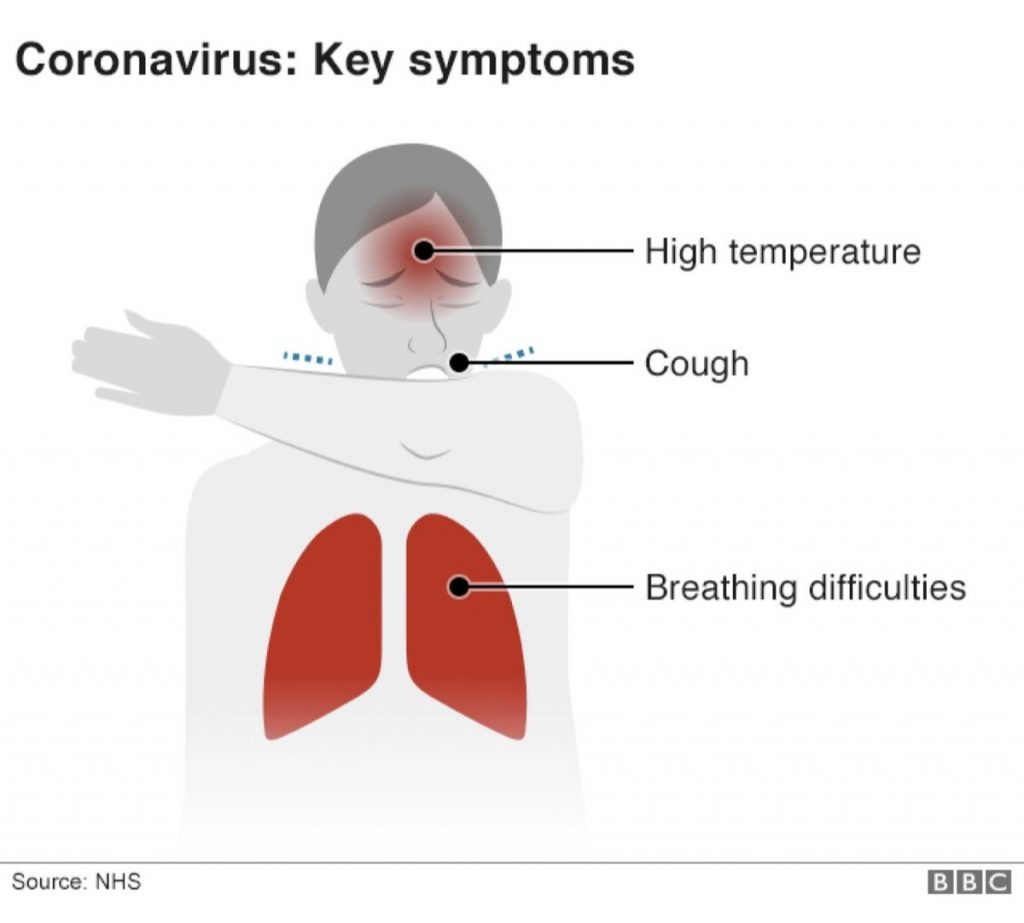
On average, it takes five days to start showing symptoms. However, some people will get symptoms much later. According to the WHO, the incubation period lasts up to 14 days.
When an individual gets infected with coronavirus, they may confuse it for a typical cold or flu during early symptoms. Since coronavirus infects the lungs, it can lead to breathing problems.
Symptoms start with a high fever, followed by a dry cough. The cough is a continuous cough, which means you will be coughing for more than an hour at times, or having more than three coughing episodes within 24-hours. For those who typically have a cough, it will be much worse than usual.
People will be infectious the most while they have symptoms, although some suggest that the virus can spread even before they get sick.
How Fatal Is Coronavirus?
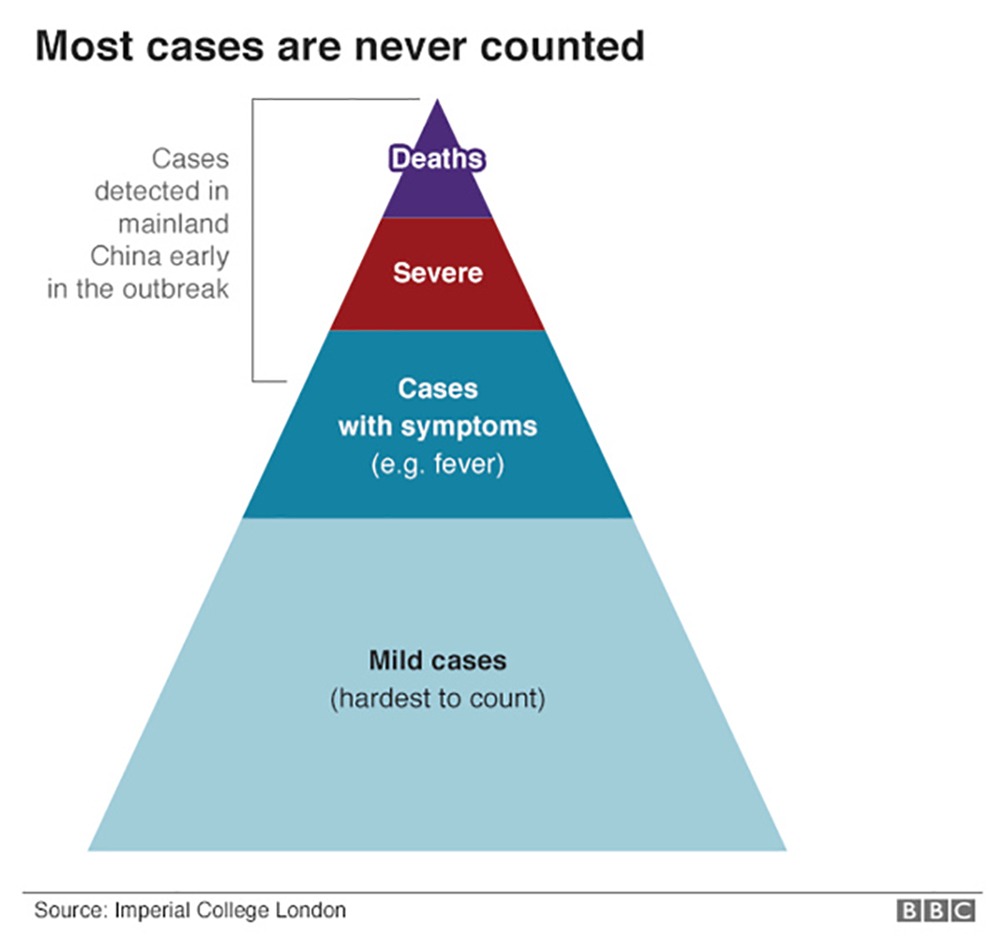
The numbers from people dying from COVID-19 are between 1% to 2%, but these figures are unreliable, as there are currently thousands being treated who may go on to die or may recover.
The WHO’s examination of data gathered from 56,000 patients show:
- 80% have mild symptoms – cough and fever, with some getting pneumonia.
- 14% get severe symptoms – shortness of breath and difficulty breathing.
- 6% become critically ill – septic shock, lung failure, organ failure, and risk of death.
Those who are at the most risk of getting severely ill are older people and those with pre-existing medical conditions, including diabetes, asthma, high blood pressure, and heart disease. Additionally, Chinese data suggests that men are at a higher risk of dying from the virus than women.
The only treatment there is for coronavirus at the moment is keeping the patient’s body going, including putting them on breathing support until their immune system can fight off the virus. Scientists are working on a cure, but they haven’t figured it out yet.
What Should You Do If You Think You Have COVID-19?
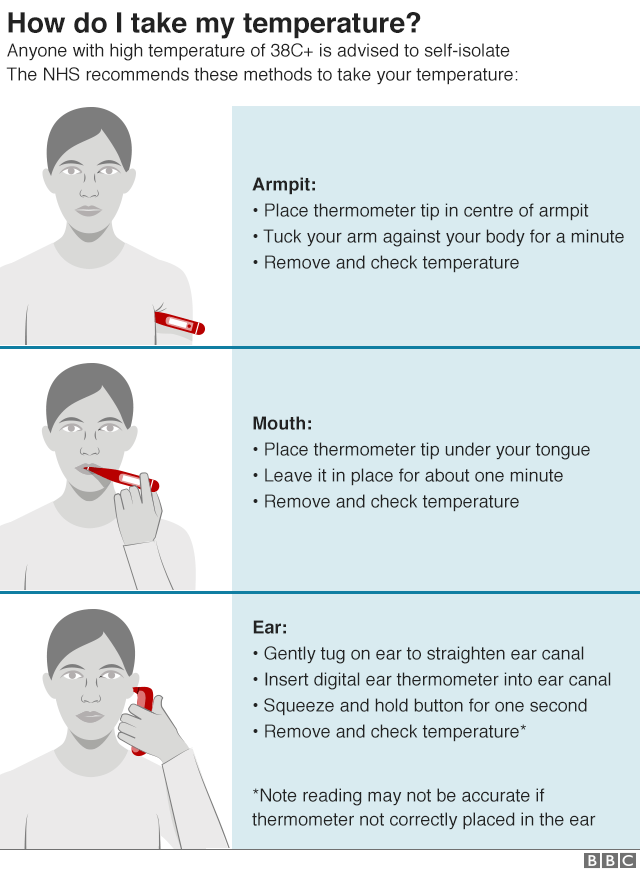
According to Public Health England, people with mild symptoms, including a continuous cough or high temperatures above 100°F, should stay inside there home for at least seven days. Only if your symptoms are severe should you go to the hospital. If you came in contact with an infected person, you should self-isolate.
The U.S. Centers for Disease Control and Prevention advises people who are showing medium symptoms to ring their healthcare provider and those who are mildly ill to self-isolate.
Valuable Advice From the World Health Organization for avoiding the spread of coronavirus disease:
Hygiene
- Clean hands thoroughly and frequently with soap and water or an alcohol-based sanitizer.
- Wash hands every time after sneezing or coughing; when taking care of sick people; before; during and after preparing food; before eating; after using the bathroom; and after petting animals or handling waste.
- Maintain a minimum of 2-meter (6 feet) distance from people who are sneezing or coughing. Avoid touching your eyes, nose, and mouth. Do not spit in public places.
- Cover your nose and mouth with a tissue or bent elbow when sneezing or coughing. Throw away the tissue immediately and wash your hands.
Medical
- If you don’t feel well (cough, fever, difficulty breathing), seek medical care earlier rather than later, and call local health authorities beforehand.
- Stay up to date on any coronavirus developments issued by health authorities and follow their instructions.
Mask Usage
- If you find yourself coughing or sneezing, wear a mask. Masks are effective, but one must remember to frequently wash their hands because otherwise, the mask is pointless.
- While you are wearing your mask, do not touch your face. If you touch your mask, you have to wash your hands and after you dispose of the mask wash again.
- Don’t re-use single-use masks, as they may be contaminated.


