
Every tool you choose for your farm reflects a deeper commitment to the land’s future. As environmental scrutiny increases, the difference between standard practices and true ecological stewardship often comes down to the implements in your shed. The cultipacker is one such soil tool, serving as a vital bridge between intensive tillage and ecological stewardship.
This implement does more than just roll over the earth; it fixes the foundational link between seed and soil that determines a harvest’s success. By stabilizing the seedbed and locking in moisture, it transforms vulnerable fields into resilient ecosystems. For any grower aiming for regenerative results, mastering this tool is a practical step toward truly sustainable land management.
You’ve probably watched helplessly as loose, fluffy soil washes away during a downpour or dries out in a summer heatwave. A cultipacker ends this cycle of frustration by locking in the precise density required for capillary action to pull moisture where it’s needed most. It’s about building a field that works with nature rather than against it, ensuring your investment in seed translates into a robust, thriving stand.

Mastering the Mechanics of Effective Soil Consolidation
Tillage inevitably loosens soil and creates unwanted air pockets. The cultipacker’s weighted rollers solve this by pressing the surface layer into a firmer, more uniform seedbed. These rollers shatter soil clods and eliminate large voids, initiating the capillary action needed to pull moisture from deep layers directly to germinating seeds.
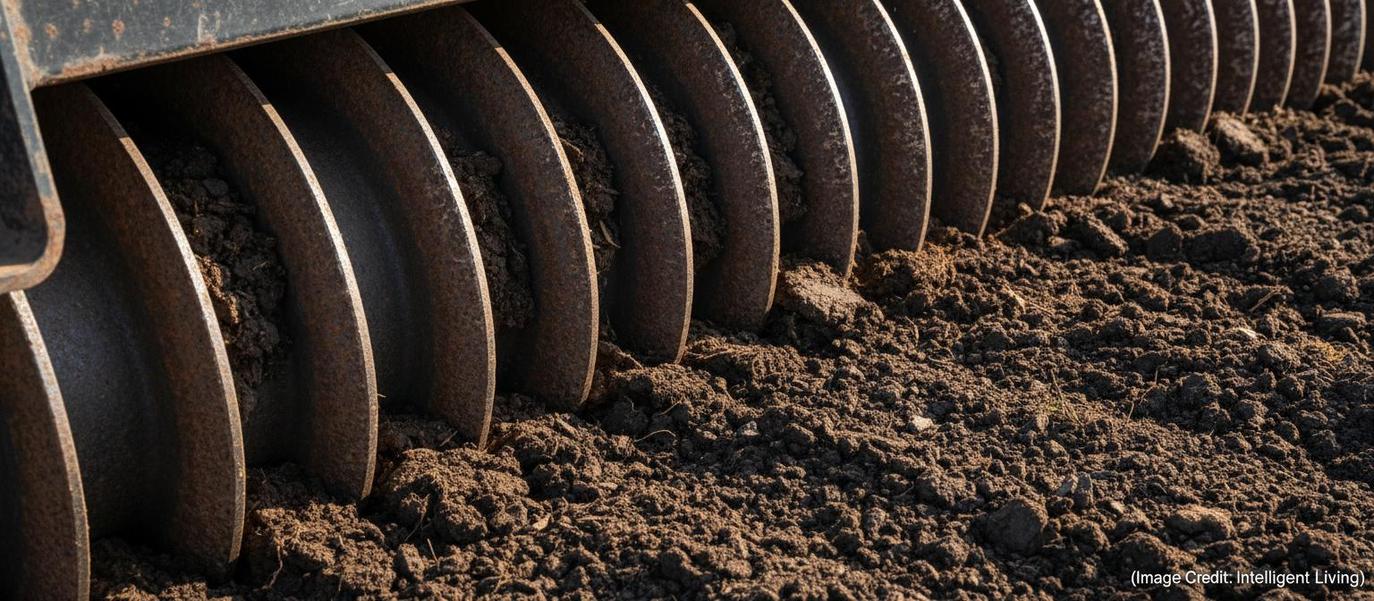
The design uses ridged or corrugated rollers to imprint a textured pattern onto the field. This architectural detail serves dual purposes: it maximizes seed-to-soil contact while leaving the shallow channels essential for water management and crusting prevention.
Modern cultipackers come in several configurations to match different farming operations:
- Pull-Behind Models: Attached to tractors or ATVs, these units handle larger acreage efficiently and work well for commercial operations or extensive food plot establishment.
- Water-Filled Variants: These adjustable-weight cultipackers allow operators to modify compaction pressure based on soil conditions, moisture levels, and crop requirements.
- Combination Seeders: Integrated units that plant and pack simultaneously, reducing passes and fuel consumption while improving operational efficiency.
Proven Benefits for Soil Structure and Crop Performance
Using a cultipacker boosts farm productivity and strengthens environmental stewardship across several key metrics. Field trials and practical experience have documented several key benefits:
- Enhanced Germination Rates: Firm seed-to-soil contact eliminates air gaps that can desiccate seeds, particularly critical for small-seeded species like clover, brassicas, and many native grasses used in conservation plantings.
- Improved Moisture Management: By creating capillary channels and reducing surface irregularities, cultipackers help soil retain moisture during dry periods. Proper seedbed consolidation can reduce irrigation needs by 15–20% in some crops.
- Erosion Control: A firmed surface resists both wind and water erosion more effectively than loose, fluffy soil. This protection proves especially valuable on sloped ground or in regions with intense rainfall events.
- Optimized Soil Structure: While compacting the surface layer for seed contact, quality cultipackers avoid the deep compaction that restricts root development and water infiltration—a balance that sustainable agriculture experts emphasize as critical for long-term soil health.
- Reduced Input Requirements: Better germination rates mean farmers can reduce seeding rates, lowering costs while achieving desired stand densities.

Advancing Regenerative Farming Systems with Cultipacker Use
Cultipackers sync perfectly with regenerative principles by protecting soil biology and enhancing carbon sequestration. Far from being a single-use tool, they act as a cornerstone for sustainable farming that reaches well beyond the initial planting date.
Resource efficiency represents one clear advantage. By improving germination percentages, cultipackers reduce seed waste—a consideration that matters both economically and ecologically.
When establishing cover crop mixes or diverse pasture blends, the difference between 60% and 85% germination can determine whether expensive seed investments succeed or fail.
Water conservation benefits prove increasingly important as climate patterns shift. The moisture retention that cultipackers provide reduces irrigation demands, conserves groundwater resources, and helps crops withstand drought stress.
In dryland farming regions, this resilience can mean the difference between crop failure and harvest.
Strengthening Soil Biology and Carbon Storage
Maintaining soil health links directly to how effectively your land stores carbon and mitigates climate shifts. By preventing erosion and supporting robust plant establishment, cultipackers help maintain the organic matter and biological activity that make soil a carbon sink rather than a source.
The environmental calculus extends to reduced chemical inputs as well. Healthy, well-established crops compete more effectively against weeds, potentially reducing herbicide applications. Strong early growth also improves nutrient uptake efficiency, which can lower fertilizer requirements over time.

Choosing the Best Cultipacker Equipment for Your Farm
Choosing the right cultipacker requires matching equipment specifications to your specific farming context. Several factors should guide your decision:
- Scale and Terrain: Field size, topography, and access determine whether you need a compact ATV-pulled unit or a larger tractor-mounted model. Uneven terrain may require more robust construction and better weight distribution.
- Soil Characteristics: Clay-heavy soils need less aggressive compaction than sandy loams. Water-filled cultipackers offer flexibility to adjust pressure as conditions change throughout the season or across different field areas.
- Crop Applications: Food plot establishment, pasture renovation, and row crop planting each present different requirements. Some operations benefit from combination seeder-packer units, while others need standalone cultipackers for post-seeding passes.
- Build Quality: Durable construction with sealed bearings, heavy-gauge steel, and corrosion-resistant finishes ensures longevity. Equipment that fails mid-season creates costly delays during critical planting windows.
- Compatibility: Always double-check that your hitch systems and hydraulic capacities align with the weight ratings of your tractor or ATV. Mismatched gear leads to operational headaches you don’t need during a busy season.
While the sticker price is important, ignoring the cost of frequent repairs is a mistake. A ruggedly built cultipacker easily serves a farm for twenty years with basic maintenance, offering a much higher return on investment than a budget alternative.
Farmers can select cultipackers from Packer Maxx, Brillion, or Land Pride for operation-matched soil preparation equipment.
The Evolution of Soil Preparation: From Tradition to Innovation
Agricultural implements have evolved dramatically over the past century, driven by the need to feed growing populations while managing environmental impacts. Early farmers relied on rudimentary tools—drag logs, stone rollers, and simple wooden implements—to firm seedbeds after planting.
The cultipacker as we recognize it today emerged in the mid-20th century as mechanization transformed farming. Engineers recognized that controlled compaction could dramatically improve germination rates, particularly for small seeds that earlier equipment handled poorly.
The addition of corrugated or ridged rollers represented a significant advance. This created the textured surface that balances firmness with water management.
Integrating Precision Technology and Modern Materials
Recent decades have brought further refinements. Modern materials reduce weight while improving durability. Adjustable-ballast systems allow operators to fine-tune compaction pressure. Some manufacturers now incorporate precision agriculture technologies, using sensors to monitor soil conditions and adjust pressure automatically across varying field zones.
This evolution reflects agriculture’s broader trajectory toward practices that balance productivity with sustainability—a shift that continues accelerating as climate concerns and soil degradation demand more thoughtful land stewardship.
Expert Guidelines for Optimizing Your Cultipacker Performance
Effective cultipacker use requires attention to timing, technique, and equipment maintenance. These practical considerations determine whether you realize the full benefits:
- Soil Preparation: Remove large debris, rocks, and vegetation residue before packing, as excessive organic matter on the surface can prevent proper soil contact and create uneven compaction.
- Moisture Timing: Soil moisture dramatically affects compaction outcomes. You must target the right moisture window to avoid emergence issues:
- Wet Soil: Tends to smear, creating a sealed surface that locks seeds underground and blocks healthy emergence.
- Dry Soil: Resists compaction and may fail to form the necessary capillary channels.
- Optimal Conditions: Aim for soil that forms a loose ball when squeezed but crumbles easily under light pressure.
Maintaining this balance ensures the rollers provide the exact pressure required for success.
- Operating Speed: Maintain consistent, moderate speeds—typically 3–5 mph for most conditions. Excessive speed creates uneven pressure and may bounce the cultipacker over surface irregularities rather than smoothing them.
- Multiple Passes: Some situations benefit from cross-directional passes, particularly when establishing critical plantings like wildlife food plots or native grass stands where germination uniformity matters greatly.
- Maintenance Protocols: Clean soil buildup from rollers after use. Inspect bearings regularly and lubricate according to manufacturer specifications. Check for worn or damaged components before each season.
- Safety Practices: Ensure all shields and guards remain in place. Verify hitch security before operation. Be particularly cautious on slopes where equipment weight and momentum create rollover risks.

Strengthening Your Agricultural Legacy Through Soil Health
Your investment in a cultipacker yields dividends far beyond a single season’s germination. By firming the ground and shielding the topsoil, you turn your acreage into a hub for carbon storage and water conservation. This isn’t just theory; it’s a practical way to slash seed waste and lower irrigation costs, proving that high-performance farming and environmental care are one and the same.
Watch your fields respond with new vigor and naturally stronger weed suppression as you adopt these methods. Moving toward regenerative agriculture doesn’t demand a massive equipment overhaul. Instead, it starts with utilizing proven implements like the cultipacker to their full potential. When you put soil health first, you build a productive, profitable legacy that lasts long after the final harvest.
Essential Cultipacker Frequently Asked Questions
When is the best time to use a cultipacker?
The best results occur when soil is moist enough to crumble but dry enough to avoid smearing, usually right after seeding or during final seedbed preparation.
Can I use a cultipacker with an ATV?
Yes, many pull-behind models are specifically designed for ATVs, making them ideal for small-scale operations and wildlife food plots.
How does a cultipacker help with erosion?
By firming the soil surface and creating ridged patterns, it reduces the impact of wind and prevents water from washing away loose topsoil.
Do I need to pack the soil before or after seeding?
While both can be beneficial, packing after seeding is critical to ensure the seed-to-soil contact necessary for high germination rates.
Will a cultipacker cause deep soil compaction?
Quality cultipackers are designed to firm the surface layer only, avoiding the deep compaction that can hinder root growth and water infiltration.


