
Plumbing systems frequently fail due to minor daily habits families overlook. An innocent shortcut in the kitchen or bathroom can swiftly escalate into a serious repair once pipes react. Clogs, leaks, and damaged fixtures often stem from gradual neglect, not sudden accidents.
A closer look at common household habits, often overlooked, clarifies why plumbing problems often manifest unexpectedly.

Toilets Are Not Trash Bins: Prevent Costly Clogs
Flushing tissues, wipes, or hygiene products down the toilet is a frequent error. Unlike toilet paper, these items fail to disintegrate rapidly, clinging instead to pipe interiors. Repeated flushing compounds the buildup, ultimately blocking the toilet.
A toilet backup can extend into connected plumbing system areas. Plumbers frequently employ augers or remove pipe sections to clear improperly flushed items.
Placing a trash bin in the bathroom offers an easy solution, shielding the system from undue stress.
Sink Disposal Habits: Protecting Your Drains from Food Scraps
Disposing of leftover food into the sink seems benign, but it gradually accumulates inside pipes, hindering water flow. Rice swells, vegetable peels adhere to pipe walls, and small pieces of meat or bread snag on rough spots. As debris collects, water slows, and odors emanate from the drain.
Professional drain cleaning removes hidden buildup before it causes a complete system shutdown. Plumbers utilize specialized tools, penetrating deeper than store-bought cleaners, to extract unseen waste. Engaging a plumber for cleaning also provides an opportunity to inspect pipes for early trouble signs, averting more significant problems down the line.
Grease and Oil: A Pipe’s Worst Enemy in the Kitchen
Hot oil resembles liquid water when poured into the sink, but it invariably clings to pipe interiors as it cools. Once solidified, grease hardens and coats the surface, creating a tenacious trap for anything else flowing through.
Families typically discover the damage only when the drain slows and water begins to pool.
Collecting leftover grease in a jar or disposable container presents a superior alternative, since even minimal daily quantities poured down the sink can amass into a dense layer necessitating professional removal. Adopting this habit proves considerably more cost-effective and less intrusive than summoning a plumber for emergency service.
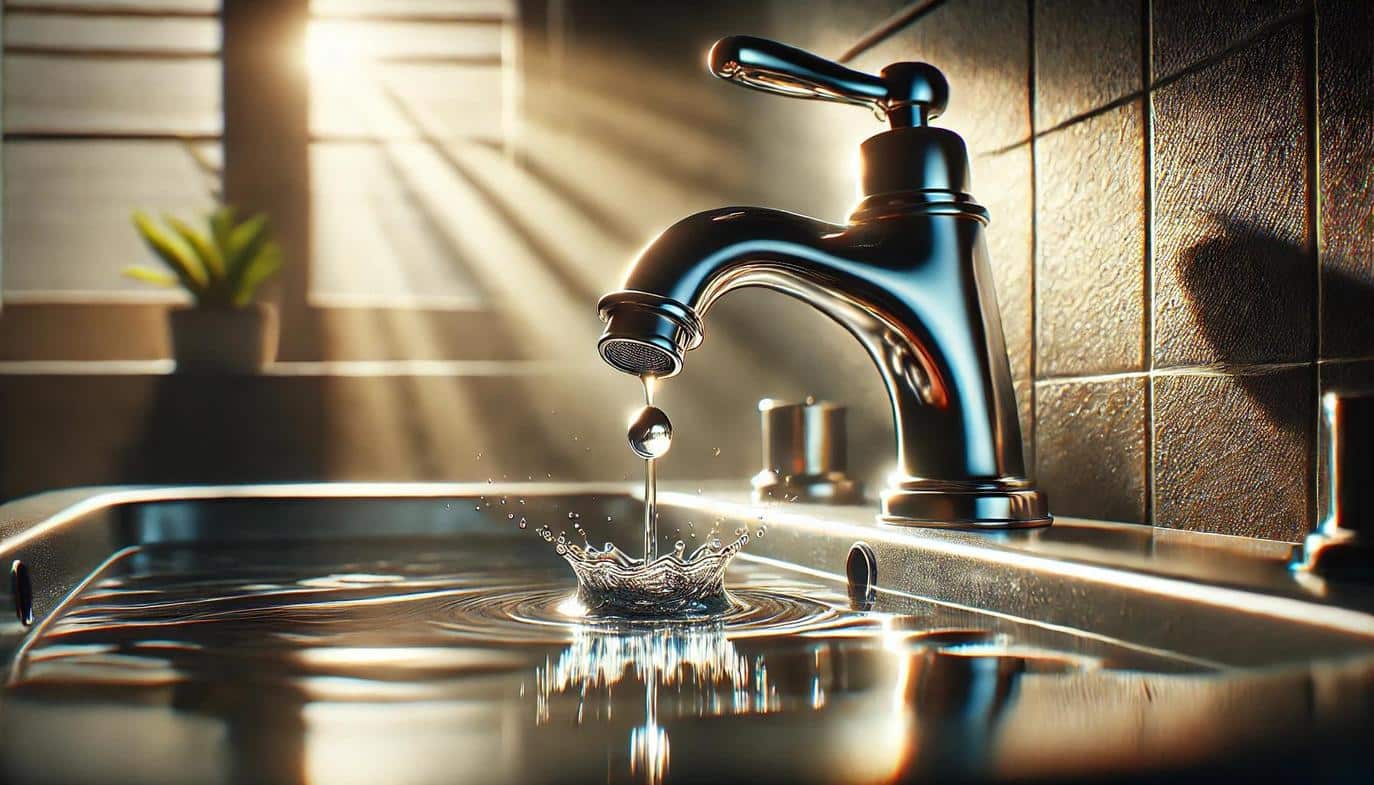
The Cost of a Drip: Why Leaking Faucets Matter
A persistently dripping faucet might appear insignificant, but the continuous water flow gradually erodes washers, seals, and the fixture itself. Apart from squandering substantial water, this steady drip can indicate underlying problems within the plumbing system.
Replacing worn parts or having a plumber service the fixture conserves both water and money. Prompt intervention also preempts hidden leaks that could spread into cabinets or walls. Families addressing drips expeditiously avert more extensive repairs later.
Water Pressure Fluctuations: Signals Your Plumbing Needs Attention
Robust water flow is frequently assumed until it abruptly diminishes. A pressure drop can indicate mineral buildup, concealed leaks, or issues with the main supply line.
Many households disregard this alteration until it escalates into a major problem.
Plumbers accurately measure pressure and identify the root cause. Occasionally, it merely involves replacing an aerator; alternatively, it can signify an underground leak. Monitoring water pressure safeguards the system from damage that remains undetected until critical.
Silent Invaders: Tree Roots and Your Underground Pipes
Large trees near water lines pose a clandestine threat. Roots perpetually extend into the soil seeking moisture. Even the tiniest pipe crack provides an access point. Once within, roots expand, separate joints, and impede water flow.
Inspections enable homeowners to detect nascent signs of intrusion before pipe bursts or collapses.
Plumbers deploy specialized camera systems into the line to confirm root presence, then employ advanced equipment for their removal.

Chemical Cleaners: The Hidden Damage to Your Plumbing
Pipes frequently suffer when potent cleaners are poured down sinks or toilets. Caustic chemicals corrode pipe linings, compromising structural integrity and reducing system lifespan. Occasionally, they only propel clogs deeper instead of offering an effective resolution.
Safer alternatives encompass enzyme-based cleaners or mechanical methods such as drain snakes. A plumber can also suggest the optimal approach tailored to the specific pipe types in the residence.
Slow Drains Speak Volumes: Recognizing Early Warning Signs
A slowly draining sink or bathtub signals impending issues. Lingering water often signifies debris accumulation within the line, even if the surface appears unobstructed. Left unattended, minor blockages can solidify, becoming significantly harder to dislodge.
Engaging a professional at the initial signs can halt the problem’s proliferation. Plumbers precisely locate and fully clear blockages. Prompt action at the first indication of slow flow mitigates strain on the entire plumbing system.
Under-Sink Surprises: Detecting Hidden Leaks and Dampness
Cabinets beneath sinks frequently contain cleaning products or storage bins, allowing leaks to remain undetected for extended durations. Damp areas within these cabinets foster mold growth, attract pests, and degrade wood. Even a minor drip from a loose joint can incur substantial repair costs if overlooked.
Regularly inspecting these concealed areas helps identify problems at their nascent stage. Replacing a loose seal or tightening a fitting proves straightforward when addressed promptly. Families incorporating this into routine cleaning habits circumvent major complications from undetected water damage.
Water Heater Wisdom: The Importance of Regular Maintenance
Water heaters operate discreetly until sediment begins accumulating at the tank’s base. This buildup diminishes efficiency, compelling the heater to expend more energy. Ultimately, this can result in leaks.
Households frequently neglect maintenance until the unit ceases to function altogether.
Annual tank flushing or scheduling a plumber for system inspection ensures reliable operation. Regular service also identifies worn components before failure. Neglecting the heater until breakdown typically necessitates an expensive replacement rather than a straightforward repair.

Protecting Your Home’s Plumbing: A Proactive Approach
Ignoring seemingly minor household habits can lead to significant plumbing issues over time. From the seemingly innocuous act of flushing non-biodegradable items to overlooking a dripping faucet, these everyday routines silently contribute to system wear and tear. A proactive stance, coupled with awareness of common pitfalls, empowers homeowners to safeguard their plumbing infrastructure, ensuring a smoother, more efficient household operation and avoiding costly, unexpected repairs.
Embracing simple yet effective changes in your daily routine is key to maintaining a healthy plumbing system. Regularly inspecting under-sink areas, properly disposing of cooking oils, and addressing slow drains promptly are all critical steps. Consulting with professional plumbers for routine maintenance, such as water heater flushing and drain cleaning, further fortifies your home against common problems. These conscious choices not only prevent stress but also preserve the longevity and efficiency of your entire plumbing network.
Common Questions About Home Plumbing Habits
What Are the Most Common Plumbing Habits That Cause Problems?
Many everyday actions contribute to plumbing issues, including flushing wipes, pouring grease down the drain, ignoring dripping faucets, and disposing of food scraps in the sink. Even slight changes in these routines can prevent significant damage and costly repairs.
How Can I Prevent Drain Clogs in My Kitchen and Bathroom?
Preventing drain clogs involves several simple steps. Avoid scraping food scraps directly into the sink, and never pour cooking oils or grease down the drain. Instead, dispose of these items in a trash bin. Regularly clean your drains with enzyme-based cleaners or mechanical snakes, rather than harsh chemicals.
Is It Bad to Flush Wipes Down the Toilet?
Absolutely. Unlike toilet paper, most wipes (even those labeled “flushable”) do not break down quickly and can accumulate in pipes, leading to severe blockages. Always dispose of wipes, dental floss, and other hygiene products in a trash bin to protect your plumbing system.
Why Is My Water Pressure Suddenly Low, and What Should I Do?
Low water pressure can indicate various issues, such as mineral buildup, hidden leaks, or problems with your main supply line. If you notice a sudden drop, it’s best to contact a plumber. They can accurately measure pressure and diagnose the root cause, preventing potential long-term damage.
How Often Should Water Heaters Be Maintained?
To ensure optimal performance and longevity, water heaters should be flushed once a year to remove sediment buildup. Scheduling annual professional check-ups can also identify worn parts and prevent unexpected failures, saving you from a costly replacement.
Can Tree Roots Really Damage Underground Pipes?
Yes, tree roots are a common cause of significant plumbing damage. They naturally seek out moisture and can infiltrate even the smallest cracks in underground pipes. Once inside, they grow and expand, causing blockages, leaks, and even pipe collapse. Regular inspections can help detect and address this issue early.

