
Daylighting systems are a powerful way to enhance natural light entering the building interiors. They utilize sunlight, minimizing the need for artificial sources while creating a more natural indoor climate. Daylighting makes for more welcoming, energy-efficient, and occupant-comfortable spaces. Recognizing these benefits can assist people and companies in developing better living and working spaces that encourage productivity. As more buildings adopt these solutions, the advantages become clearer for both occupants and building owners.
Daylighting systems bring sunlight indoors through purpose-built solutions, helping reduce energy costs while improving comfort. Here is a look at the key ways these systems improve indoor lighting naturally. From health benefits to energy savings, each advantage adds lasting value to any building. Many modern installations incorporate natural light skylight systems to maximize the reach of the sun’s rays within a structure.
What Are Daylighting Systems?
Daylighting systems are the systems or techniques that direct the sunlight inside the building. These consist of skylights, light shelves, tubular daylight devices, and reflective surfaces. They aim to let in as much light as possible while blocking glare and heat. These solutions can be implemented in different buildings, whether it be a home, office, or even a school. Good daylighting can improve the aesthetics and performance of the space.

Health Benefits of Natural Lighting
Sunshine can have a huge effect on both physical and mental health. Light from natural sources regulates rest cycles by helping your body with its own internal clock. Regular exposure to sunlight may improve your mood, reduce stress, and help individuals stay awake during the day. Sunlight has also been correlated with higher vitamin D, which is beneficial for bone health and immunity. As people spend a significant amount of time indoors, each of these benefits becomes more accessible through the implementation of daylighting systems.
Energy Savings Through Daylighting
Daylighting frequently results in a reduced reliance on artificial light, resulting in lower electricity bills. Sunlight complements or replaces electric lighting, further reducing energy consumption. Most daylighting designs are developed to transmit uniform light such that fluorescent or LED fixtures can be used minimally in the daytime. That makes them very appealing for residential and commercial buildings since big cost savings can be earned in the long run. This method enables the conservation of resources, which also lends itself to sustainability initiatives.
Improved Productivity and Comfort
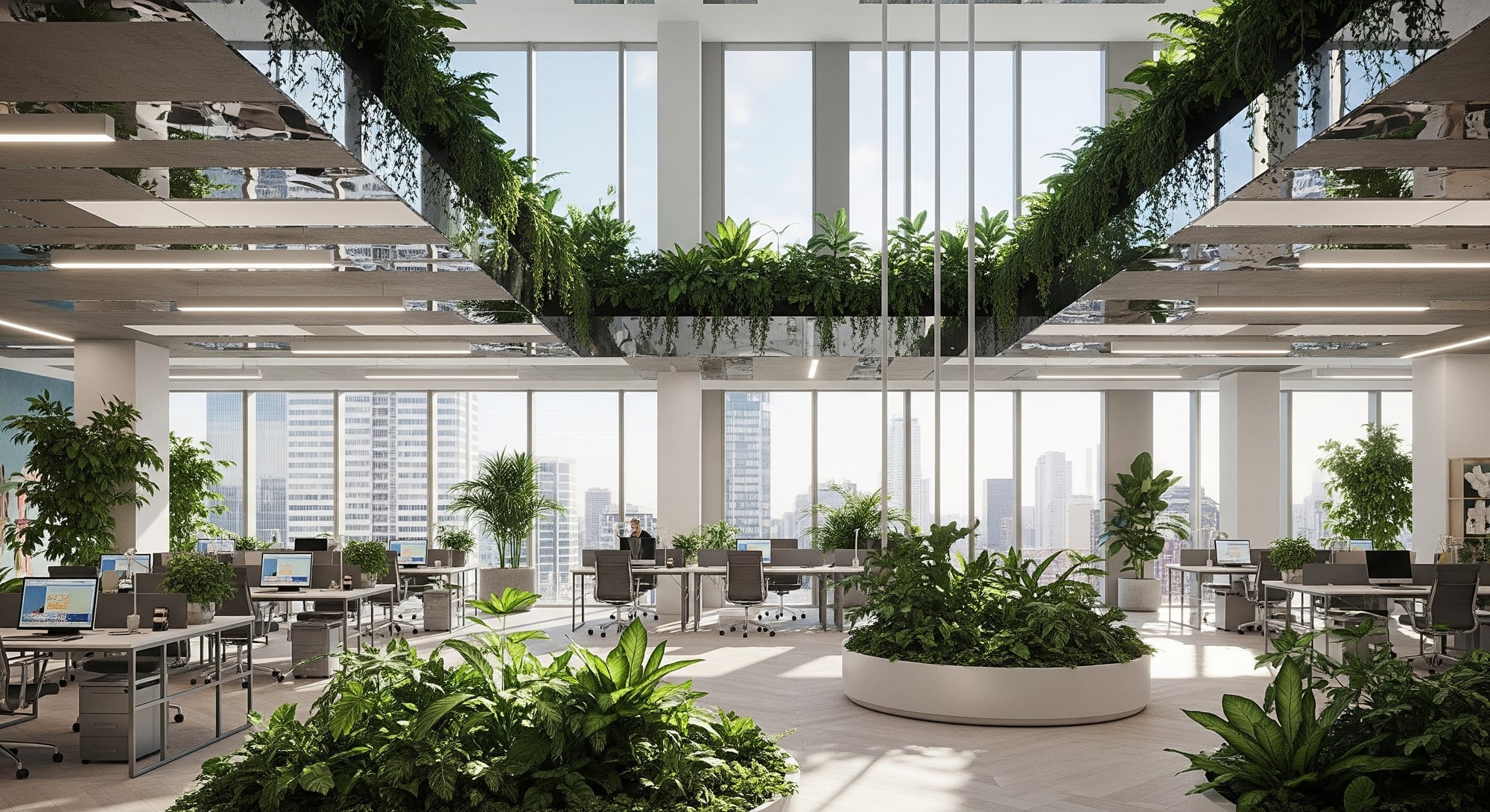
According to studies, workplaces that have lots of daylight often record increased productivity and satisfaction rates. Natural light helps in alleviating eye strain, making it easier to read, work on the computer, or meet with others comfortably. According to the U.S. Department of Energy, effective daylighting strategies can save money for homeowners and businesses by reducing the need for artificial lighting. Furthermore, research published by the National Institutes of Health highlights that workers in environments with more daylight exposure report better sleep quality and overall vitality compared to those in windowless offices. In bright, sunlit environments, occupants are more alert and concentrated. Additionally, classrooms infused with daylighting have performed better and garnered higher student engagement.
Design Considerations for Effective Daylighting
Daylight integration is all about proper planning. The effectiveness of these systems depends on factors such as window placement, orientation, and reflectivity of surfaces in the room. Computer simulations predicting sunlight during days and seasons are routine tools for designers. Light colors and reflective materials promote sunlight to travel deeper into rooms. Shading devices help prevent overheating while minimizing glare and ensuring sufficient daylight entry.
Environmental Advantages of Daylighting
Daylighting systems help reduce carbon emissions by minimizing the dependence on artificial lighting. Reducing electricity consumption decreases the amount of fossil fuel burned for power generation. These also contribute to green building certifications as they enhance the energy efficiency ratings. Urban proliferation of daylighting can offset the environmental costs of concentrated urban growth. These actions are important to help create green communities.
Challenges and Solutions
In spite of its numerous advantages, daylighting does pose some challenges. Too much sunlight might lead to glare, heating, and fading of the furniture. This is when smart shading solutions, like blinds or louvers, are useful, as they allow occupants to control the light and avoid discomfort. When it comes to advanced glazing materials, they can provide sunlight while rejecting excessive heat or UV light. These steps keep some of the benefits of daylighting while also ensuring comfort and robustness.
Conclusion
Natural and effective, daylighting systems brighten indoor environments while providing benefits for health, energy consumption, and the planet. Thoughtful integration helps create interiors that are more lively, inviting, and sustainable. Daylighting is shaping the future of building design as more people come to see these benefits. Bringing light into homes and workplaces makes them healthier, more productive, and environmentally sustainable places for all.


