
Forensic evidence often serves as the non-negotiable foundation of the prosecution’s case in modern criminal trials. Forensic science, from DNA samples to digital footprints, offers powerful tools capable of proving guilt or revealing innocence. The perceived certainty of this evidence carries immense weight in the courtroom, frequently shaping the entire narrative of a case.
However, the interpretation and reliability of such evidence are rarely straightforward. Scientific processes are subject to human error, cognitive bias, and procedural flaws. Defense lawyers must therefore approach forensic material with a sharp, analytical eye. It is their duty to understand both the potential value of this evidence and its significant limitations.
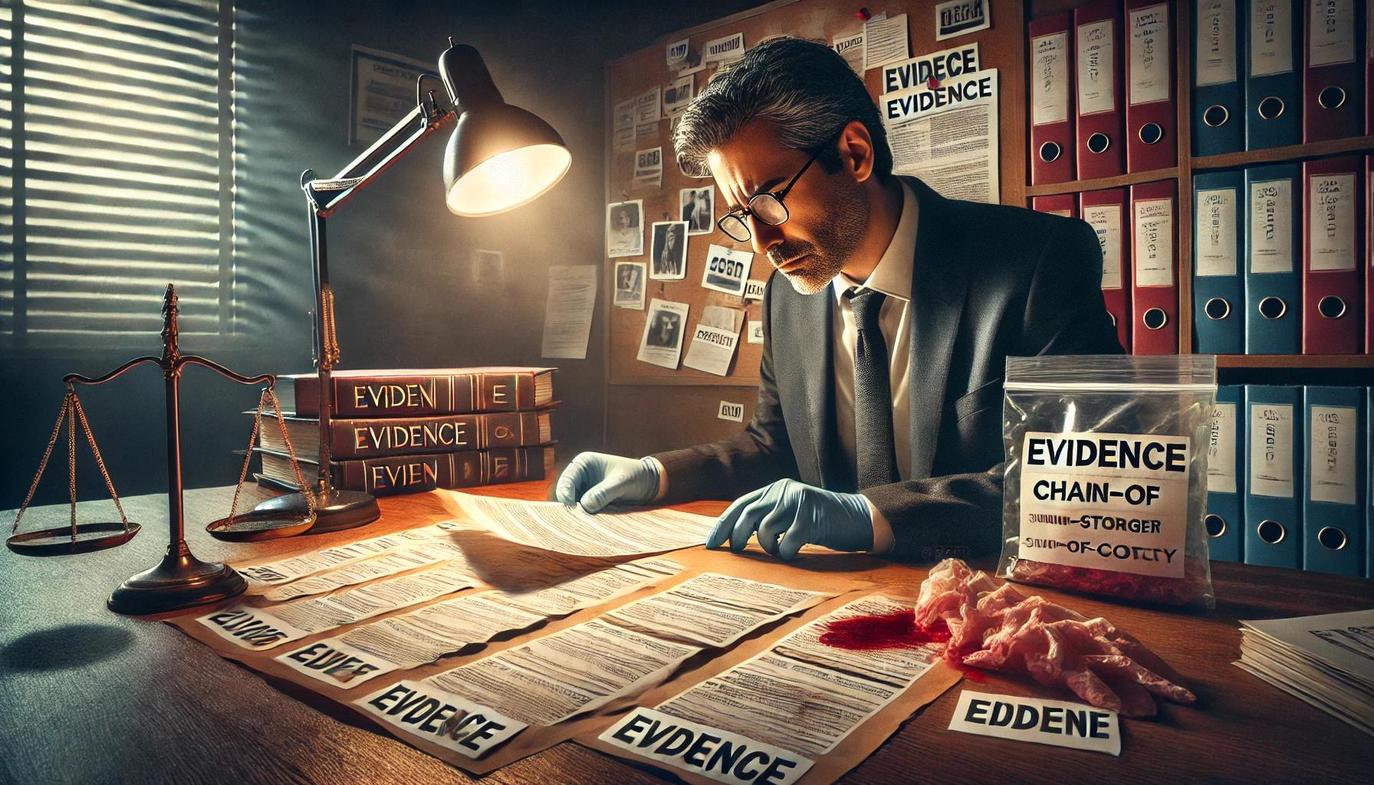
Scrutinizing the Chain of Custody and Evidence Authenticity
Assessing the authenticity of forensic evidence and the integrity of its chain of custody is a fundamental step for any Santa Ana criminal defense lawyers. Every piece of evidence collected—from fingerprints to blood samples—must be properly:
- Documented
- Stored
- Transported
If a single link in this chain is broken or mishandled, the defense can argue the evidence is unreliable due to contamination or tampering.
Reviewing Procedures and Documentation
Lawyers often scrutinize police reports, lab logs, and evidence handling procedures, searching for procedural violations or inconsistencies. They may also question whether all standard protocols were followed during the collection of evidence. A mislabeled container or an unsealed package could render crucial proof inadmissible in court.
This scrutiny is not intended to obstruct justice. Its purpose is to ensure that the evidence presented is reliable and lawfully obtained. This protects the defendant from errors or negligence that could unfairly influence a verdict.
Challenging the Scientific Validity of Methods Used
Criminal defense lawyers must stay informed about current scientific developments to effectively challenge the reliability of forensic techniques. Some methods, such as DNA profiling, are widely accepted when properly conducted, while others, like bite mark analysis and hair comparison, have been criticized for lacking consistent accuracy.
A defense attorney may challenge the forensic test by questioning if it:
- Has been peer-reviewed
- Follows recognized industry standards
- Has been reliably applied in the given context
Citing Precedent for Flawed Forensic Methods
The defense may also cite cases where similar forensic evidence was later proven to be flawed or misinterpreted. By challenging the scientific basis of the methods used, defense lawyers expose the possibility of human error or bias in the interpretation of results, reminding the court that science, while powerful, is not infallible in human hands.
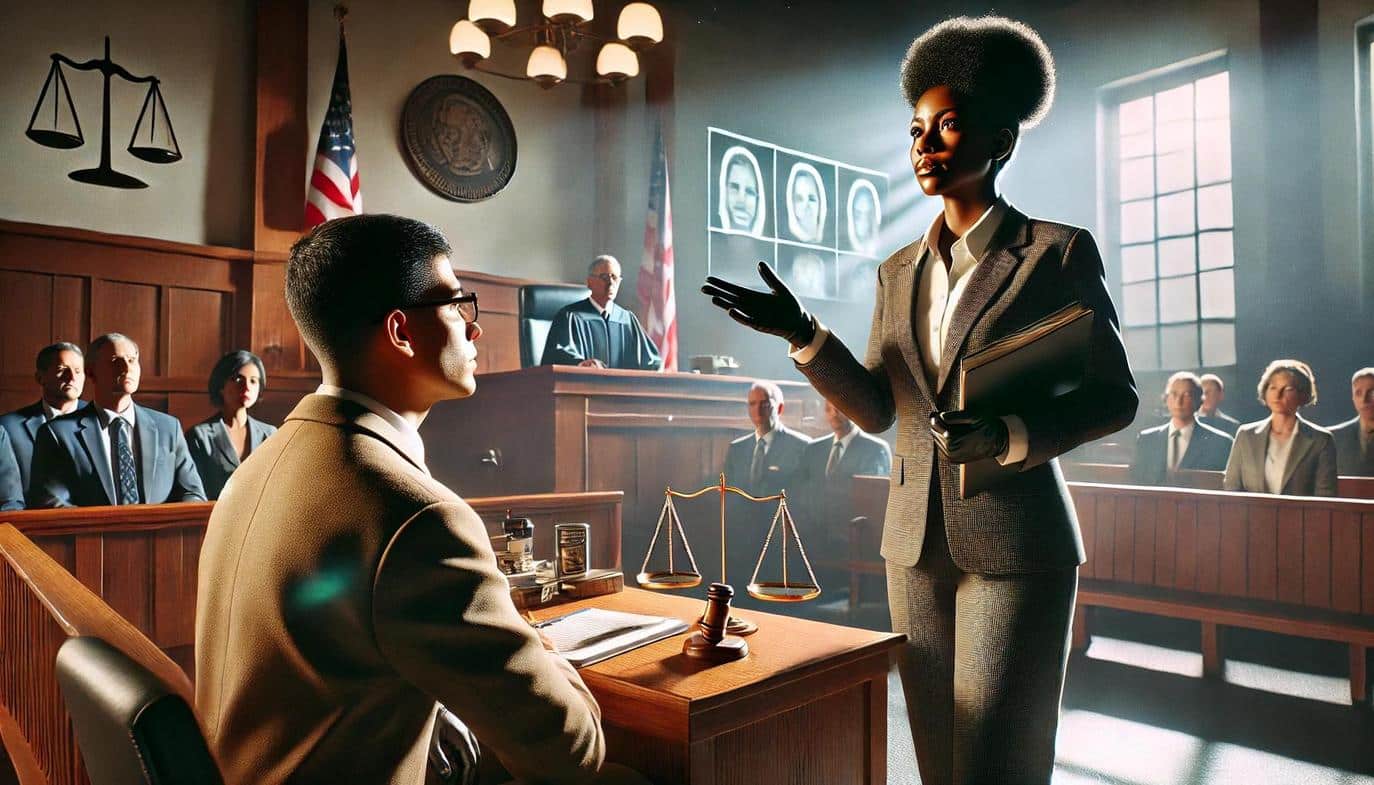
Cross-Examining Forensic Experts in Court
Forensic experts are central to explaining technical details to judges and juries. However, their conclusions are not immune to scrutiny. Defense lawyers cross-examine these experts to reveal potential weaknesses or biases in their testimony. Questions may focus on the expert’s qualifications, the laboratory’s accreditation, or the objectivity of their analysis.
Tactics for Exposing Bias and Interpretation
For instance, a defense attorney could inquire about peer review of the expert’s conclusions or consideration of alternative interpretations. The lawyer may also highlight inconsistencies between the expert’s testimony and written reports. Effective cross-examination can demonstrate that the expert’s findings are not definitive facts but are instead one possible interpretation. This strategy helps the jury view forensic evidence with critical thinking rather than blind trust. It works to ensure the verdict is grounded in reasonable doubt, not misplaced confidence in scientific authority.
Leveraging Independent Forensic Professionals for a Second Opinion
In complex cases, defense lawyers often hire independent forensic professionals to review the prosecution’s findings. These independent analysts re-examine the evidence using unbiased methods, offering alternative conclusions that may favor the defense. Such collaboration enables the defense to identify errors in data interpretation or procedural flaws missed by the original investigators.
For instance, a second DNA test might reveal contamination, or a new digital forensics review could uncover additional data suggesting another suspect.
Independent review also strengthens the defense’s credibility by presenting scientifically sound counterarguments. These professionals often testify in court, helping jurors understand the nuances of forensic science. Defense lawyers use objective scientific knowledge to make sure that the courtroom is still a place where evidence is carefully questioned, analyzed, and interpreted instead of just accepted.
Highlighting the Human Element in Forensic Analysis
Forensic evidence may be scientific, but human interpretation remains a critical component at every stage of analysis. From collecting samples at a crime scene to interpreting test results, human error or cognitive bias can influence outcomes. Defense lawyers draw attention to this human element, emphasizing that advanced technology cannot eliminate human error. For example, a lab technician under pressure might mislabel samples or misinterpret ambiguous results.
Addressing the Risk of Cognitive Bias
Additionally, confirmation bias can occur when an analyst subconsciously seeks evidence supporting a predetermined conclusion. Defense attorneys point out these risks to show that forensic evidence is not the absolute truth. Instead, it is an informed opinion shaped by human involvement.
By humanizing the process, lawyers help jurors weigh scientific findings more realistically. They remind them that justice requires careful, critical evaluation rather than blind faith in technology.
Upholding Justice Through Diligent Evidence Scrutiny
Forensic evidence holds immense power in shaping modern criminal trials, yet it is only as reliable as the people and processes behind it. Defense lawyers play a crucial role in testing, verifying, and fairly interpreting this evidence. They investigate how evidence was collected, challenge weak scientific methods, and present independent reviews to balance the courtroom narrative.
By emphasizing both the strengths and flaws of forensic science, defense attorneys protect their clients from wrongful conviction. This diligence also upholds the integrity of the justice system. Through these efforts, they remind society that true justice depends not on technology alone but on diligent human advocacy and critical examination.
Key Questions on Challenging Forensic Evidence
How Can a Lawyer Challenge the Chain of Custody?
A defense lawyer challenges the chain of custody by meticulously reviewing all documentation, logs, and handling procedures. If they find any gaps—such as improper sealing, mislabeling, or undocumented transfers—they can file a motion to suppress the evidence, arguing that it may have been contaminated, tampered with, or compromised.
Is All Forensic Science Considered Reliable in Court?
No. While some methods like DNA profiling are highly reliable when conducted properly, other techniques (such as bite mark analysis or hair comparison) have faced significant criticism for lacking scientific validity and having high error rates. A key defense strategy is to challenge the admissibility of less reliable forensic methods.
Why is Cross-Examining a Forensic Expert so Important?
Cross-examination is critical for revealing potential bias, errors in methodology, or lack of qualifications. A defense lawyer can question an expert’s conclusions, highlight inconsistencies in their report, or force them to admit that their findings are an interpretation rather than an absolute fact, which introduces reasonable doubt.
What is the Role of an Independent Forensic Professional?
Defense lawyers hire independent experts to reanalyze the prosecution’s evidence. These professionals can identify errors in the original analysis, offer alternative interpretations of the data, or use different, perhaps more advanced, methods. Their unbiased testimony provides a crucial scientific counter-narrative to the prosecution’s claims.

