
The concept of smart cities represents an approach to urban growth that harnesses technological advancements to enhance the well-being of city dwellers. Digital twin software is an essential tool in this evolution towards more sustainable cities. This article delves into the applications and advantages of utilizing twin software in the context of smart cities.
Understanding Digital Twin Software
Digital twin software functions by creating replicas or simulations of entities or systems existing in the real world. These digital twins rely on data sourced from channels to facilitate real-time monitoring, analysis, and enhancement of their counterparts. By emulating real-world entities in a setting, cities can access insights into their operations, thereby refining decision-making processes.
Utilizations of Digital Twin Software in Smart Cities
1. Urban Planning:
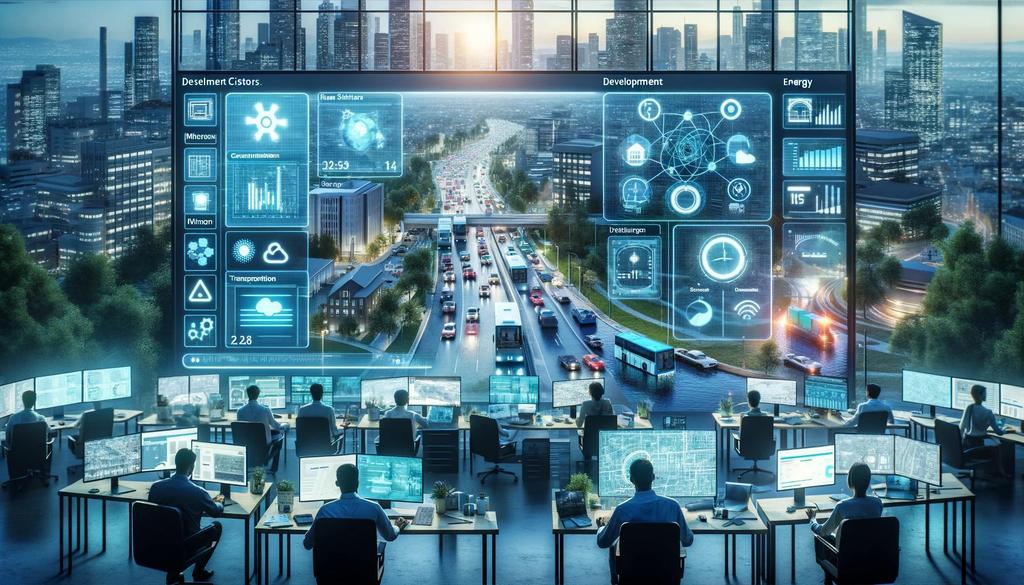
The deployment of software empowers urban planners to simulate and assess different development scenarios prior to their implementation in reality. It offers a platform for visualizing infrastructure projects, evaluating their impact on existing systems, and pinpointing challenges. Through integration with real-time data sources, digital twin technology aids in optimizing land utilization patterns, managing traffic flow efficiently, and enhancing architectural designs.
2. Energy Management:
Effective energy management plays a key role in the development of cities. Software is instrumental in monitoring energy consumption patterns across various urban structures, including buildings and streetlights. By analyzing data from sources, city officials can pinpoint areas where energy conservation efforts are needed and implement strategies to reduce carbon emissions.
3. Transportation Systems Optimization:
Optimizing transportation systems is crucial for addressing traffic congestion challenges in growing cities. Digital twin software can help transportation authorities simulate real-time traffic scenarios by integrating data from sensors placed throughout the road network, such as traffic lights, cameras, and toll systems. By utilizing modeling algorithms within the twin platform to understand vehicle movements within the city, authorities can strategically adjust traffic signal timings to alleviate congestion effectively.
4. Predictive Maintenance:
Predictive maintenance is essential for ensuring the efficiency of city infrastructure like water treatment facilities and electrical grids. Digital twin software facilitates maintenance by leveraging real-time sensor data and advanced analytics to detect faults before they lead to disruptions. Real-time maintenance teams can proactively address issues and perform timely repairs or replacements by monitoring parameters such as equipment vibrations, energy usage patterns, and asset health.

Advantages of Utilizing Digital Twin Software
The advantages of utilizing software in smart cities include:
1. Real-Time Decision Making:
The software for twins provides real-time insights that enable authorities to make decisions based on precise data. By visualizing the effects of changes before implementing them, cities can improve efficiency in areas like traffic management, utility distribution systems, and emergency response services.
2. Cost Savings:
Utilizing software allows cities to accurately predict outcomes and optimize resource allocation. By simulating scenarios in an environment, local governments can make well-informed decisions about infrastructure investments, reducing costs associated with trial-and-error approaches.
3. Enhanced Security:
Digital twin technology enhances safety by facilitating planning for emergency responses to events like disasters or accidents. It enables city authorities to evaluate risks and vulnerabilities through simulations that provide accurate spatial representations across multiple dimensions.

4. Stakeholder Engagement:
The adoption of twin technology fosters engagement between citizens and the government during the decision-making process for development projects. This collaborative approach promotes transparency among stakeholders at every level.
5. Improved Infrastructure Maintenance:
Digital twin software enables proactive maintenance of city infrastructure by providing detailed monitoring and predictive analytics. Authorities can identify potential issues before they become critical, ensuring timely repairs and extending the lifespan of infrastructure assets. This predictive maintenance helps in reducing downtime and operational disruptions.
6. Sustainable Urban Development:
Digital twin technology supports sustainable urban development by allowing cities to model and assess the environmental impact of proposed projects. Cities can optimize energy consumption, reduce carbon footprints, and design eco-friendly urban spaces. This capability aligns urban growth with environmental sustainability goals, ensuring a balance between development and ecological preservation.
Digital Twin Software and Sustainable Cities
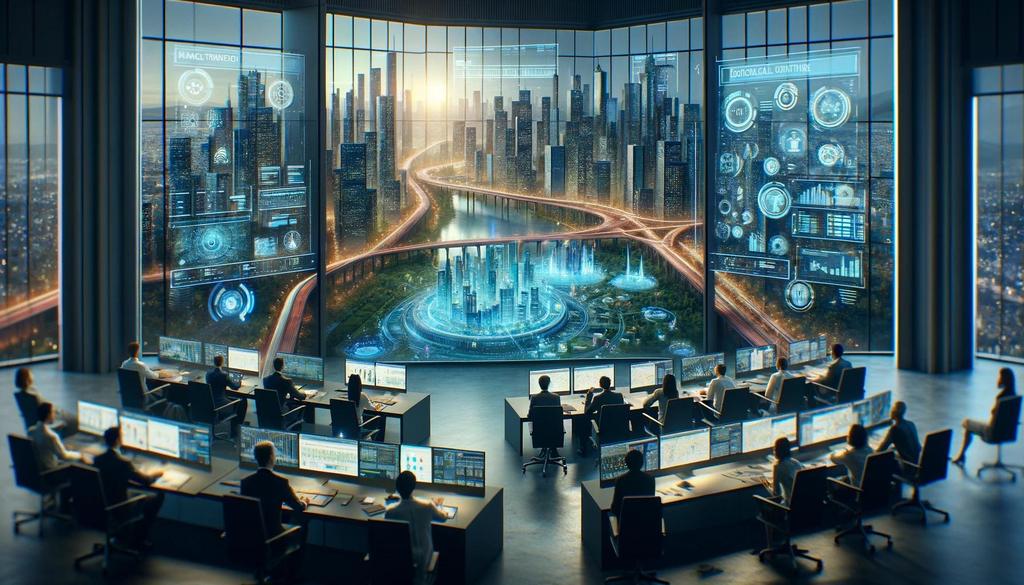
Digital twin software plays a crucial role in shaping cities by leveraging the benefits of data-driven decision-making. Cities can utilize digital twin technology to enhance systems such as transportation, energy management, and infrastructure planning. This improvement leads to more sustainable urban spaces, ultimately providing residents with a higher quality of life. The increasing significance of digital replicas for cities is clear, especially in the face of evolving urban environments.


