
For years, energy efficiency was considered a checkbox, something to comply with, report, and occasionally upgrade. Today, it stands at the core of innovation, resilience, and performance. Step into any smart building or modern industrial site, and you’ll witness how technology is no longer working in the background. Instead, you will experience precision, marking an era where innovation is the primary driver.
Energy efficiency technologies have become more than compliance tools. They represent a paradigm shift in design, defined by several core principles:
- Wise Energy Use: Every watt is used with maximum efficiency.
- Purposeful Materials: Each material is selected to react with purpose and support the system.
- System Alignment: All systems are aligned for optimal, integrated output.
This guide explores the key energy efficiency technologies shaping the future of smart buildings.

Intelligent Control with Building Automation Systems
A well-run building automation system operates with an intuitive awareness of its environment. It notices when sunlight warms a meeting room and dials back the cooling. It senses a shift in air quality before occupants even notice and adjusts the ventilation. What’s changing now is the approach in smart buildings:
- Learning Over Time: They adapt to patterns in occupancy, weather, and even nearby grid conditions.
- Unified Intelligence: Lighting, HVAC, and security are no longer managed separately; they respond as a team.
- Invisible Comfort: The goal is not to make you aware of the system but to make you forget there’s a system at all.
Modern energy efficiency technologies bridge operational teams with corporate sustainability goals. It is the closest technology has come to creating truly intelligent buildings. These systems feel aware of their occupants and are capable of responding with an almost human intuition.
Precision And Performance with Advanced HVAC Systems
An athlete knows when to sprint, when to recover, and how to use just enough energy for peak performance. Modern HVAC systems are learning the same discipline.
- Variable Refrigerant Flow (VRF) units deliver zone-by-zone efficiency like a tailored plan for each room.
- Magnetic Bearing Chillers glide with near-zero friction, slashing wasted energy and extending equipment life.
- Heat Recovery Loops transfer warmth or coolness between areas, rather than starting from scratch.
These energy efficiency technologies bring surgical precision to temperature control. For example, in a hotel, a large meeting room may demand significant cooling while guest rooms require gentle heating. Combined with heat recovery, these innovations reuse thermal energy internally, avoiding the need to create it all over again. It is precision conditioning, with every degree delivered for a specific purpose.
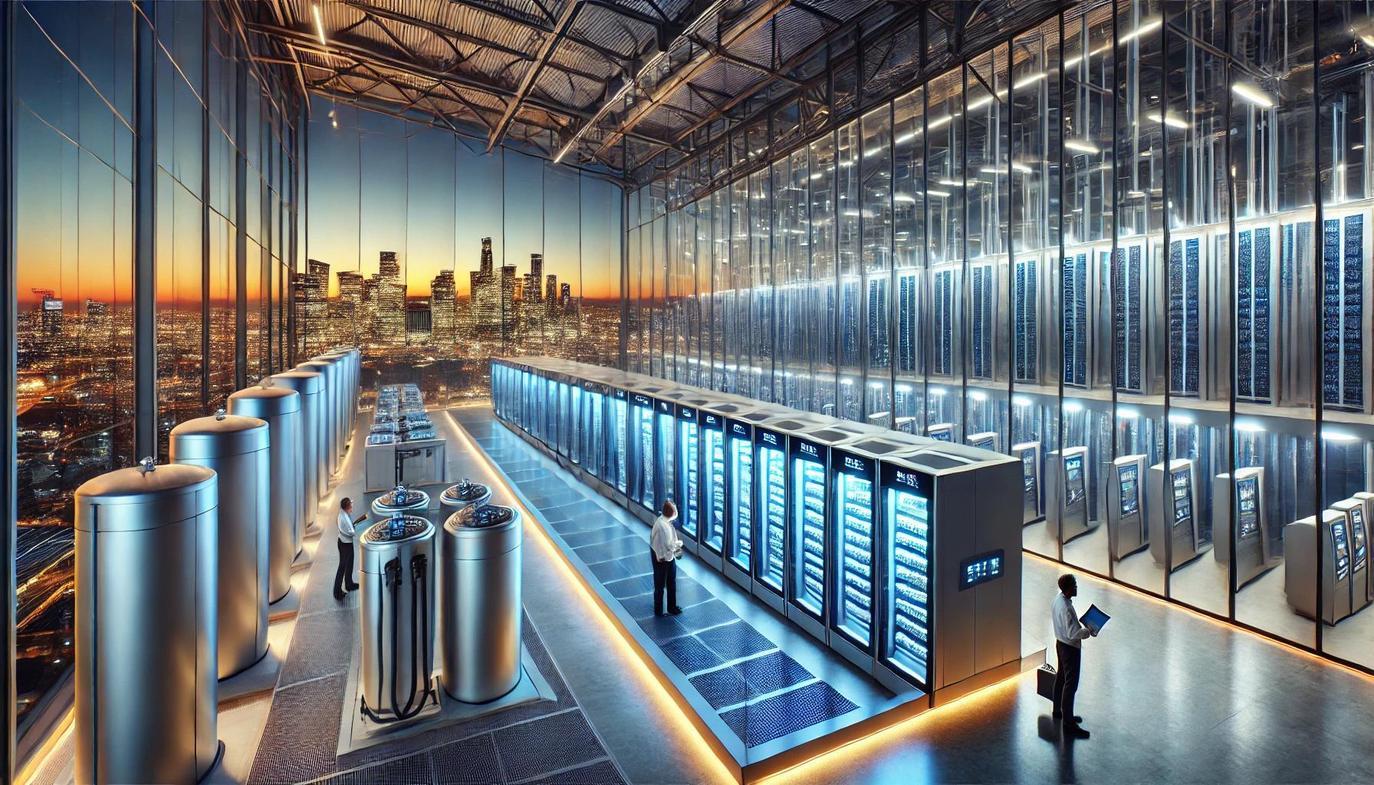
Strategic Resilience Through Energy Storage Solutions
In the past, buildings consumed what the grid supplied, no questions asked. Today, storage systems have turned into strategic partners.
- Battery Energy Storage captures low-cost, clean power during off-peak hours, then deploys it when prices or demand spike.
- Thermal Storage pre-cools or pre-heats materials like water or ice, shifting the burden away from peak hours.
- Grid Participation means a facility can respond to market signals, helping balance supply and demand.
Energy storage solutions are no longer a niche investment for renewables; they’re becoming a pillar of modern building design. With storage, facility managers can keep the critical systems running during outages. This is analogous to giving the building its own energy reserve, stocked for critical operational periods.
The First Line of Defense: High-Performance Envelopes
Walls, windows, and roofs are the first line of defense in energy efficiency. The new generation of materials is raising the standard:
- Electrochromic Glass tints itself to control glare and solar gain while preserving views.
- Vacuum-Insulated Panels (VIPs) create remarkable thermal resistance in thin profiles.
- Seamless Airtight Layers maintain consistent indoor conditions, reducing system strain.
A well-designed envelope not only retains heat in winter but also keeps cool air in during summer, creating a stable interior environment that allows systems to operate efficiently.

Human-Centric Design with Smart Lighting Systems
Lighting technology now aligns with biological needs, focusing on more than just illumination.
- Tunable White LEDs mimic the progression of sunlight, supporting alertness in the morning and relaxation in the evening.
- Occupancy and Daylight Sensors ensure light is always where it’s needed, more like practical and everyday innovation.
- Power-over-Ethernet (PoE) systems combine data and power lines, turning lighting grids into information channels.
This trend transforms lighting into a dynamic feature that actively contributes to well-being. For example, Tunable LEDs in an office help employees focus during work hours and wind down in the evening, transforming spaces into healthier, more dynamic environments.
Core Integration of On-Site Renewable Energy
Where once renewable energy was seen as an afterthought, it’s now a core component of a building design.
- Solar PV in Building Materials, from rooftop tiles to glass facades, means generation starts where the design begins.
- Small Wind Systems serve as complementary sources in areas with reliable breezes.
- Hybrid Renewable Portfolios blend sources and storage, allowing for smooth, 24/7 clean power.
Integrating renewables from the earliest design stages ensures they complement, rather than conflict with, other systems. This type of technology serves as both a structural and an energy-producing element. This dual function lowers lifecycle costs while simultaneously boosting the building’s aesthetics. The design philosophy is shifting from adding renewables to a building to designing the building itself as a renewable energy system.
Data-Driven Insights with AI Energy Analytics
The Internet of Things has equipped buildings with sensors for almost every measurable variable, and artificial intelligence is now interpreting this data.
- Continuous Monitoring identifies small inefficiencies before they escalate.
- Predictive maintenance identifies wear long before it becomes visible to the human eye.
- Automated Energy Optimization makes micro-adjustments in real time to maintain peak efficiency.
With AI-driven innovation, facility managers can shift from reactive problem-solving to proactive maintenance and performance optimization, ensuring continuous insights into energy efficiency technologies.

The Power of an Integrated Technology Ecosystem
The innovations transforming modern buildings are defined by their seamless integration. No longer siloed, technologies like advanced HVAC, smart lighting, and AI-driven analytics now function as a single, intelligent ecosystem. This collaborative approach is where the true power of modern energy efficiency lies, creating spaces that are not just compliant but are actively responsive to their environments and occupants.
The most advanced facilities of tomorrow will feel effortless, supported by this blend of engineering, data, and thoughtful design. These smart buildings maximize every unit of energy to create environments that are not only sustainable but also exceptionally comfortable and resilient, setting a new standard for performance.
Frequently Asked Questions on Smart Building Tech
What is the Greatest Advantage of a Building Automation System (BAS)?
A modern BAS has the primary advantage of unified intelligence. It integrates HVAC, lighting, and security into one responsive system that adapts to real-time conditions, which optimizes comfort and minimizes energy waste far more effectively than managing each system separately.
How Do High-Performance Envelopes Differ from Standard Construction?
High-performance envelopes use advanced materials like electrochromic glass and vacuum-insulated panels to create a highly insulated and airtight barrier. This “first line of defense” drastically reduces the workload on HVAC systems by maintaining a stable interior environment, unlike standard construction.
Is AI Necessary for Energy Analytics?
AI is essential for predictive and optimized energy management, although not strictly necessary for basic monitoring. It interprets vast amounts of data from IoT sensors to identify inefficiencies, predict maintenance needs before failures occur, and make real-time micro-adjustments that a human team could not.


