
Creating a beautiful home is about balance, personality, and expression. While some people lean into sleek minimalism and others prefer the comfort of traditional design, one of the most versatile and enduring approaches is to mix modern and vintage décor. By thoughtfully blending pieces from different eras, you can create a space that feels warm, stylish, and timeless rather than tied to one particular trend.
Whether it’s the clean lines of a contemporary sofa paired with a rustic antique coffee table or vintage lighting hanging over a newly renovated kitchen island with chic breakfast bar stools, the effect is most powerful when contrasts complement one another. When done well, this combination brings depth, texture, and soul to your interiors.
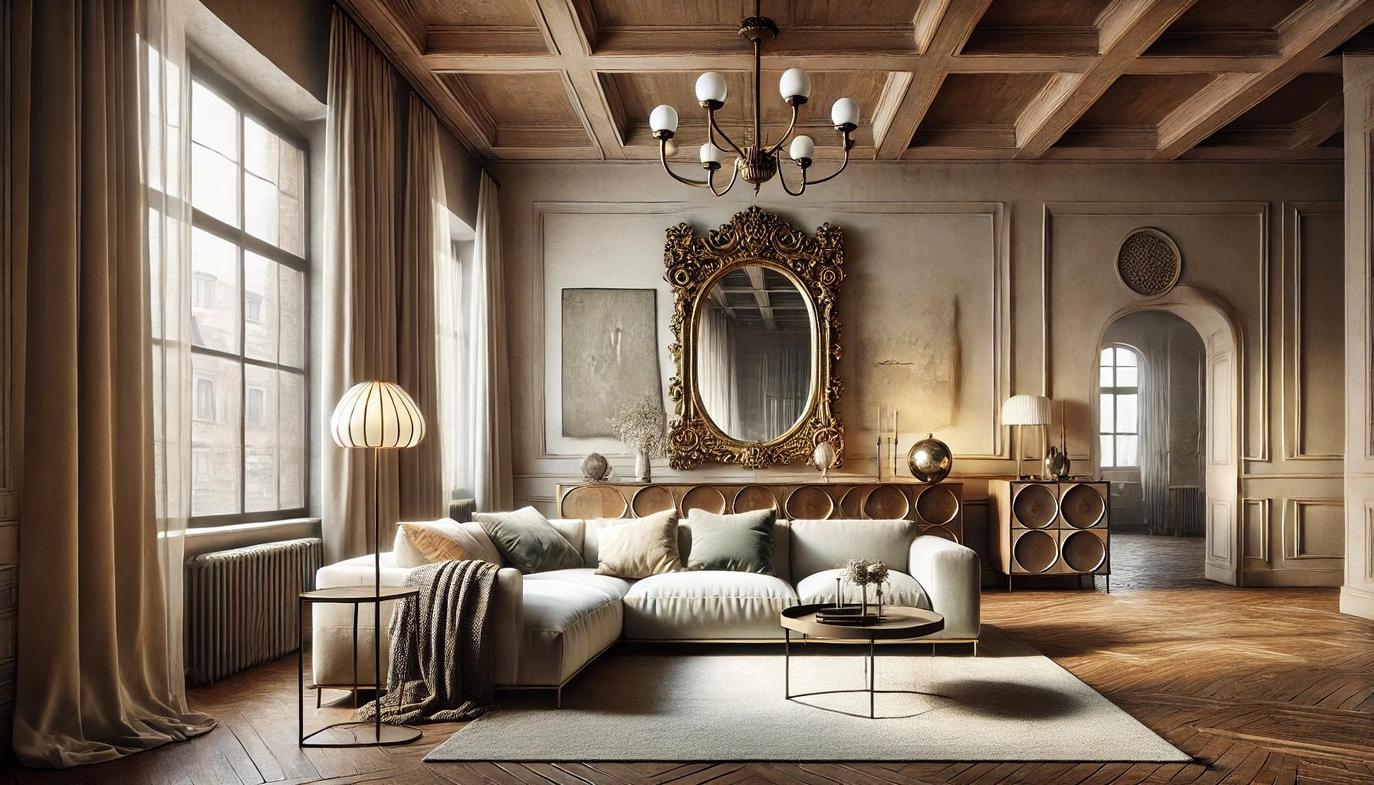
The Appeal of a Modern-Vintage Blend
The charm of mixing modern and vintage comes from the dynamic interplay between the two styles. Modern décor often brings a sense of simplicity, functionality, and a crisp aesthetic. On the other hand, vintage décor adds character, history, and unique details. Together, they prevent a home from feeling too clinical or too dated.
Some of the main benefits include:
- Timelessness: Instead of leaning on a single era’s design trends, you create a layered look that doesn’t go out of style quickly.
- Uniqueness: Vintage pieces are often rare or custom, meaning your home won’t look like a showroom or catalogue.
- Sustainability: Incorporating pre-loved furniture and décor supports a more eco-friendly lifestyle.
- Balance: The warmth of vintage softens modern minimalism, while modern finishes can make antiques feel fresh and relevant.
Mastering The Art of Balance
The key to successfully mixing modern and vintage décor is striking the right balance. Too much of one can overwhelm the other, leaving the space either cluttered or sterile. A reliable guideline is to decide on a dominant style—modern or vintage—and then layer in pieces from the other category. For example, in a sleek, modern living room, an ornate antique mirror or vintage rug can become the standout feature.
Balance also means thinking about scale, proportion, and cohesion. A heavy vintage oak sideboard may pair beautifully with slim modern dining chairs, but two large statement pieces from different eras in the same room can end up clashing.

Practical Strategies for Blending Styles
Mix Furniture Styles Thoughtfully
Choose a few statement vintage pieces and surround them with more modern elements to avoid overcrowding the room. For instance, a mid-century armchair can sit comfortably beside a contemporary sofa, while a streamlined glass coffee table keeps the overall look fresh.
Use Vintage Accessories as Accents
If you’re not ready to invest in larger vintage furniture, start small with accessories. Items like retro lamps, antique picture frames, or old-world ceramics bring character without overwhelming the modern foundation of your décor.
Blend Through Colour and Material
Unify old and new colour palettes and materials. A distressed timber dining table works well when paired with modern matte black lighting or contemporary fabric chairs. Similarly, a modern kitchen with marble benchtops can feel more inviting with the addition of timber stools or a rustic vintage shelf.
Focus on Functionality
Ensure your décor works for modern living. A vintage desk, for example, can be paired with a sleek ergonomic chair to create a workspace that feels both stylish and practical.
Layer Textures for Depth
Vintage often brings softer, more tactile finishes such as distressed woods, worn leathers, or woven fabrics. Pairing these with modern, sleek materials like polished stone, glass, or stainless steel creates depth and visual interest.
Room-By-Room Inspiration
The Living Room
This is often the easiest space to experiment with mixing styles. Consider these pairings:
- Modern Sofa with a Vintage Rug: This instantly brings comfort and warmth.
- Contemporary Media Unit with a Heritage Armchair: This balances a sleek element with a piece that adds personality.
The Kitchen
Kitchens are traditionally sleek and functional, but introducing vintage elements can prevent them from feeling too cold. Effective additions include:
- Industrial Vintage Lighting: Pendant lights can serve as a striking focal point.
- Antique Glassware: Accessorise open shelving to add character and history.
The Bedroom
Vintage side tables or a wrought iron bed frame can sit beautifully alongside modern linen bedding and minimalist wardrobes. Mixing textures here—like soft cotton with distressed wood or brass details—creates a cosy yet elegant atmosphere.
The Bathroom
Modern bathrooms often rely on clean lines and neutral palettes. Adding specific vintage touches can transform the space into a retreat full of charm:
- An ornate mirror
- Antique light fixtures
- A classic clawfoot bathtub
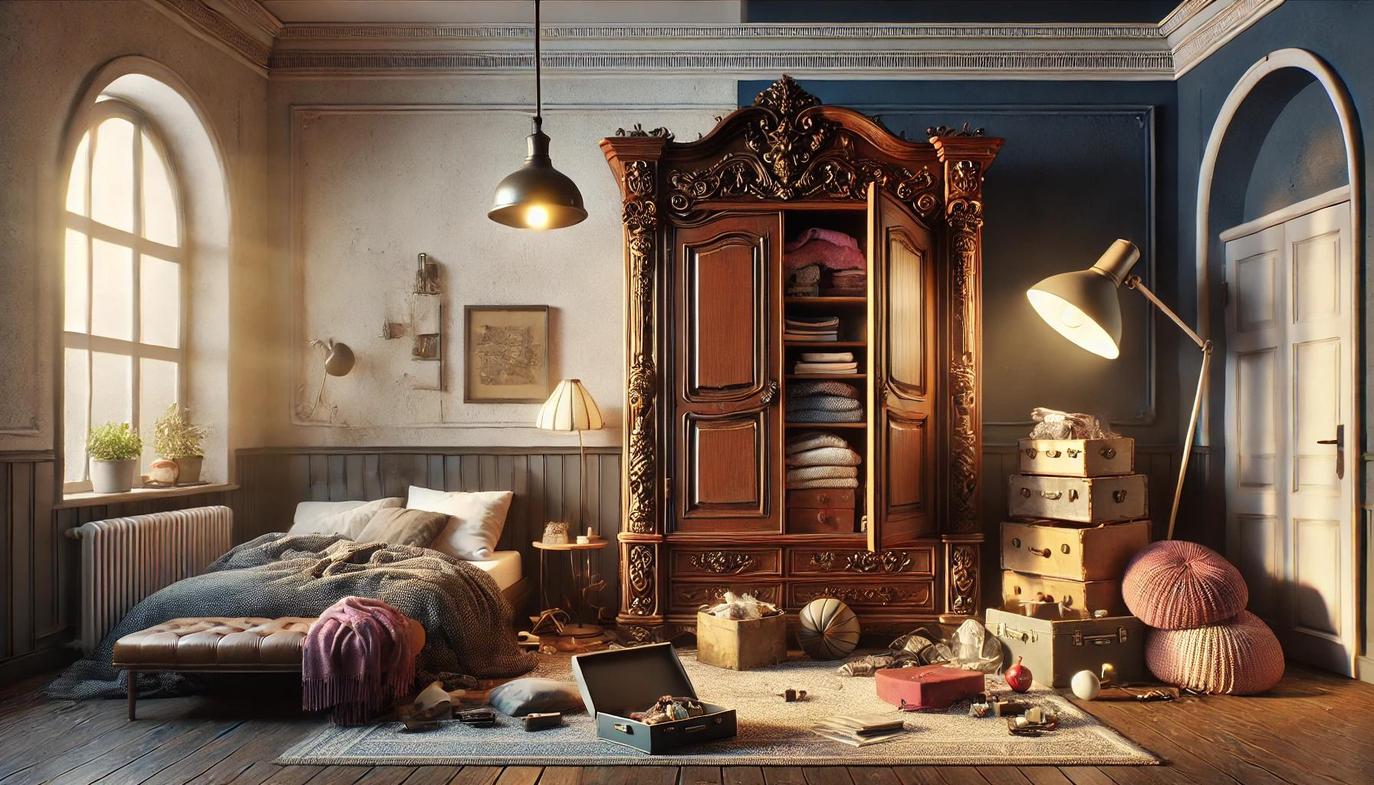
Key Design Mistakes to Avoid
- Overcrowding: Too many vintage pieces can make a space look cluttered or dated.
- Ignoring Scale: Ensure furniture sizes and proportions complement each other. For example, a heavy antique wardrobe might overpower a sleek modern bed if not balanced correctly.
- Mixing Without Cohesion: Aim to have at least one unifying element, such as a colour palette, material, or theme, to tie everything together.
- Going Too Trendy: Stick to modern pieces with clean, classic lines rather than those heavily influenced by fleeting trends. This ensures longevity in your décor.
A Smart Guide to Shopping for Vintage Pieces
- Look for Quality: Solid wood, real leather, and handcrafted details are worth investing in.
- Embrace Imperfections: Scratches, patina, and slight wear often add charm and authenticity.
- Mix High and Low: Combine investment pieces like an antique dining table with more affordable modern seating.
- Check Scale and Proportion: Measure carefully to ensure vintage items suit the dimensions of your modern spaces.
- Be Patient: Finding the right piece may take time, but the result is a more curated and personal space.

Your Guide to Timeless, Personal Style
The real strength of mixing modern and vintage décor lies in its flexibility and capacity for personal expression. There is no rigid formula; instead, guiding principles around balance, colour, and texture allow you to create a space that feels both cohesive and full of character. By thoughtfully blending eras, you can design an interior that is fresh, inviting, and truly timeless.
A well-designed home should reflect the personality of those who live there. Incorporating vintage finds alongside modern pieces creates a visually engaging space and allows your home to tell a story through layers of history and personal style. When executed with care, it is an approach that never feels dated and evolves gracefully with you.
Your Top Questions on Mixing Décor Answered
What Is The 80/20 Rule in Mixing Modern and Vintage?
The 80/20 rule is a popular guideline where you choose one style (either modern or vintage) to make up 80% of your room’s decor. The remaining 20% is then composed of pieces from the opposite era, which act as accents and create a balanced, layered look without causing visual confusion.
How Do I Keep the Room from Looking Cluttered?
The key is to be selective with your vintage pieces. Choose a few high-impact “statement” items rather than filling the room with many small objects. Additionally, maintaining a consistent colour palette can help unify different styles and prevent the space from feeling chaotic.
Can I Mix Pieces from Different Vintage Eras?
Yes, you can, but it requires a careful eye. The most successful approach is to find a common thread to link them, such as a shared material (like dark wood), a similar colour, or a consistent level of formality. For example, a Victorian-era mirror might work with a mid-century modern console if they share a similar wood tone.

