
In the modern game of pickleball, where reaction time is measured in milliseconds, the paddle has evolved from a simple accessory into a highly engineered piece of performance equipment. The choice of a paddle directly influences a player’s ability to generate power, control dinks, and react instantly in fast-paced exchanges at the net. For players looking to gain a competitive edge, understanding the subtle physics behind paddle construction is no longer optional—it is essential.
This guide moves beyond marketing claims to provide a detailed analysis of the core components that dictate a paddle’s on-court behavior. We will deconstruct the roles of materials, weight and balance, surface texture, and internal core composition. By understanding how each of these elements contributes to speed, spin, and feel, players can make an informed decision and select a paddle that truly complements their individual style of play.
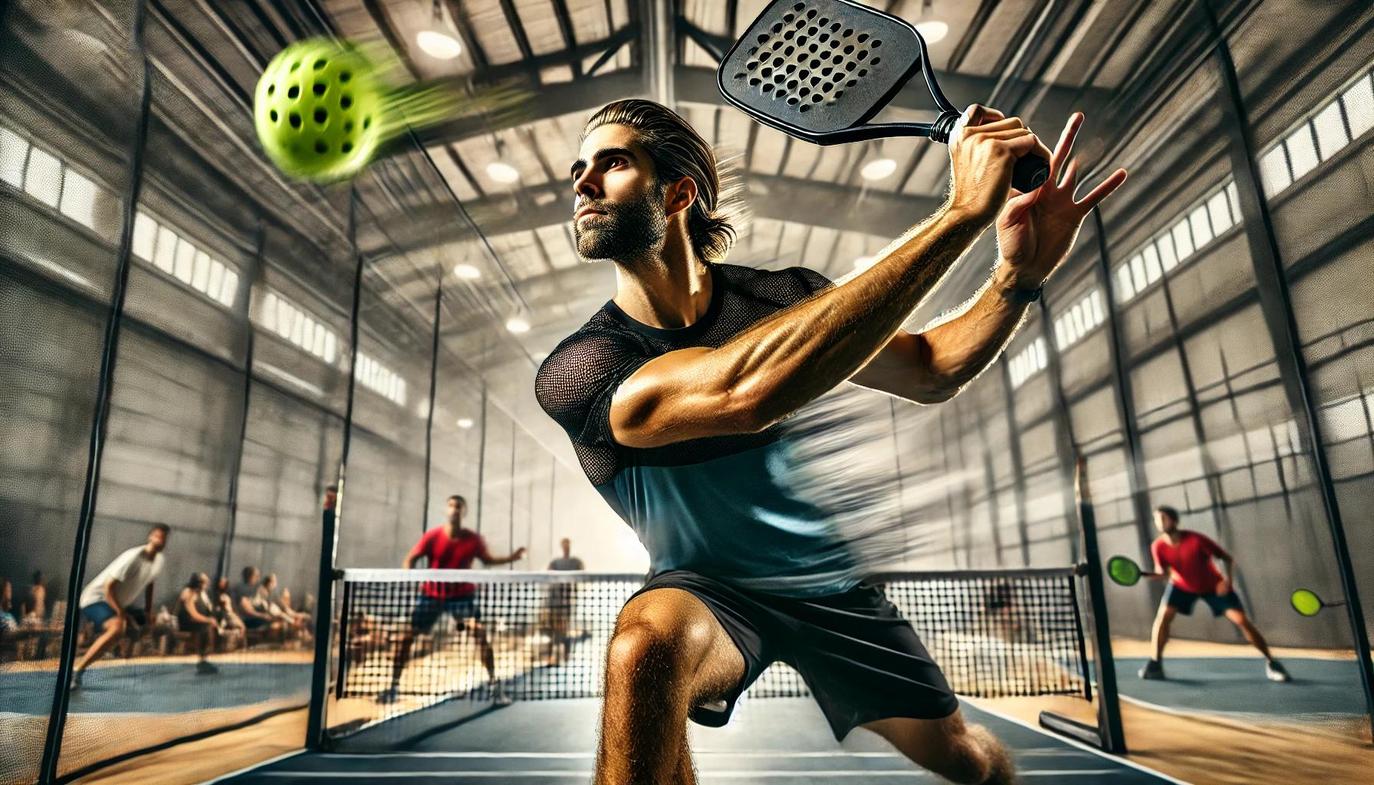
The Need for Speed: Why Reaction Time Matters
Modern pickleball punishes hesitation. Fractional delays lead to missed dinks, lost drives, and blown passing shots. The margin between contact and a clean winner can be as narrow as a blink. That’s why paddle construction is more than a craft; it is a critical performance tool.
Mass, surface, and balance dictate how quickly the hand accelerates through the ball. In a high-tempo pro rally, a player at the net can block, redirect, and counter four balls in under three seconds. The right equipment lets them do it without feeling late on impact.
Paddle Materials: A Breakdown of Composite vs. Wood
Composite paddles dominate the competitive scene for a reason. Fiberglass, carbon fiber, or hybrid blends provide crisp rebound and sharper feedback, letting skilled hands fine-tune contact. Pop comes quicker, and the vibration patterns offer nuanced touch. Wood, while rugged and often heavier, mutes feedback and can feel slow to maneuver in extended exchanges.
Some appreciate its sheer durability and old-school solidity, but tournament players typically trade that for the explosiveness of composites. The difference shows in lateral quickness at the net and in recovery time after wide volleys. The choice of material, more than any other factor, determines the paddle’s core performance characteristics.
The Physics of Feel: Deconstructing Weight and Balance
A few ounces change everything. Swing a paddle on the heavier end, and the ball jumps off with built-in power, though reaction time suffers in tight hand battles. Go lighter, and volleys become lightning-fast, yet deep drives may lose some velocity. Balance points shift the feel even further:
- Head-heavy setups impart extra plow-through on smashes.
- Evenly balanced frames feel more neutral in transitions.
- Head-light builds shine in frantic exchanges where the paddle must snap back into position.
Adjustments, measured in grams, can determine the difference between dominating an opponent and being late to the ball.
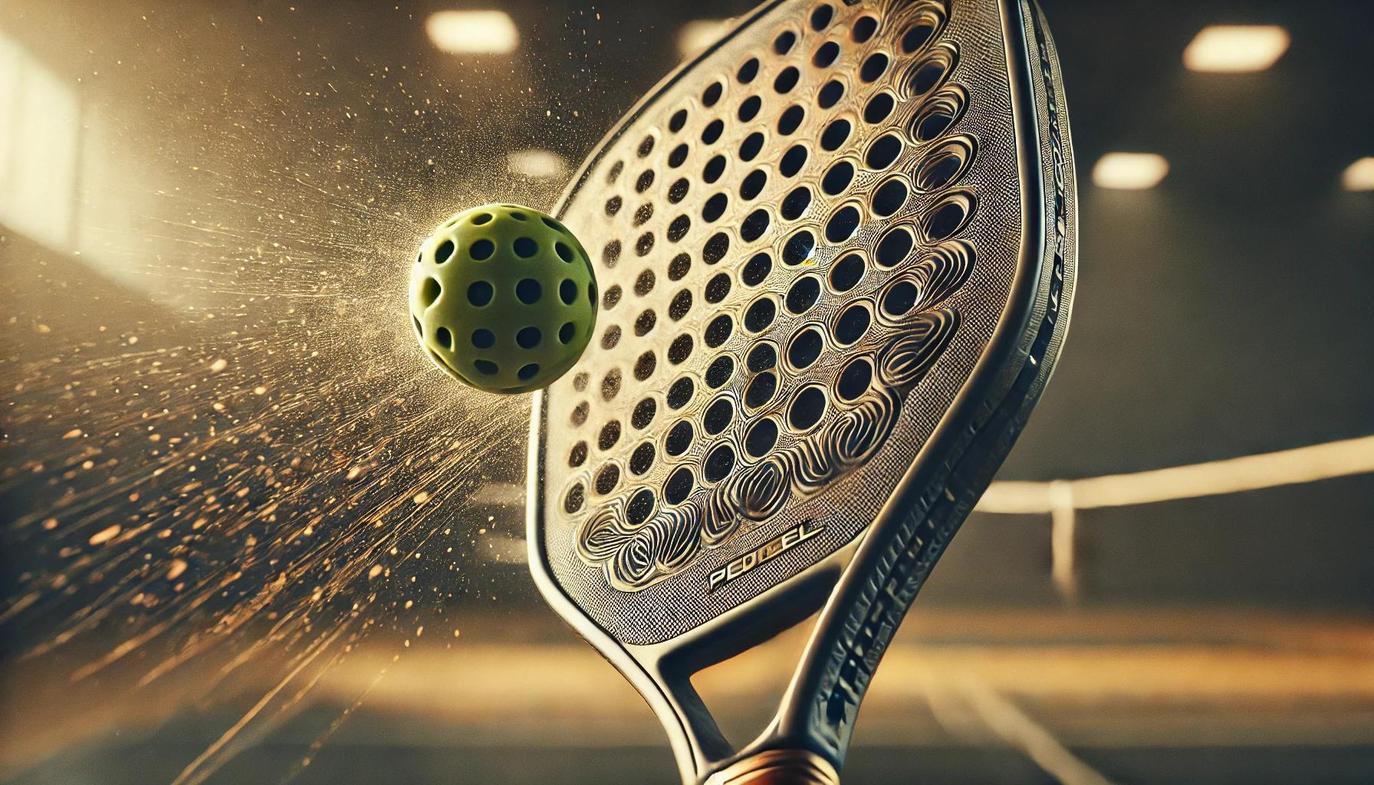
The Science of Spin: How Surface Texture Creates an Edge
Surface texture is the quiet conspirator behind wicked spin. Grit and micro-patterning grip the ball’s skin, holding it just long enough to bite into the cloth. The deeper the texture, the higher the spin ceiling. Smooth-faced paddles make for clean contact but yield flatter trajectories and less curve on drop shots.
Rougher finishes enable sharp topspin that dives inside the baseline or slicing backhands that skid low. Those extra rotations expand a player’s shot palette, allowing disguised pace changes and sharper angles without telegraphing intent. Texture is not decoration; it is a direct link to tactile variety.
Inside the Paddle: How Core Composition Dictates Power
The paddle’s core dictates how energy moves from the swing to the ball:
- Polymer honeycomb offers a softer, forgiving feel with extended dwell time, ideal for control.
- Nomex brings stiffness and a louder pop, sending energy back in a quick burst for more power.
- Aluminum sits in between, blending touch and firmness but with slightly more feedback vibration.
Core stiffness not only affects power but also comfort in the joints. Softer cores shield the elbow on repeated volleys. Stiffer ones demand precision yet reward with punishing drives. This engineering determines the paddle’s acoustic feedback and power profile on every strike.

Finding the Value: A Guide to Pricing vs. Performance
The price ladder is both real and easily noticeable:
- Entry-level paddles use basic materials, with plain cores and minimal texture.
- Mid-range versions incorporate some pro-level technology but use simpler layups to manage cost.
- Top-tier models combine exotic fibers, precision layering, and tight manufacturing tolerances.
Buying purely on price is foolish, but ignoring it is equally shortsighted. Those who play three times a week will extract far more value from a premium build than the occasional recreational player. For a clear view of what’s available across all budgets, explore pickleball paddles and note how build quality and features evolve with price. Match the investment to the court hours you actually log.
Beyond the Factory: The Rise of Paddle Customization
The aftermarket is growing bolder with common customizations, including:
- Edge guards that add toughness without a significant weight penalty.
- Over-mold grips to tailor thickness and tack.
- Replacement grip cores with different shapes and tapers to alter hand alignment.
On the high end, some builders now offer CNC-milled faces designed to fine-tune balance and flex. Others let buyers choose laminate sequences for targeted performance traits. Every tweak changes how the paddle sits in the hand and responds under pressure. Smart players utilize demo programs to experience these variables rather than trusting a spec sheet alone.
Synthesizing Your Competitive Edge
Every element of a paddle feeds into its overall performance:
- Material determines the foundational response.
- Weight and balance set the reaction tempo.
- Surface texture unlocks spin strategy.
- The core directs power flow and comfort.
- Price frames the level of accessible refinement.
A ruthless self-audit is the most effective approach: map what your current paddle delivers and where it falls short. Rank your top priorities—speed, spin, touch, or shock absorption—and select models that align with those needs. Ultimately, the right gear is not a shortcut but a multiplier for a player’s existing skill. Those who understand the physics behind their tools develop tactical advantages their opponents may not anticipate.
Frequently Asked Questions About Paddle Technology
How Does Paddle Weight Directly Impact Performance?
Paddle weight is a trade-off between power and reaction speed. Heavier paddles (typically 8.0 oz and above) generate more power with less effort but can be slower in rapid-fire exchanges at the net. Lighter paddles (under 7.8 oz) offer superior maneuverability and quickness for fast volleys but require the player to generate more of their own power on drives and smashes.
What Is the Main Difference Between Polymer and Nomex Cores?
The core material dictates a paddle’s feel and power transfer. Polymer honeycomb cores are the most common, offering a softer, more forgiving feel with a larger sweet spot and reduced vibration, which is good for control. Nomex honeycomb cores are stiffer and denser, providing a louder “pop” and more direct power, which rewards precise, aggressive players.
Can a Textured Surface Really Improve My Spin?
Absolutely. A textured paddle surface, whether from grit paint or a raw carbon fiber finish, grips the ball for a fraction of a second longer upon impact. This increased dwell time allows the paddle face to impart more rotations on the ball, resulting in heavier topspin on drives and sharper bite on slice and cut shots.

