
Most species would not be able to survive in sulfur caves, brine pools, and hydrothermal vents that contain sulfuric acid gases, high temperatures, high salinity, hydrogen sulfide, and methane. However, researchers have discovered species thriving in these toxic environments. These organisms that live in such extreme environments are called extremophiles.
Sulfur Caves
Deep underground, inside one of Colorado’s toxic caves filled with poisonous sulfur gas, biologist David Steinmann found a new species of blood-red cave worm in 2007. He named the worm Limnodrilus sulphurensis after their hellish, gaseous environment. Sulfur acid is so strong it could burn holes in your clothes, but that doesn’t bother these worms.
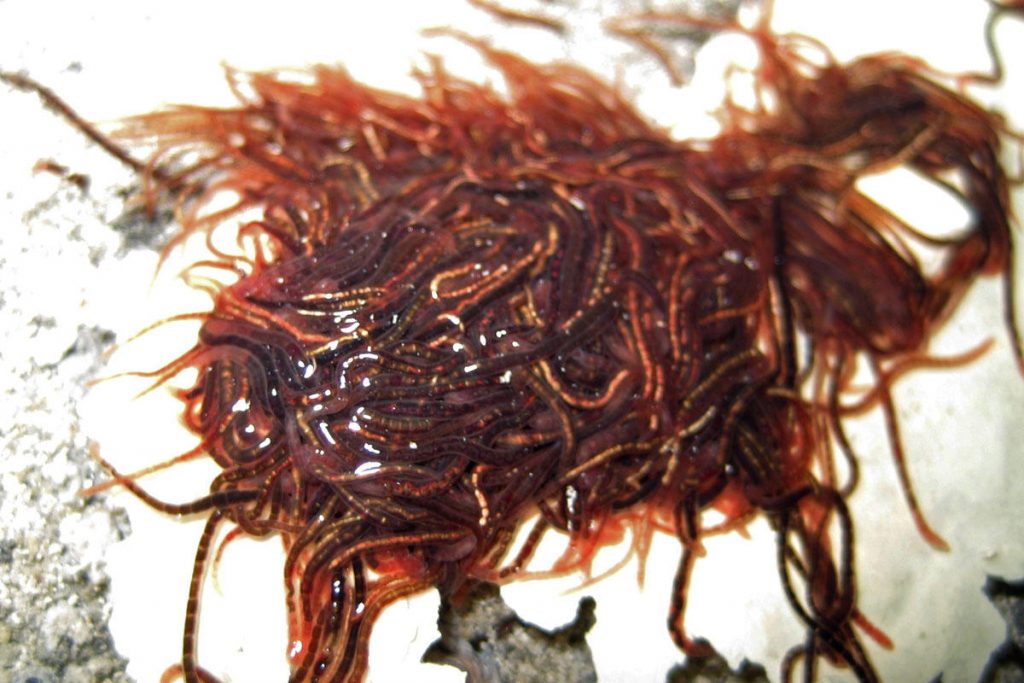
The red worms survive by eating sulfur-oxidizing bacteria. Along with these worms, the environment also contains microbes, beetles, spiders, flies, and other extremophilic insects, forming a chemotrophic ecosystem that exists independently of the Sun’s energy.
Brine Pools
Brine pools are underwater lakes found thousands of feet below the surface of the Gulf of Mexico on the seafloor, while some are found in other parts of the world, including the Antarctic Shelf. Similar to bodies of water on land, these lakes have distinct surfaces and shorelines. They form inside the ocean because very salty water is denser than the surrounding seawater.
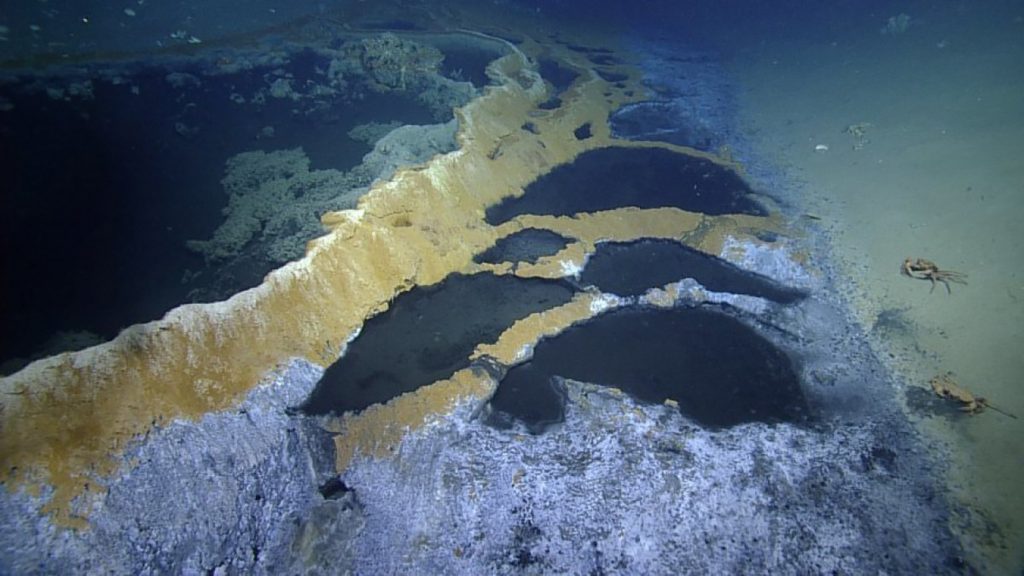
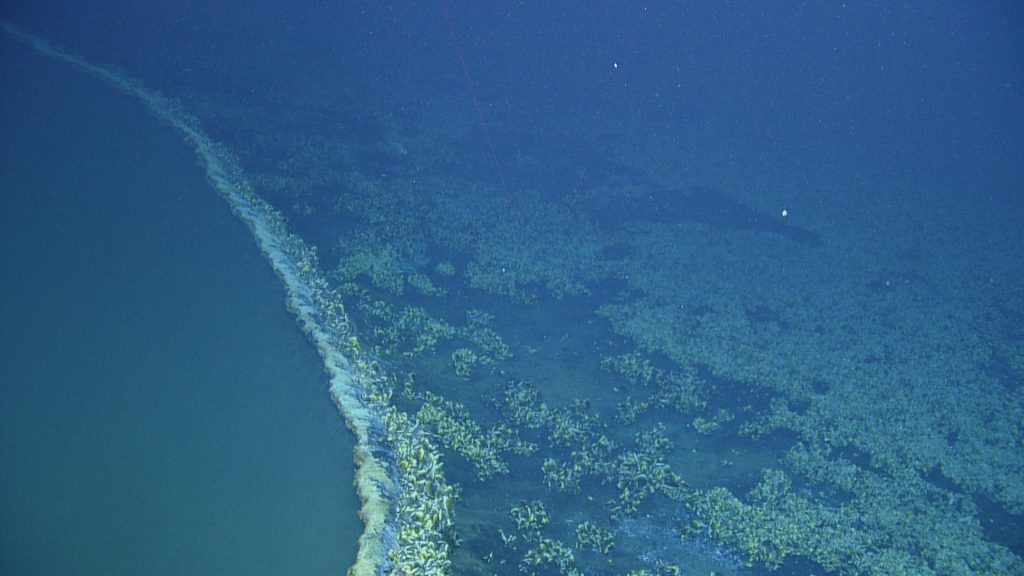
Dubbed the “Hot Tub of Despair,” these pools are made up of super-salty water and dissolved methane, which kills anything that falls inside. However, some extremophilic microbes have been found living in this salty water.
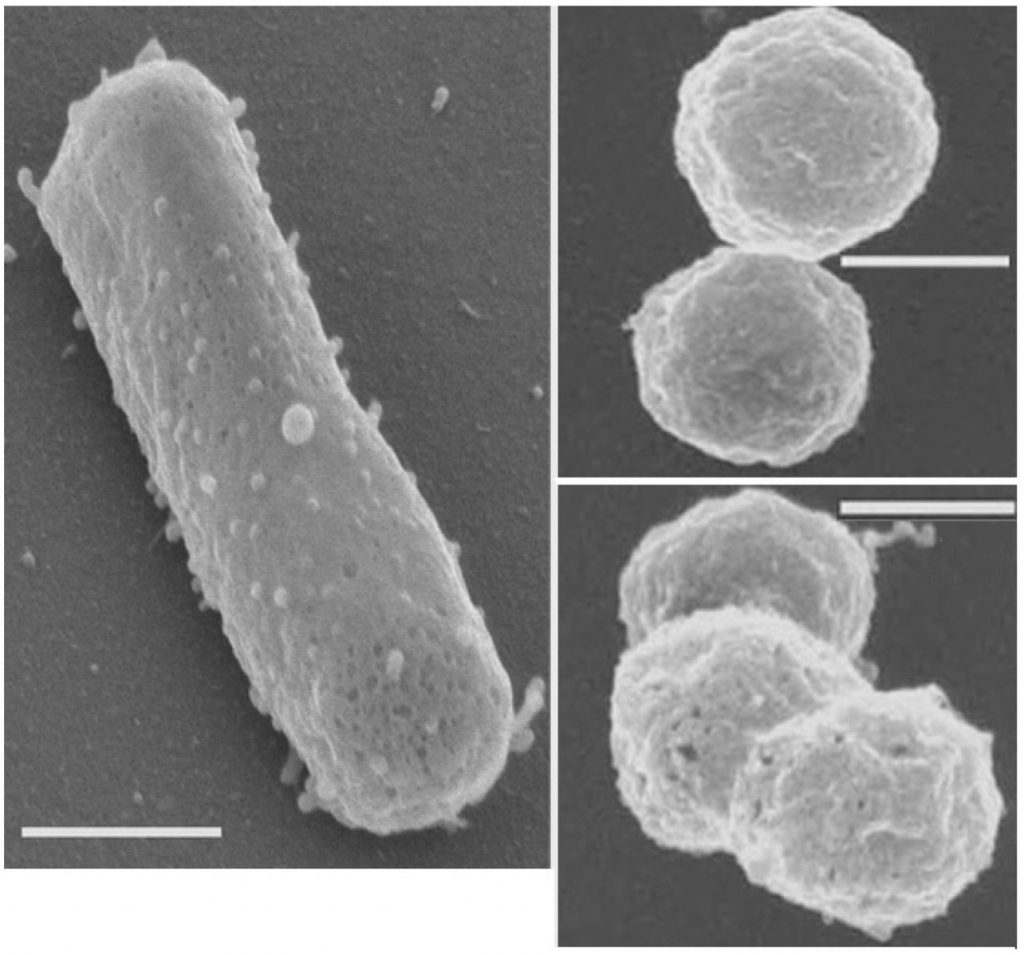
While researchers were investigating brine pools in the Kebrit Deep, located in the northern Red Sea, they found bacterial and archaeal life in the deadly brine, including an organism dubbed halophiles. Halophiles are extremophiles because they live in extremely high salt concentrations, which would kill most species.
Mussels live on the edge of brine pools, which helps keep their outer walls intact. The mollusks can obtain all of the energy they need for survival and growth from methane gas bubbles, which seep from the pool. The mussel’s gills contain bacteria that convert methane into carbon for building tissues and for providing energy to support metabolism and growth.
Hydrothermal Vents
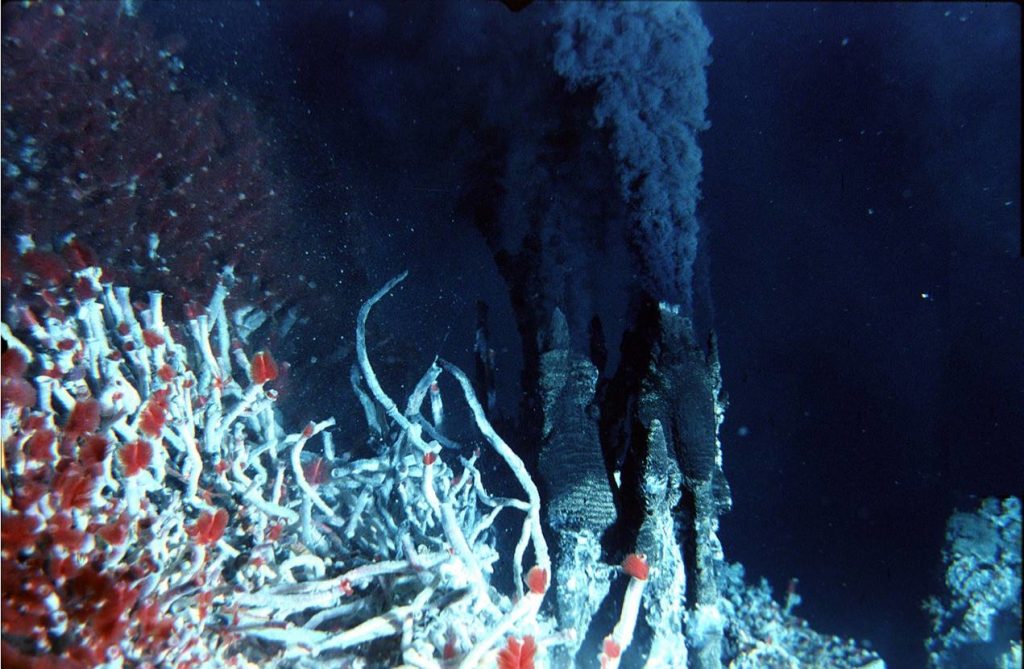
Chimney-like structures form on the seafloor at hydrothermal vents and spew hot toxic black smoke, which is high in hydrogen sulfide and sulfur content. Some blow white smoke, and these are rich in barium, calcium, and silicon. The fluid released from the vents reaches temperatures as high as 700°F or more, but the water doesn’t boil because of the extreme pressure at the depths where the vents are formed.
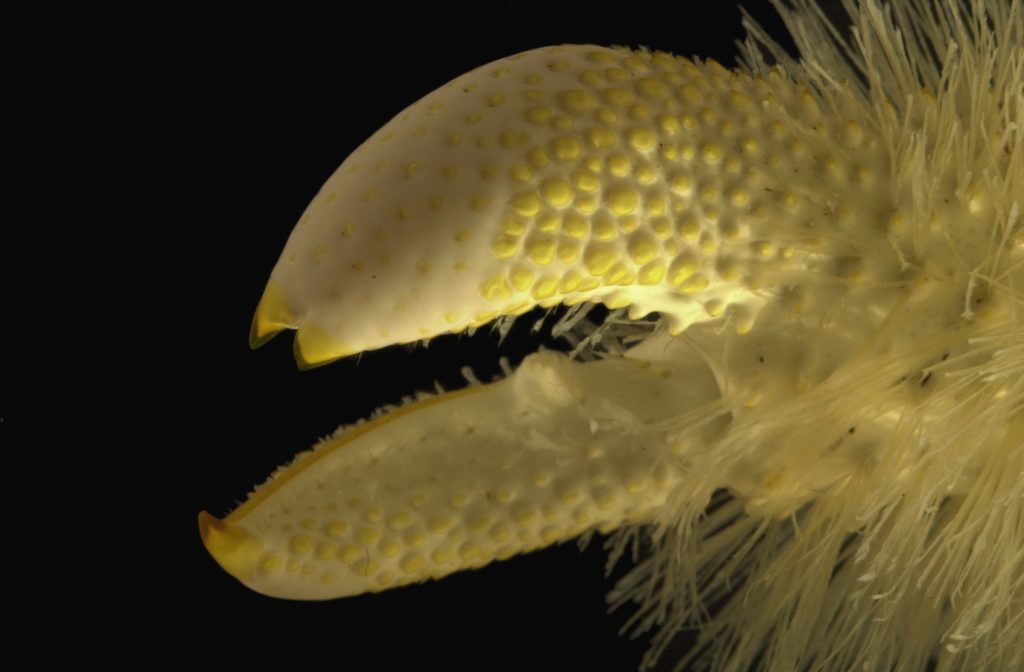
The Yeti Crabs (Kiwa hirsuta) are well adapted to the toxic waters of hydrothermal vents, and they actually choose to live near them because the water is warmer. Remarkably, these crabs grow their own food by farming “sulfur-consuming” vent bacteria on thick mats of body hair on their stomachs. This body hair, known as setae, serves as a garden for the yeti crab to grow its food.
In 2012 scientists discovered eyeless shrimp, known as Rimicaris hybisae, at the Von Damm hydrothermal vent field near the summit of an underwater mountain called Mount Dent. The shrimp have a light-sensing organ on their backs, which allows them to detect low levels of illumination. Since the hydrothermal vents emit an infrared glow, this ability becomes useful for them to navigate around and avoid direct spews of boiling water. Like the yeti crabs, the shrimp feed on gardens of bacteria they have cultivated on their bodies.
Other extremophilic species that thrive around toxic hydrothermal vents include tubeworms, Chorocaris chacei, hydrothermal vent anemones, Bythograeid crabs, and Alvinocaris makensis.
Vent fluids are not just hot; they are chemically punishing, and a few microbes there do something no animal can: they turn nitrogen gas from the water into ammonia, using an enzyme that survives temperatures above 90 degrees Celsius. That heat-proof nitrogenase was the first nitrogenase structure ever solved from a vent archaeon.


