
The ability to store foods for long periods without it spoiling and without having to use additives and preservatives is good for the environment and perfect for our health. Longer shelf life means the product can be shipped by land, ideally on a fully-electric or hydrogen fuel cell truck to distribution locations – which means fewer carbon emissions. It also means less food waste. Both scenarios fit into a sustainable way of life that is better for the planet and help fight climate change. All of this goodness is what The Wholey Milk Co breakthrough milk processing technique can provide, in addition to a deliciously fresh natural tasting product. The Wholey Milk Co is a subsidiary of Naturo.
Naturo writes on its webpage:
It is the biggest breakthrough in the global milk industry since pasteurization in 1864!
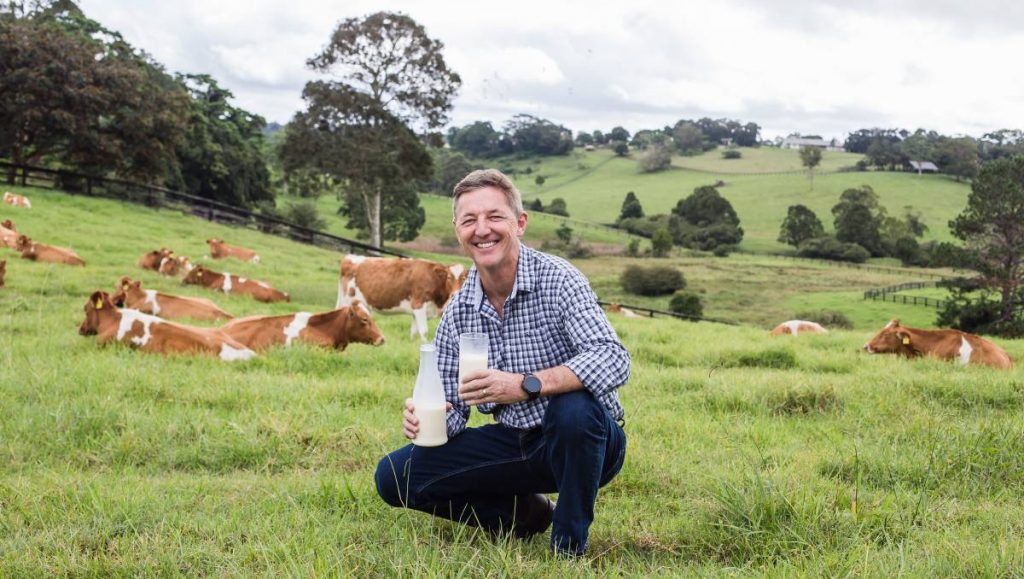
The Australian company developed a milk processing technique that is better than pasteurization. It is heat-free – and therefore retains higher levels of vitamins and enzymes that would have been destroyed during a conventional pasteurization process – yet eliminates more pathogens. It is the only known process that eliminates Bacillus cereus, a common pathogen in milk.
Naturo says:
It is healthier than pasteurized milk as it retains higher levels of vitamins B2 & B12, essential vitamins for our children and fully retains enzymes, critical for liver function & bone development, otherwise destroyed by pasteurization.
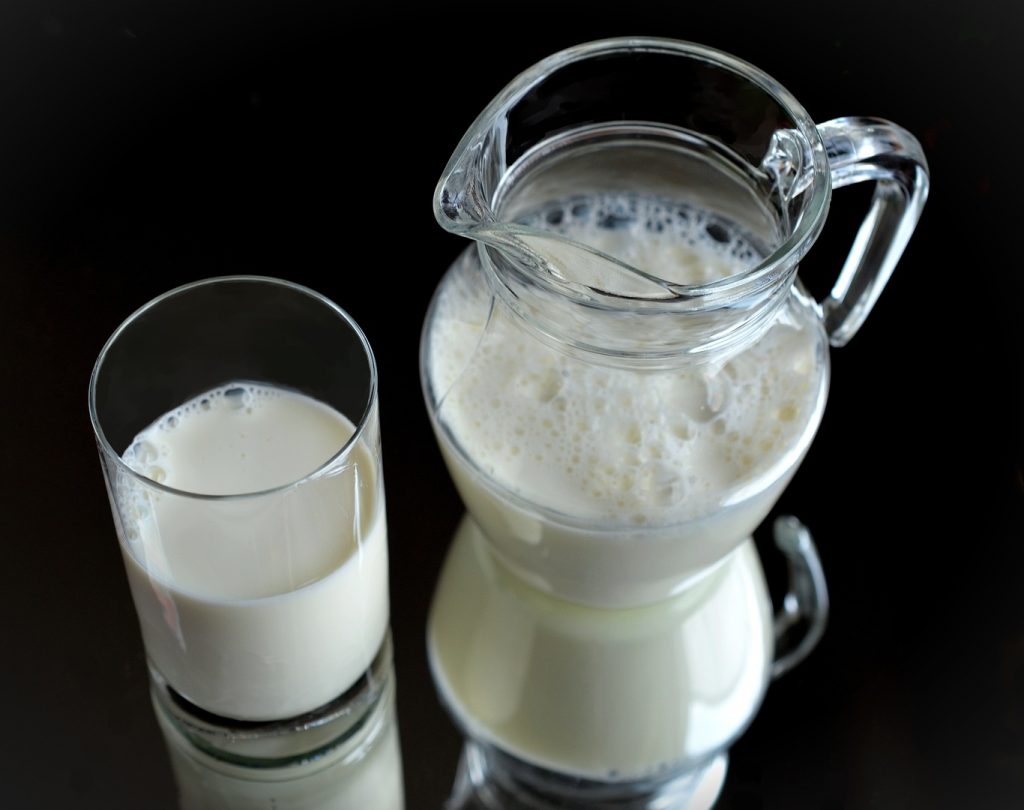
The final product is milk that has a refrigerated shelf life of at least two months (up to 3 months) without the use of additives or preservatives. To compare, pasteurization only prolongs the life of milk to between two and three weeks. The new technique delivers milk that is more nutritious and delicious, retaining its natural color and taste as if it came straight from the cow.
Naturo says:
We are an international food innovation company that believes food should be fresh, safe to eat, free of chemicals and preservatives, and be great tasting.
The new process has been approved by leading Australian regulatory food safety authority, Dairy Food Safety Victoria (DFSV), as well as tested and validated by a leading Australian scientific organization. The Queensland Government has provided $250,000 towards developing The Wholey Milk Co’s milk processing technology.
Not only is it more environmentally friendly and cost-effective to ship the milk by land and sea, but it also means it can be delivered to countries that can’t get fresh milk or do but have to pay a hefty cargo fee. Jeff Hastings, Naturo’s CEO, explains:
China has some challenges getting milk out there. Australian industries currently air freight milk into those regions. That’s relatively expensive, so we’re able to challenge that market with a sea freighted offering.
By increasing the shelf life of a product, it certainly opens up opportunities…Freight’s quite expensive by air. I know Norco’s exported milk to China, fresh drinking milk, and it’s quite a difficult process with the short shelf life of the product.
The process itself appears to be under wraps, but Hastings states that the process uses a combination of already available technologies and is even simpler than pasteurization.
The History Of Milk

The history of how humans began to consume milk is fascinating. It started during the Neolithic Revolution, as far back as 9,000 years ago, when people began domesticating animals and developing agricultural practices. Before this, for most of the 150,000 years of humans roaming the earth, the only ones that could drink milk without getting sick were children up to about age 6. After that, our bodies began to lose the ability to create the enzyme (lactase) that breaks down lactose (a sugar in milk), and if we drank milk, we would have horrible stomach problems.
Everything changed when people started growing food and domesticating animals because that’s when they learned about fermenting foods. Fermentation made foods easier to digest, especially milk, because it removed most of the lactose people couldn’t digest. This was when some humans started to evolve to tolerate milk. Those that could drink it were at an advantage as it provided many nutritional benefits, including vitamins, digestive enzymes, protein, essential minerals including calcium, and eight essential amino acids. Furthermore, raw milk is loaded with beneficial bacteria to help digestion and protect against disease.
However, finding milk as our ancestors had nowadays is a rarity. Our next best option may be this new process.


