
Houston, located in Southeast Texas between Galveston Bay and the Gulf of Mexico, spans across Harris, Fort Bend, and Montgomery counties. Known for its cultural vibrancy and economic opportunities, the city also contends with significant challenges related to crime and public safety.
As Houston continues to grow, negligent security cases have become more frequent—particularly when property owners fail to implement proper safety measures. These cases often involve preventable harm due to missing or faulty security measures, such as:
- Inadequate or broken lighting in public or shared spaces
- Lack of functioning surveillance cameras to deter or document crime
- Absence of trained, on-site security personnel in high-risk areas
Understanding what contributes to negligent security is essential for Houston residents, legal professionals, and property owners seeking to protect both people and property.

Common Property Security Failures That Lead to Legal Liability
Poor Lighting in Public Areas and Its Legal Impact
One of the most common factors in negligent security cases is poor lighting in parking lots, walkways, and other public areas. Dimly lit spaces provide criminals with an opportunity to act without being observed. In Houston, where urban sprawl and large commercial properties are widespread, inadequate lighting remains a frequent issue. Any negligent security attorney in Houston would emphasize that property owners have a legal obligation to maintain well-lit premises to deter crime and protect visitors—something negligent security attorneys often highlight in legal claims.
Absence of Security Cameras and Monitoring Risks
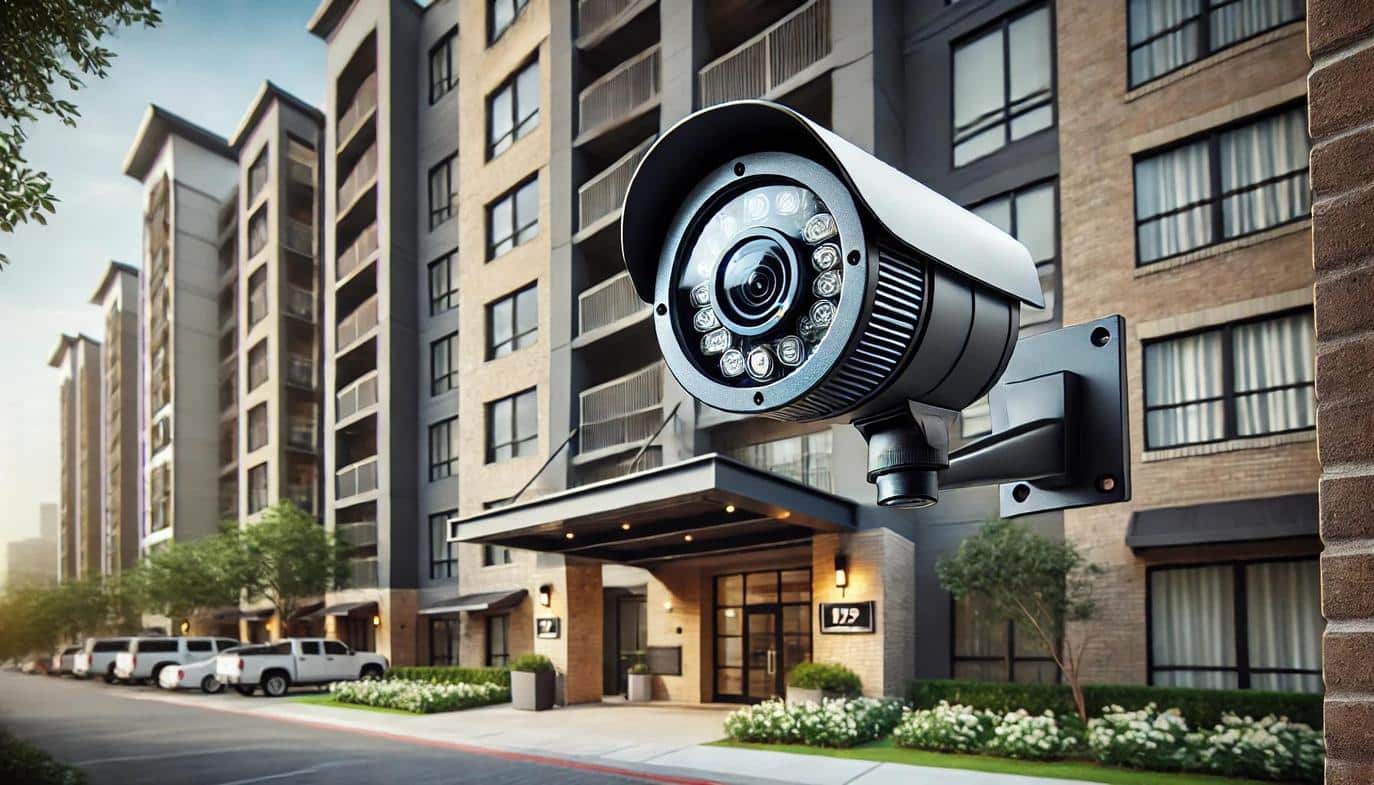
Another significant factor is the absence or malfunction of security cameras. Surveillance systems serve both as a deterrent and a tool for identifying culprits. In negligent security lawsuits, plaintiffs often argue that working security cameras might have prevented the crime or helped identify the offender. In high-crime Houston neighborhoods, property owners are expected to install surveillance systems to reduce risk and meet legal standards.
When Missing Security Staff Leads to Liability
The lack of trained security personnel can lead to preventable incidents in high-risk areas, such as bars, nightclubs, or large apartment complexes. Property owners must evaluate safety risks on their property and take reasonable steps to prevent harm. If a Houston nightclub has a history of violent incidents, hiring trained security staff isn’t optional—it’s often a legal necessity to protect patrons and potentially also avoid liability.
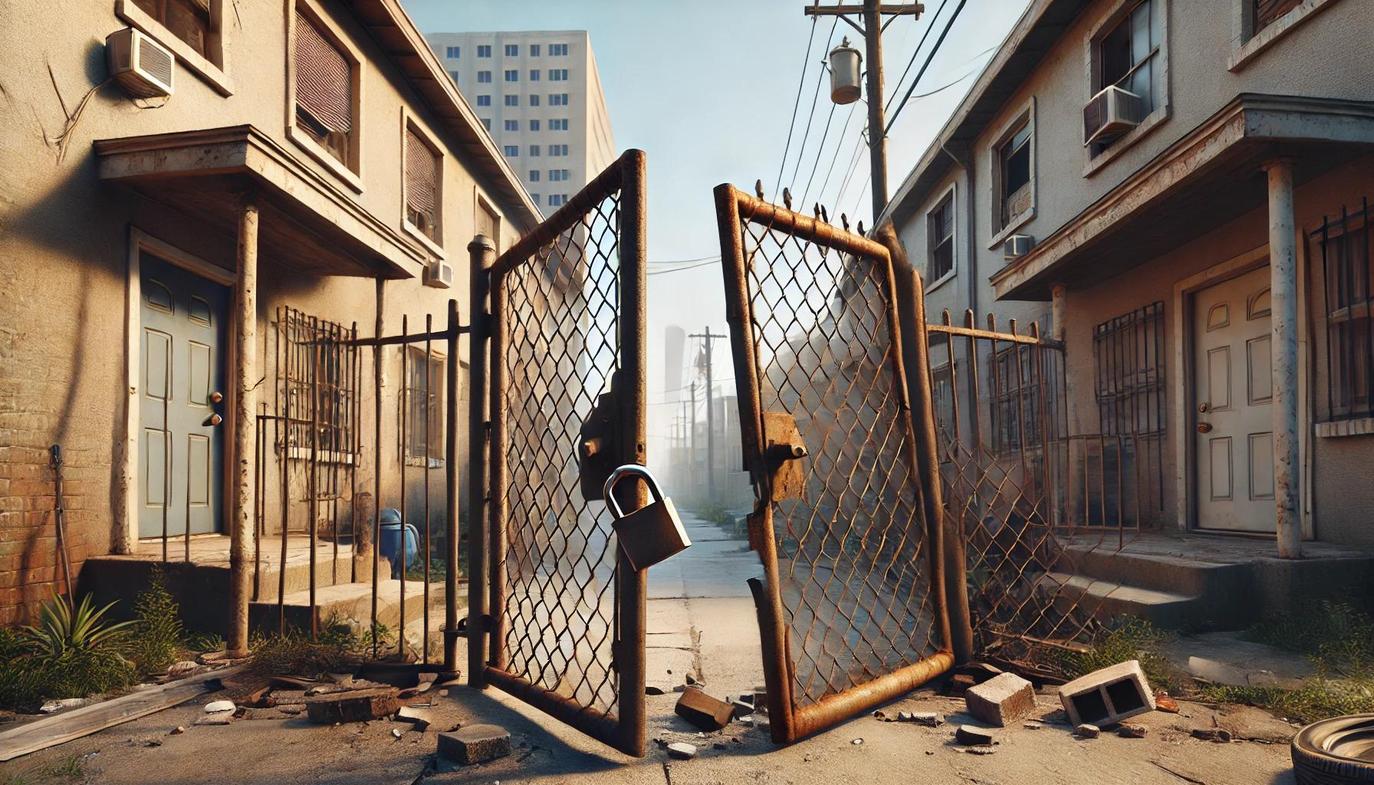
Faulty Locks, Gates, and Fences in Security Claims
Broken locks, unsecured gates, or inadequate fencing can provide easy access to criminals. In Houston, where burglaries are common, keeping locks, doors, and fences in working order is a basic yet vital step in preventing liability. Even a single broken lock or unsecured entry point can invite criminal activity. Regular property inspections and prompt repairs help demonstrate that an owner is taking their duty of care seriously.
Legal Consequences of Ignoring Security Warnings
Negligent security cases often find property owners liable for ignoring prior incidents or known security risks. For example, if a Houston apartment complex has a history of break-ins and the owner fails to fix the problem, they may be liable for future crimes. Courts typically consider whether the owner knew—or should have known—about the risk and if they took steps to address and mitigate any potential issues.
Crowd Control Failures at Events and Venues
Overcrowding and poor crowd management can lead to dangerous situations in venues like concert halls, sports arenas, or event spaces. In Houston, where large events are frequent, property owners must ensure that their venues are not overcrowded and that proper crowd control measures are in place. Failure to implement proper crowd control can result in injuries or altercations, leading to lawsuits against the venue.
Texas Legal Requirements for Property Security
Property owners in Texas have a legal responsibility to provide adequate security measures for visitors. Here’s what that legal duty of care entails:
- Property owners must provide reasonable security based on the nature and location of the premises.
- Plaintiffs must prove that the crime or incident was foreseeable.
- It must be shown that the property owner’s failure to act or negligence directly contributed to the injury or loss.
- Evidence often includes prior incidents, crime statistics, or ignored security risks.
- The law considers whether the owner knew or should have known about the potential danger and whether preventive steps were taken.
Failing to meet these standards can result in a successful negligent security lawsuit.
Protecting Public Safety and Legal Rights
Property owners in Houston face both legal and moral obligations to maintain secure environments. When they fall short—through poor lighting, lack of surveillance, or ignoring known risks—lives can be impacted, and liability becomes a serious legal matter. Negligent security claims aren’t just about assigning blame; they’re about preventing harm and ensuring accountability.
Understanding the core factors that contribute to these cases helps victims advocate for their rights while encouraging property owners to implement safer practices. As Houston continues to grow, prioritizing security will remain essential for protecting residents, reducing crime, and fostering a safer urban landscape.

Frequently Asked Questions About Negligent Security Cases
Q1: What qualifies as negligent security in Texas?
A: Negligent security occurs when a property owner fails to take reasonable steps to prevent foreseeable crimes, such as not fixing broken locks, failing to install cameras, or ignoring prior incidents.
Q2: Can I file a negligent security claim if I was injured on someone else’s property?
A: Yes. If your injury was due to a lack of adequate security and the property owner knew—or should have known—about the risk, you may have grounds for a lawsuit.
Q3: Are landlords responsible for break-ins in Houston apartment complexes?
A: Landlords can be held liable if they failed to maintain working locks, lighting, or fencing and were aware of previous break-ins or security risks.
Q4: How can a lawyer help with a negligent security case?
A: An attorney can gather evidence, assess property conditions, prove foreseeability, and guide you through the legal process to pursue compensation.
Q5: What evidence is used in negligent security lawsuits?
A: Common evidence includes incident reports, crime statistics, surveillance footage (or lack thereof), witness statements, and prior complaints made to the property owner.


