
Eaton, known for its agricultural landscape and open spaces, has increasingly faced wildfire threats in recent years. These fires can cause extensive property damage, environmental devastation, and serious injuries.
People affected by wildfires often face financial setbacks, insurance conflicts, and complicated legal procedures while trying to recover compensation. Working with an attorney handling Eaton Fire litigation can help those affected navigate the intricate legal process.
Establishing liability in wildfire claims cases is challenging, as multiple factors, such as utility company negligence, human activity, or natural causes, can contribute to the fire. Determining who is responsible requires thorough investigation and substantial evidence.
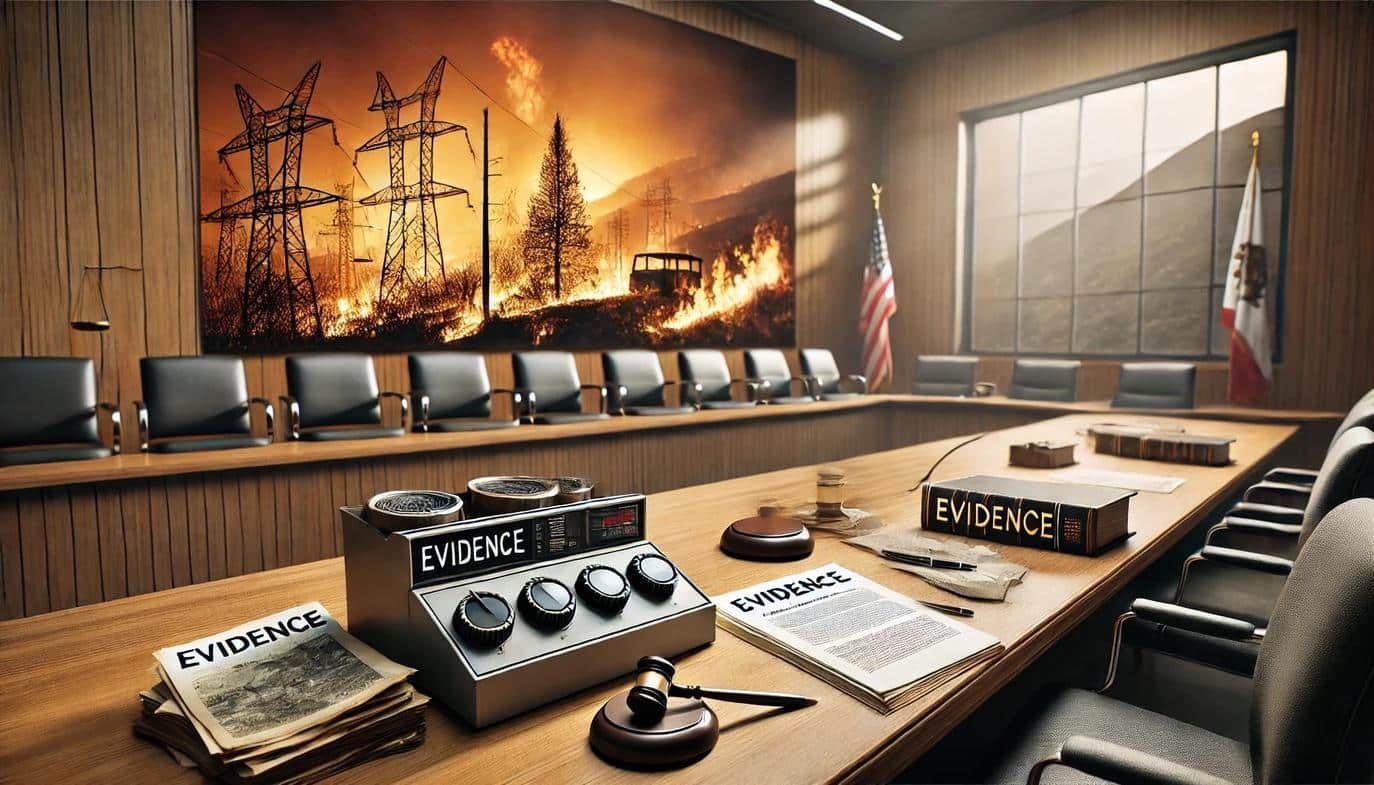
Proving Liability in Wildfire Claims
One of the most challenging aspects of a wildfire accident claim is proving liability. Unlike traditional personal injury cases, wildfires often have multiple potential causes and responsible parties. Familiar liable entities include:
- Utility companies, if faulty power lines or equipment sparked the fire
- Negligent landowners or businesses failing to follow fire safety regulations
- Individuals whose reckless behavior, such as illegal burning or discarded cigarettes, led to the fire
Winning a claim requires proving that negligence or a safety violation directly caused the damage.
The Difficulty of Collecting Evidence After a Wildfire
Wildfire claims require strong evidence to prove negligence and establish the extent of damages. Yet collecting this evidence is often difficult because wildfires can obliterate key sources of proof.
Key Types of Evidence Used in Wildfire Claims
Key pieces of evidence include:
- Official fire investigation reports identifying the source of the fire
- Expert analysis linking the fire’s cause to a negligent party
- Witness statements from those who observed the fire’s origin
- Documentation of property damage and personal losses
Without clear and compelling evidence, holding any party accountable for the destruction becomes harder.
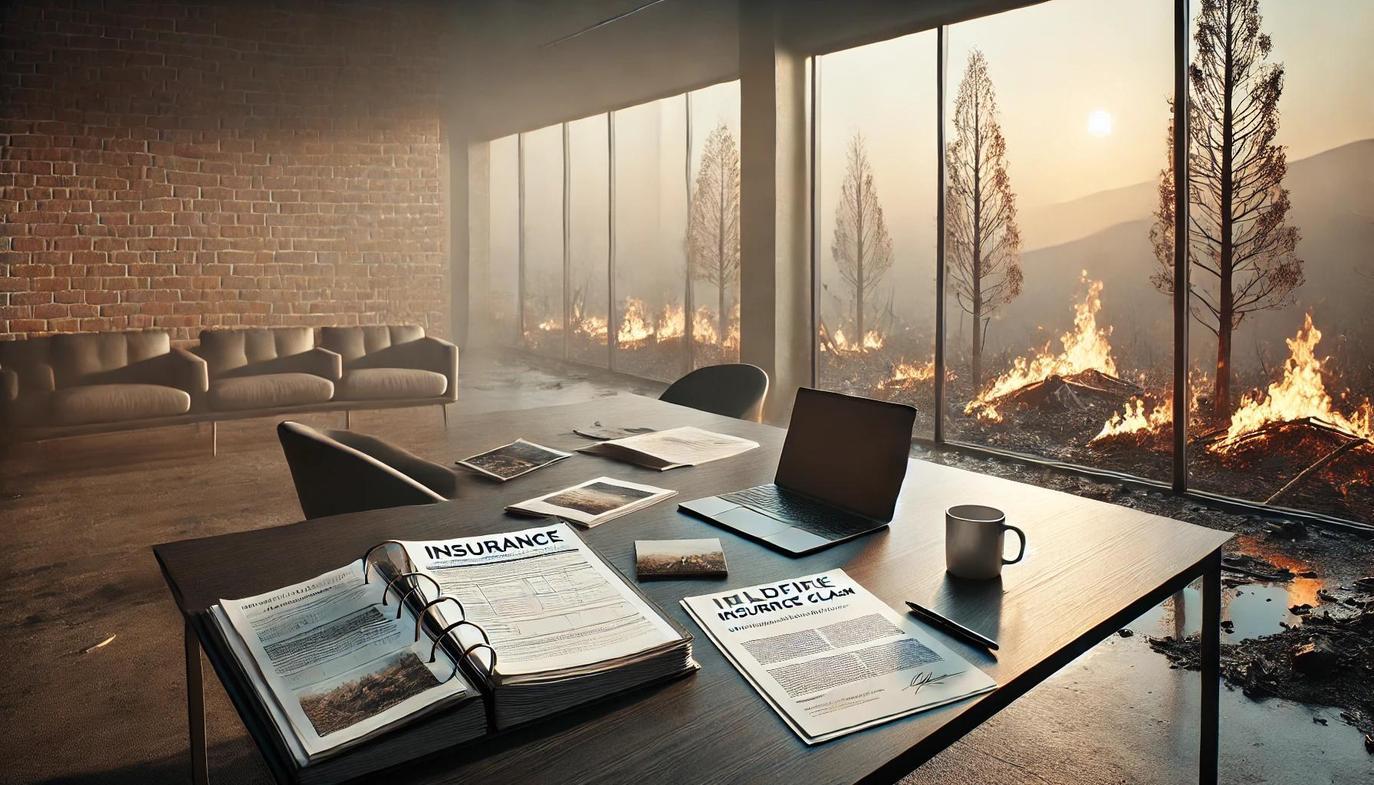
Handling Insurance Disputes in Wildfire Cases
Wildfire claims frequently meet resistance from insurers—especially after large-scale disasters trigger major payout obligations. Policyholders may face various types of disputes, including:
- Coverage limits that cap the total amount payable
- Policy exclusions that attempt to omit smoke, wind, or water-related damages
- Undervalued claims where compensation is less than the actual loss
Common Tactics Insurers Use to Deny Claims
Insurers sometimes deny valid claims by blaming the damage on smoke, water, or wind—elements they often try to classify as excluded.
Understanding the terms of an insurance policy and working with legal professionals can help claimants fight unfair denials or low settlement offers. A well-documented claim with strong supporting evidence can increase the likelihood of receiving fair compensation.
The Long-Term Financial and Emotional Toll
The impact of a wildfire goes far beyond destroyed buildings and land. Many victims experience significant financial burdens from losing homes, businesses, and personal belongings. Recovery can take years, and emotional distress often accompanies the physical losses.
Stress from financial instability, displacement, and legal battles can make it even more challenging for victims to rebuild their lives.

Rebuilding Lives and Seeking Justice After Wildfire Losses
Winning a wildfire accident claim is rarely straightforward. Victims must confront legal complexities, intense emotional fallout, and pushback from insurance companies—often while trying to rebuild their lives. From proving negligence to presenting clear documentation, every step demands diligence and resilience.
With guidance from experienced fire litigation attorneys, claimants can level the playing field. Attorneys not only investigate the cause but also advocate for the compensation victims deserve. As wildfires become more frequent, both individuals and communities must stay proactive—legally and preventively—to protect what matters most.
Common Questions About Wildfire Claims
Q: What is the first step to take after a wildfire damages my property?
A: Start by documenting the damage with photos and videos, securing a copy of your insurance policy, and contacting a wildfire litigation attorney for guidance.
Q: Who can be held liable for causing a wildfire?
A: Liable parties may include utility companies, negligent landowners, businesses ignoring fire codes, or individuals engaging in reckless behavior like illegal burning.
Q: Can I file a claim if my home wasn’t directly burned but was affected by smoke or water damage?
A: Yes. In many cases, secondary damages—such as smoke, soot, or water used to fight the fire—can be included in claims, though insurers may dispute them.
Q: What kind of evidence is most helpful for a wildfire claim?
A: Official fire reports, expert analysis, photos of damage, witness statements, and insurance documents are all vital for proving your case.
Q: How can a fire litigation attorney help with my claim?
A: An attorney can investigate the fire’s origin, gather evidence, negotiate with insurers, and represent you in court if necessary to pursue full compensation.


