
New Jersey’s fencing scene offers unique advantages that many prospective fencers and their families overlook. While many families recognize fencing as a refined Olympic sport, few understand the unique advantages, hidden pathways, and unexpected life lessons that make elite fencing programs in the Garden State truly exceptional. New Jersey’s fencing ecosystem is far more dynamic than most imagine, with unique advantages that include:
- Olympic-caliber coaching
- High-tech training methods
- Significant academic advantages
- Widespread intergenerational participation
Whether you’re a beginner curious about trying something new or an experienced fencer seeking to elevate your game, understanding these lesser-known aspects of the best fencing classes can transform your training experience, mindset, and competitive outcomes.
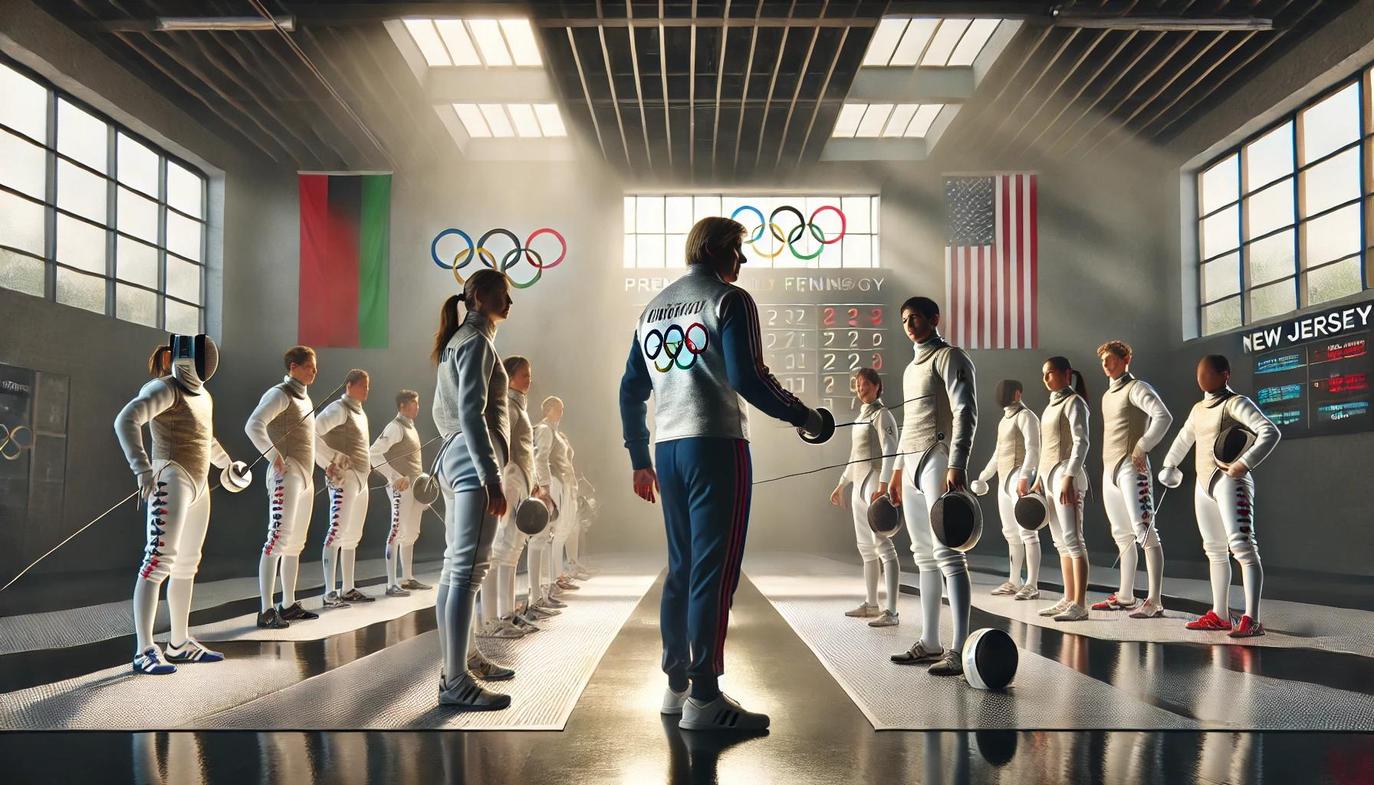
1. The Olympic Connection is Closer than You Think
World-Class Coaching in Your Backyard
Most people don’t realize that New Jersey is home to some of the most accomplished fencing coaches in the world. These are not casual instructors who once picked up a foil in college. Instead, they are decorated athletes, national champions, and former Olympians who have dedicated their lives to perfecting and teaching the art of fencing.
What Makes Elite Coaching Different:
- Direct Olympic experience: Coaches who have competed or trained at the highest international levels.
- Proven methodology: Training systems that have produced multiple Olympic medalists.
- Personal attention: Small group sizes ensure each student receives focused feedback.
- Strategic depth: Instructors with a deep understanding of modern competitive fencing.
Top-tier training institutes in locations like Englewood and Waldwick provide world-class fencing instruction in a local setting. For students, the expertise doesn’t just improve performance—it fundamentally reshapes how they learn, think, and compete.
Training Alongside Future Olympians
Another fascinating element of New Jersey’s top fencing programs is the opportunity to train alongside nationally ranked and internationally competitive athletes.
Benefits of Elite Training Environments:
- Observing advanced techniques in real time.
- Understanding what true excellence looks like.
- Adopting higher performance standards naturally.
- Drawing motivation from peers and role models.
- Accessing the same coaching and systems that shape champions.
This kind of exposure accelerates progress. Beginners absorb proper form and discipline through observation and immersion, while advanced fencers refine their skills under constant challenge. The result is a culture of continuous improvement that defines elite fencing academies.
2. Age is Just a Number in Fencing
Programs for Every Life Stage
One of the sport’s most inclusive qualities is that fencing welcomes every age group. Elite fencing programs in New Jersey have structured curricula for children as young as four and adults well into their 70s and beyond.
Fencing is accessible at any stage of life, offering a clear path for growth whether you start early or later. Many adults in their 40s or 50s discover newfound athletic potential, while young fencers benefit from structured pathways that can lead to national and collegiate competitions.
Mini Musketeers (Ages 4–6):
- Lightweight, child-friendly equipment.
- Play-based drills to build coordination and confidence.
- Short, engaging 45-minute sessions.
Youth Development (Ages 7–18):
- Step-by-step skill progression from beginner to elite level.
- Classes are grouped by age and experience.
- College recruitment guidance and tournament preparation.
Adult Programs (18+):
- Beginner classes tailored for late starters.
- Veteran divisions (40+, 50+, 60+, 70+) for competitive adults.
- Recreational fencing options for fitness and stress relief.
The Veteran Fencing Renaissance
Competitive fencing for older adults, known as veteran fencing, is growing rapidly across the country, and New Jersey is at the forefront.
Why Adults Excel in Fencing:
- Strategy and mental agility matter more than raw speed.
- Life experience improves tactical thinking.
- The sport’s non-contact nature reduces injury risk.
- Strong community and camaraderie keep motivation high.
Fencers in their 60s and 70s frequently win tournaments, proving that intelligence and precision can outmatch youth and explosiveness.
Family Fencing Opportunities
Few sports allow parents and children to train together, but fencing does. Many New Jersey clubs encourage family participation, creating deep intergenerational connections.
Family Training Benefits:
- Shared experiences foster stronger family bonds.
- Parents gain empathy for their child’s challenges.
- Families travel and compete together.
- Mutual respect develops through shared goals.
Some families have three generations fencing together—a rare and rewarding sight in modern sports.

3. The Academic Advantage Nobody Talks About
Beyond physical agility, fencing provides a significant cognitive challenge. Studies show that fencers develop enhanced executive function, working memory, and problem-solving skills.
Proven Mental Benefits:
- Faster processing speed and sharper focus.
- Stronger planning and organizational ability.
- Improved neural connectivity supporting long-term cognition.
- Reduced risk of cognitive decline with age.
This cognitive enhancement explains why many fencers perform better academically, especially in analytical subjects.
The Standardized Test Secret
Interestingly, fencing’s mental benefits often translate into better standardized test scores.
How Fencing Enhances Test Performance:
- Quick decision-making helps manage time under pressure.
- Pattern recognition aids analytical reasoning.
- Focus and concentration extend to long exam sessions.
- Stress-control techniques reduce test anxiety.
Many Ivy League fencers cite the mental discipline from their sport as instrumental to their academic success.
4. Equipment and Technology Surprises
You Don’t Need to Buy Anything Initially
A common misconception is that fencing requires costly equipment right away. Top New Jersey programs eliminate this barrier by providing all the gear for beginners.
Beginner Equipment Reality:
- Clubs supply masks, jackets, gloves, and weapons for trial periods.
- Rental options keep costs manageable.
- Students can later invest gradually as they progress.
This makes fencing accessible to anyone curious to try it—no upfront investment needed.
High-Tech Training Tools
Elite fencing programs increasingly use cutting-edge technology that rivals professional athletic facilities.
Advanced Training Technology:
- Video replay systems for precise movement analysis.
- Electronic scoring machines for instant feedback.
- Performance tracking and biometrics for personalized training.
These innovations enhance learning for all skill levels and provide clear, measurable feedback after every lesson.

5. The College Recruitment Reality
Fencing can be a powerful pathway to top-tier universities.
College Recruitment Facts:
- All Ivy League schools actively recruit fencers.
- Smaller applicant pools increase scholarship chances.
- The sport demonstrates discipline, intelligence, and leadership.
Graduates from top programs regularly attend institutions like Princeton, Yale, Columbia, and Harvard—proof that fencing excellence translates into academic opportunity.
The Timeline Starts Earlier than You Think
Families planning for collegiate fencing should start early. Development and visibility take time.
Optimal Timeline for College Fencing:
- Ages 8–10: Introduction and basic foundation.
- Ags 11–13: Competitive experience and regional tournaments.
- Ages 14–15: National rankings and visibility.
- Ages 16–17: Recruitment phase and college visits.
Starting early gives fencers the necessary time to build a competitive resume attractive to recruiters.
6. The Social Community Advantage
Fencing is as much about friendship as competition. Training together through the pressures of tournaments and the challenges of practice creates lasting bonds.
Community Building Factors:
- Year-round practice cultivates consistent connections.
- Shared goals unite diverse participants.
- Multi-generational teams promote respect and mentorship.
Parents also find fencing environments refreshingly positive—free from sideline aggression and focused instead on discipline, respect, and long-term growth.
7. Hidden Career Pathways
Elite fencing develops professional skills that extend far beyond sport. Former fencers often excel in law, business, medicine, and academia—where critical thinking and composure define success.
Others stay within the sport as coaches, sports psychologists, or event organizers, continuing the cycle of excellence.
8. The Weapon Choice Complexity
Fencing isn’t one sport but three distinct disciplines:
- Foil: Precision-focused, targeting the torso only.
- Sabre: Lightning-fast, using both edge and tip above the waist.
- Épée: Tactical and patient, with the whole body as the target.
Top programs allow students to explore each weapon before specializing, ensuring a perfect fit between personality and style. Coaches thoughtfully guide students through this decision, considering strengths, preferences, and long-term goals.

Your Path to Excellence with Fencing Classes in New Jersey
The world of fencing in New Jersey offers far more than just athletic training; it is a comprehensive ecosystem that cultivates discipline, intellect, community, and lifelong opportunity. These programs, from the direct mentorship of Olympian coaches to the clear pathways for college fencing recruitment, aim to enhance both mental and physical skills. Quick thinking, strategic planning, and grace under pressure are skills learned on the strip that directly contribute to academic and professional success.
Whether you are a curious beginner seeking a new challenge or a seasoned competitor aiming for the next level, the top fencing classes in New Jersey provide the tools for profound personal growth. The unique combination of physical conditioning and constant strategic engagement also provides lifelong fitness benefits and helps protect against age-related cognitive decline. This is an investment not just in a sport, but in the focus, confidence, and character that yield lifelong advantages.
Your New Jersey Fencing Questions Answered
What Age is Best to Start Fencing for Kids?
While programs exist for children as young as four, the ideal age for a child to start focusing on competitive development in beginner fencing classes in NJ is typically between 8 and 10. This age provides a great balance of physical coordination and the ability to grasp strategic concepts.
Is Fencing a Good Sport for College Applications?
Absolutely. Universities, especially Ivy League schools, highly regard fencing. Due to a smaller applicant pool compared to mainstream sports, fencing can provide a significant academic advantage. College fencing recruitment focuses on discipline, intelligence, and commitment—qualities that strong academic institutions value.
Do I Need to Be in Great Shape?
Fencing is a sport where strategy, timing, and technique often outweigh raw athleticism. Adult fencing classes are designed to accommodate all fitness levels, and the sport itself is an excellent way to improve agility, reflexes, and cardiovascular health at any age.


