
You may already know that fiber is beneficial to your health, but do you know if you are getting enough? Most Americans are not. The average adult consumes only 16 grams of fiber daily. For many people, that’s significantly less than the daily recommended amount.
Recommended Intake of Fiber Per Day
According to the FDA (Food and Drug Administration), the Daily Value for fiber for people on a 2,000-calorie diet is 28 grams per day. This number may vary depending on age or gender. The USDA’s present Dietary Guidelines for Americans recommend the following quantities of fiber per day:
Women under 50: 25 to 28 grams
Women 51 and older: 22 grams
Men under 50: 31 to 34 grams
Men 51 and older: 28 grams
Children ages 1 to 18: 14 to 31 grams, depending on their age and sex.
Fiber conducts the grunt work in the digestive system, but it doesn’t get the same attention as calcium, vitamin D, and other nutrients. Therefore, it’s critical to consume the correct quantity of fiber to keep your digestive system working smoothly. Besides digestion, fiber has various health benefits, including weight loss and gut bacteria balance. Furthermore, as seen in countries worldwide, larger fiber intakes may considerably reduce the risk of chronic disease.

Continue reading to learn more about the fantastic benefits of fiber, what foods contain the most fiber, and the symptoms of consuming too much.
Why is Fiber Important to Your Health?
Dietary fiber is a broad phrase that refers to the parts of plants and other foods that your body cannot digest. The body does not break down fiber. Instead, it goes through your system and relieves symptoms like constipation.
Health benefits of fiber:
- Supports weight loss
- Lowers risk of cardiovascular diseases such as heart disease, stroke, and more
- Reduces cholesterol and blood sugar levels
- Lowers diabetes risk
- Fuels healthy gut bacteria
- Increases digestive and bowel health
- May lower risk of breast and colorectal cancer
How to Boost Your Fiber Consumption
When it comes to fiber, it’s crucial to eat a range of meals rather than relying on a single source. The best approach to improve your fiber intake without ingesting too many calories is to eat more plant foods, such as fruit, vegetables, beans, nuts, and whole grains. These foods are naturally high in nutrients, including fiber, and offer all of the health benefits of eating a high-fiber diet.
If your body is adjusting to extra fiber, spread out your servings over several meals rather than consuming a large quantity in one sitting.
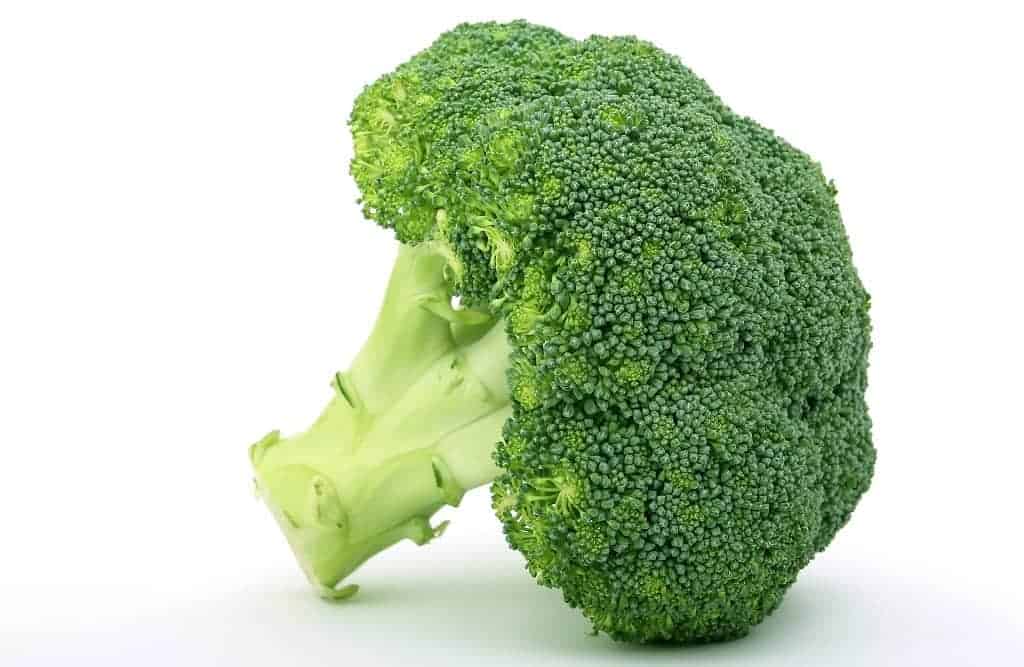
The following are some of the top fiber sources:
- Beans (all kinds), peas, black-eyed peas, chickpeas, artichokes, whole wheat flour, bran, barley, bulgur, prunes, raspberries, and blackberries.
Other great fiber sources include:
- Romaine lettuce, dark leafy greens, cabbage, broccoli, okra, cauliflower, sweet potatoes, pumpkin, carrots, potatoes with the skin, asparagus, corn, snap beans, oats, whole-wheat pasta, popcorn, nuts, apples, raisins, pears, strawberries, mangoes, oranges, bananas, and blueberries.
Eliminating refined grains (like white flour, white bread, white pasta, and white rice) from your diet and replacing them with whole grains is an excellent way to increase fiber intake. In addition, whole foods are a fantastic source of fiber because they also provide your body with essential nutrients.
Types of Fiber Sources
Fiber is a carbohydrate of three types: soluble, insoluble, and fermented.
Soluble fiber is a type of fiber that dissolves in water and inhibits digestion. As a result, it can help reduce blood sugar and cholesterol levels.
Insoluble fiber is different from soluble fiber in that it does not dissolve in water and has a different role in digestion. It gives feces more volume and allows it to travel through your system more efficiently. It keeps your pipes in good operating order and prevents constipation.
Fermentable fiber can come from either of the first two groups; however, soluble fiber is more common. Fermented fiber aids in the growth of beneficial bacteria in the colon.

Fiber-Rich Meal Plan
Here’s an example of a day’s menu with 37 grams of fiber:
Breakfast: unsweetened whole-grain bran flake cereal (5 grams of fiber), skim milk, and half a banana (1.5 grams of fiber).
Snack: 24 plain almonds (3.3 grams of fiber) and three prunes (1.5 grams of fiber)
Lunch: Turkey sandwich made with two slices of whole wheat bread, one tomato, lettuce (5 grams of fiber), and a medium-sized orange (3.1 grams of fiber)
Snack: Half a cup of blueberries with unsweetened yogurt (2 grams of fiber)
Dinner: Grilled fish with a salad of romaine lettuce and shredded carrots (2.6 grams of fiber), half a cup of lentils (7.5 grams of fiber), and half a cup of spinach (2.1 grams of fiber)
Snack: Half a medium-sized pear (3.5 grams of fiber)
Other Ways to Increase Fiber Consumption
It’s recommended to incorporate fiber into your diet gradually. You don’t want to overwhelm your body with too much bulk. As the International Foundation for Functional Gastrointestinal Disorders says, “start low, go slow.”
Six ways to add a bit more fiber to your diet:
- Consume whole fruits such as apples and pears instead of drinking fruit juices.
- Choose whole-grain foods instead of white bread, white pasta, and white rice.
- Snack on veggies with hummus or bean dip instead of chips and pretzels.
- Eat lentils and beans daily.
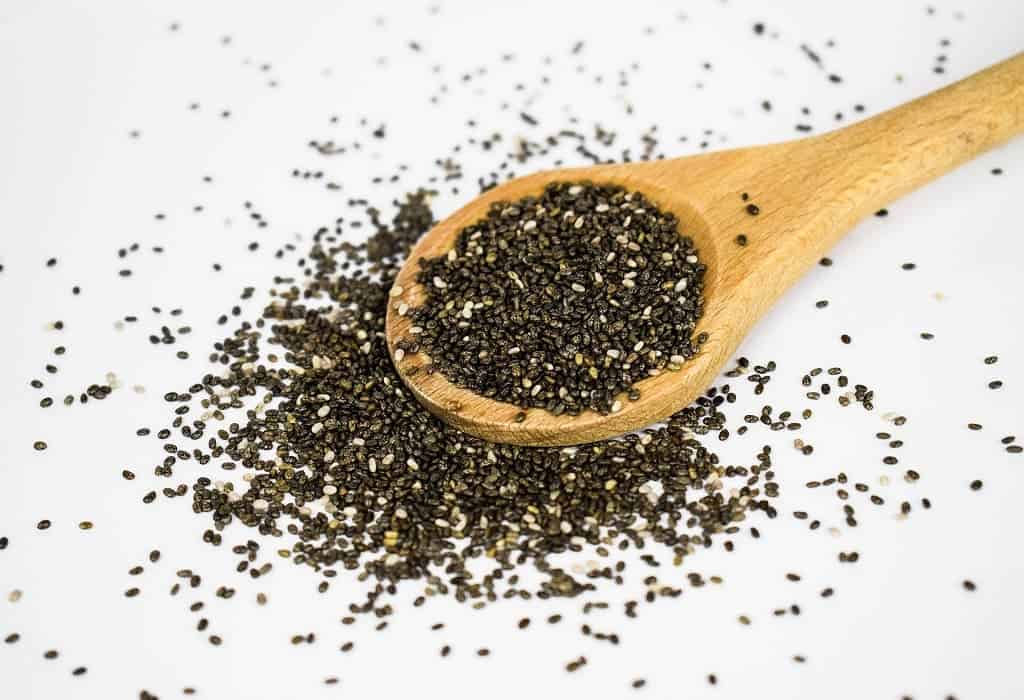
- Sprinkle chia seeds on salads, cereal, or smoothies.
- When eating fibrous foods, make sure you drink enough water.
It’s recommended to gradually increase fiber in your diet while also drinking plenty of water to give your digestive system time to adjust. To better understand how much fiber you’re eating, keep track of what you eat and note the fiber level. People who have difficulty getting enough fiber in their diet may benefit from taking fiber supplements.
However, too much fiber might be harmful. If you overeat fiber, your body will let you know with various symptoms. Fiber supplements have also been shown to be ineffective when compared to eating high-fiber diets.
Furthermore, everyone’s body reacts to fiber differently. For example, fiber may not be well tolerated by certain people who suffer from irritable bowel syndrome.
Symptoms of Too Much Fiber
Fiber, also known as “roughage” or “bulk,” might produce some noise as it moves through your intestines and stomach. While there is no daily limit for dietary fiber consumption, excessive amounts might cause discomfort and symptoms like:
- Bloating
- Gas
- Abdominal cramping
- Constipation
- Diarrhea
If you’re experiencing these symptoms, limit your fiber consumption. However, consult your doctor or go to an urgent care facility or the hospital if you are experiencing more severe symptoms. Consuming too much fiber can result in an intestinal (bowel) obstruction, a blockage that prevents materials from flowing through. This is a rare but significant complication.


