
Experiencing a house fire can be one of the most distressing events a Seattle homeowner may encounter. Coping with the damage and the process of restoring your home to its former state can be overwhelming. Whether the fire’s effects are mild or severe, working with a trusted Seattle restoration company is essential to navigating recovery and ensuring your property’s safety. While the emotional and physical toll of a house fire is profound, understanding the steps to take immediately after a disaster, as well as the restoration process, helps establish a path to recovery. Proper knowledge can prevent further losses, streamline insurance claims, and help you return to normal life as quickly as possible.
Immediate Steps After a Fire
Your safety comes first. Only enter your home when authorities declare it safe. Once inside, focus on safeguarding your property and documenting the damage for your insurance:
- Contact Your Insurance Company: Call your insurer as soon as possible to report the incident and begin the claims process.
- Document the Damage: Take detailed photos, videos, and notes of every damaged item. A thorough inventory can speed up your insurance claim and prevent disputes later on.
- Secure Your Property: Board up windows and doors, and cover exposed areas of your roof to deter theft and prevent weather-related damage. If you must leave your home, notify your local police and let your neighbors know.
Understanding Fire Damage
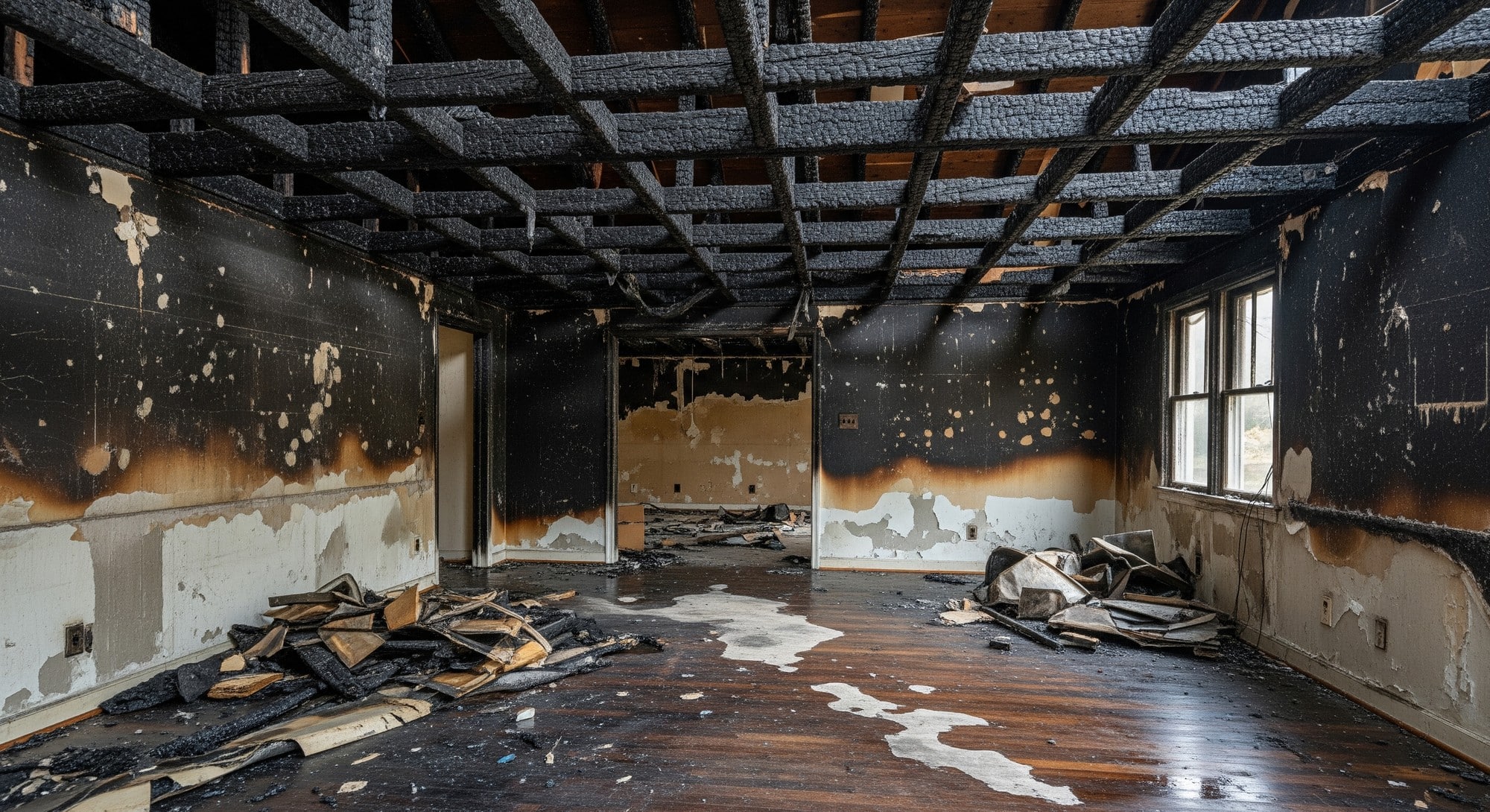
Fire damage is more than scorch marks. While charred wood and melted items are visible, smoke, soot, and water from firefighting efforts can deeply impact your home. Soot particles infiltrate furnishings, walls, and air vents, leading to lingering odors and respiratory hazards. Water used to extinguish the fire may soak into building materials, creating a high risk for mold and further structural issues.
Both fire and smoke may also damage electrical wiring and appliances, even if they appear untouched. It’s important to have a professional assess the full extent of the damage, as DIY clean-up can expose you to toxic residues and undermine your restoration efforts.
The Restoration Process
Returning your home to a safe, livable condition generally follows these professional steps:
- Assessment: Restoration specialists survey your home to analyze the spread and severity of fire, smoke, and water impacts.
- Water Removal and Drying: Powerful pumps and industrial dehumidifiers extract standing water and moisture from floors, walls, and personal belongings.
- Smoke and Soot Cleanup: Technicians clean affected surfaces, including walls, ceilings, and vents, to eliminate toxins and odors. Specialized air scrubbers and HEPA vacuums are often used for this step.
- Cleaning and Sanitizing: Personal items and salvageable property are restored through deep cleaning. Fogging and antimicrobial treatments ensure your space is safe for reoccupation.
- Restoration and Repairs: This stage can involve repainting, drywall replacement, carpentry, and sometimes complete reconstruction of sections of your home. Durable materials and up-to-code repairs help prevent future problems.
Costs and Insurance
Restoration costs can vary widely depending on the scope of the fire, the extent of water damage, and the types of repairs needed. For minor incidents, costs may be in the low thousands, while major house fires can lead to expenses exceeding $100,000, especially if structural repairs or a total rebuild are required. Most homeowners’ insurance policies cover fire damage, but coverage specifics differ; some may not include smoke damage or personal belongings unless explicitly stated. Document every interaction and keep copies of restoration quotes and receipts. Work closely with your insurance adjuster, providing frequent updates and new information as the restoration process unfolds.
Choosing a Restoration Company
The right fire damage restoration company is crucial to your home’s recovery. Look for certified and insured professionals with experience in fire and smoke damage restoration. Verify credentials, check reviews, and ask for local references. A good company should provide a clear contract, timeline, and transparent communication. They should also be able to coordinate with your insurance company and provide comprehensive services, from structural drying to air quality testing and deodorization.
Preventive Measures
Effective fire prevention can greatly reduce your risks:
- Install, test, and maintain smoke detectors on every level and in every bedroom.
- Have your electrical wiring and appliances inspected regularly by licensed professionals.
- Avoid storing flammable liquids or materials near heat sources or in attics and basements.
- Prepare a fire escape plan, rehearse it with your family twice a year, and keep fire extinguishers handy throughout your home.

Conclusion
Recovering from a house fire is a step-by-step process that requires attention to detail, coordination with professionals, and a focus on safety. By acting quickly, understanding your insurance coverage, and working with reputable experts, Seattle homeowners can restore their properties and regain peace of mind. Preventive measures and regular property inspections can help safeguard your home against future fire risks. Installing and maintaining smoke detectors, testing fire alarms, and creating a family emergency evacuation plan further strengthen your home’s preparedness. Scheduling routine electrical inspections and practicing safe storage of flammable materials can also reduce the likelihood of future incidents. With a proactive approach and trusted restoration professionals by your side, you can rebuild with confidence, protect your investment, and create a safer, more resilient home for years to come.

