Humans have practiced leather making for over 7,000 years. Animal skins were dried in the sun, then softened by pounding and preserved by salting and smoking. Today, leather remains one of the most durable and versatile materials. However, an increasing number of consumers are beginning to avoid wearing products sourced from animals because of ethical concerns, and it’s environmentally unsustainable.

The gradual shift towards sustainable living caused manufacturers to create synthetic leather alternatives. This was good for a while until we realized that they cause the same issues as any synthetic plastic.
Thankfully, the leather market has begun looking towards more sustainable, plastic-free, and vegan alternatives. This year, two Canadian sisters produced vegan leather items out of apple peel waste collected from the juicing industry, while two Mexican friends made vegan leather from prickly pear cactus; and now, the latest alternatives are made from fungus.
A study published in Nature Sustainability examined the history, sustainability, manufacturing process, cost, and material properties of fungus-derived leather alternatives. It found that Fungi-derived leather is an evolving class of ethically and environmentally responsible materials that are increasingly meeting consumer appealing and functional expectations.
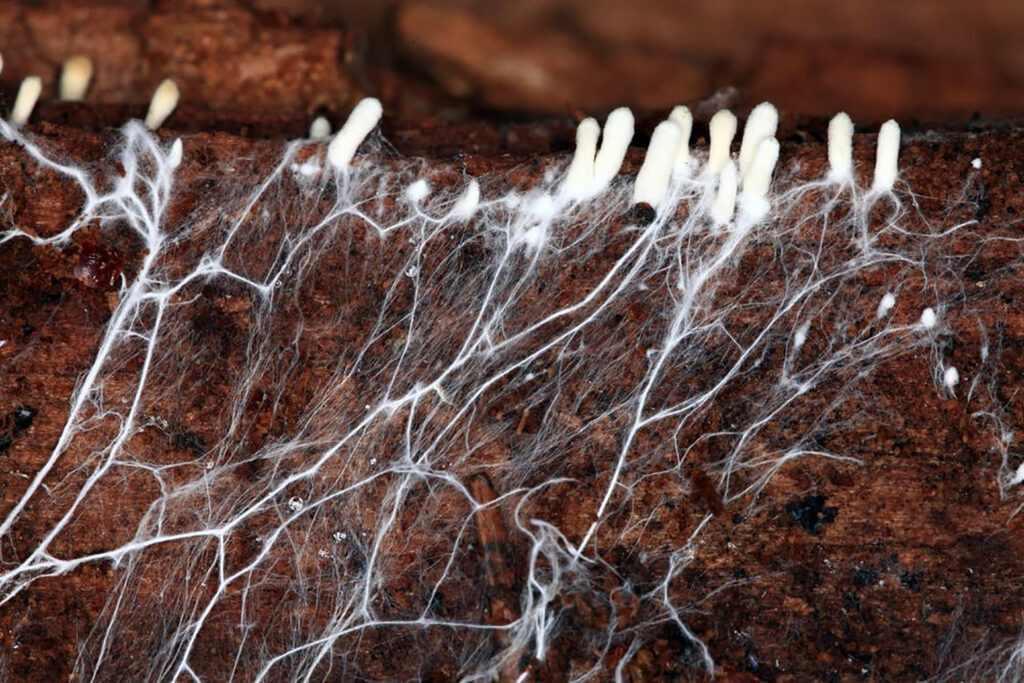
Around five years ago, US companies MycoWorks and Ecovative invented and patented fungus-derived leather technologies. These technologies use the mushroom’s root-like structure, known as mycelium. When mycelium is grown on agricultural waste or sawdust, they produce a thick mat that can be treated to look like leather.


This natural biological process can be conducted anywhere since the roots are used and not the mushrooms. The process doesn’t need light; it turns waste into something useful and stores carbon by collecting it in the growing fungus.
Making fungi leather (or mycelium leather) is an overall significantly quicker process than traditional leather. It takes years to raise a cow to maturity, while going from a single spore to a finished fungi leather takes weeks.
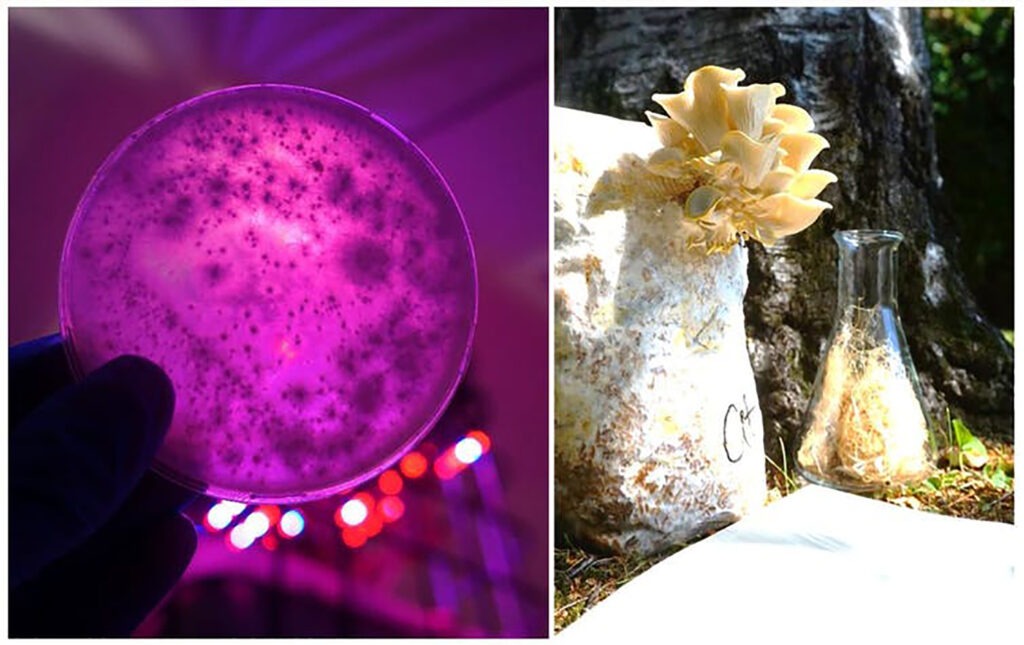
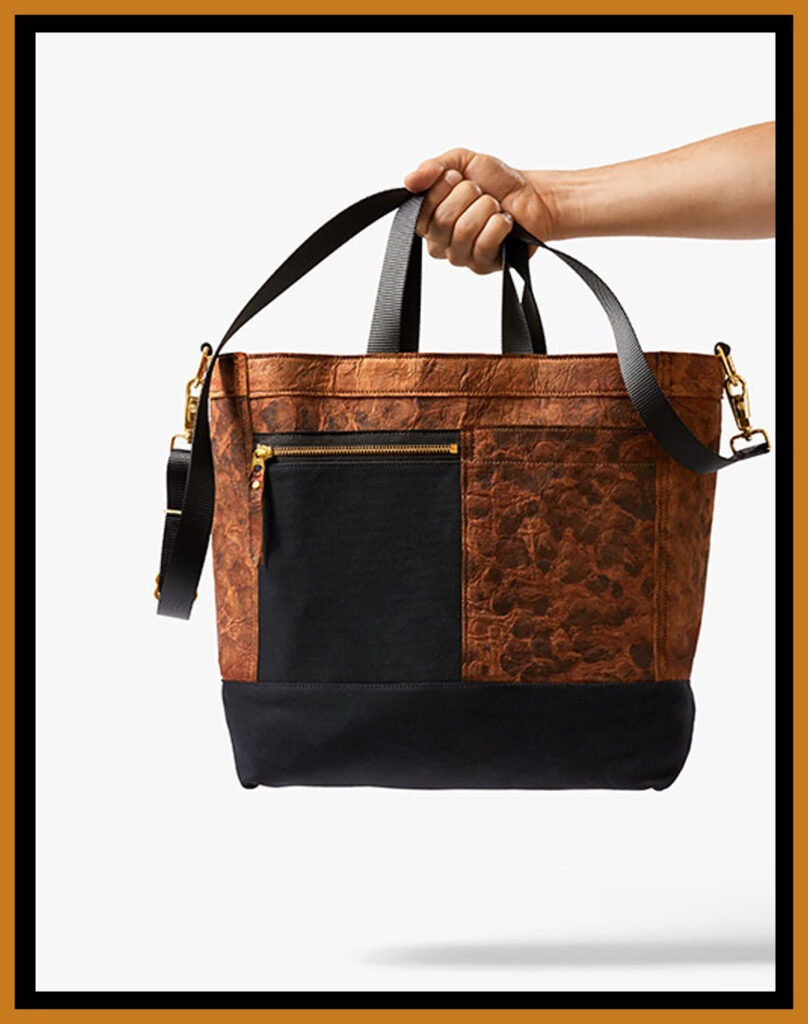
The Fungal material is then modified with mild acids, alcohols, and dyes before its compressed, dried, and embossed. The process is swift, simple, and can be completed with minimal equipment and resources. The final product feels and looks like animal leather and has comparable durability. The leather is also entirely biodegradable when it isn’t mixed with another material to make a composite leather.
Commercial fungi-derived leather products are expected to be available for purchase soon, though it may be expensive. Last year, fungi leather prototypes – including purses, bags, watches, and shoes – were released in the US, Indonesia, and Italy. These items were not cheap, with one bag selling for US$500.
However, manufacturing cost estimates suggest that once the fungi leather is manufactured on a larger scale, it could become economically competitive with traditional leather.