
You’re already seeing it. Ethical fashion is on the rise. Why does it matter? Think about where your clothes come from and who makes them. Consumers today want transparency and fairness.
You might ask, what role do brands play in this shift? They’re setting higher standards for sourcing materials responsibly and treating workers well.
Follow along as we explore industry trends, consumer insights, and future challenges in ethical fashion advocacy. How are businesses adopting these values to create change? There’s plenty to uncover that goes beyond the surface.
Ethical Fashion Certifications and Their Impact
GOTS (Global Organic Textile Standard), Fair Trade Certified, and B Corp stand as key certifications ensuring ethical practices. These labels signify a commitment to sustainable materials and fair labor. Why do they matter? They empower consumers with knowledge of responsible sourcing.
But it’s not just about awareness; it also drives business transformation. Companies pursue these certifications to gain consumer trust and differentiate in a crowded market. Each label reflects stringent criteria that support workers’ rights, reduce environmental impact, and foster industry accountability for a better future in fashion.
The Role of Technology in Sustainable Fashion
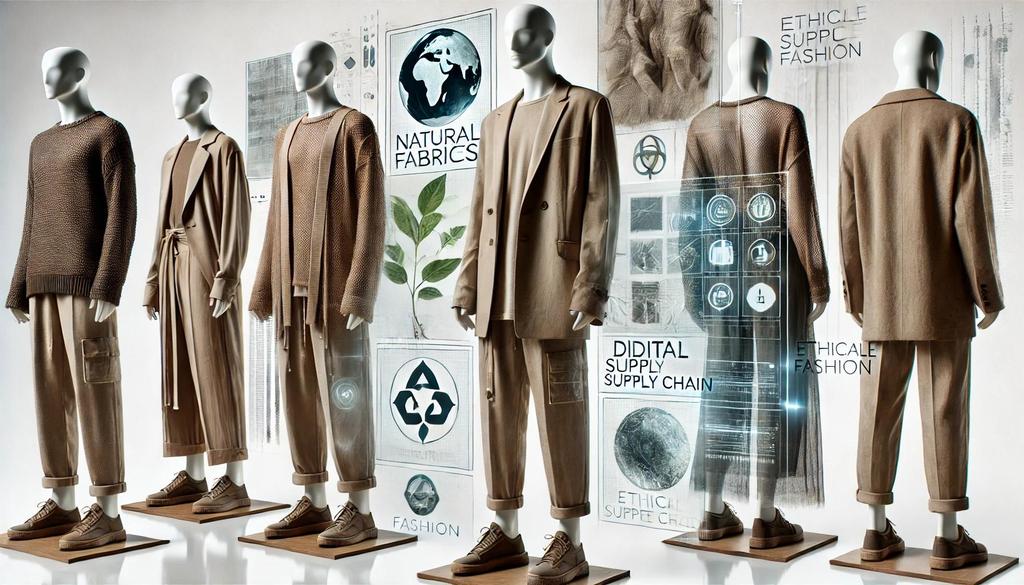
From innovations that optimize material use to those enhancing supply chain transparency, technology plays a pivotal role in ethical fashion. Digital tools help brands track resources and ensure eco-friendly practices.
- Blockchain solutions offer traceability, revealing every garment’s journey from factory to store.
- AI-driven analytics predict trends and minimize waste by optimizing production schedules.
- Virtual reality allows consumers to try on clothes digitally, reducing the need for excessive stock.
These advancements empower consumers and companies alike around the globe to make informed choices. Trendyol in Saudi Arabia exemplifies this by adopting tech-driven sustainability strategies and demonstrating leadership in the region. As these technologies evolve, they streamline operations and strengthen commitments to environmental responsibility and social justice across the fashion landscape.
Consumer Demand Driving Change in the Apparel Industry
With environmental issues like climate change pushing industries to adopt sustainability measures, one thing holds true. Consumers are demanding more ethical options. People want transparency, fair labor practices, and eco-friendly materials.
Brands are responding by reshaping their strategies to meet these expectations. This shift not only attracts conscious buyers but also influences industry standards.
Social media amplifies consumer voices, accelerating this transformation and holding companies accountable for their actions. The power of demand drives innovation toward a more sustainable future in fashion.
Strategies for Transparency in Manufacturing Processes
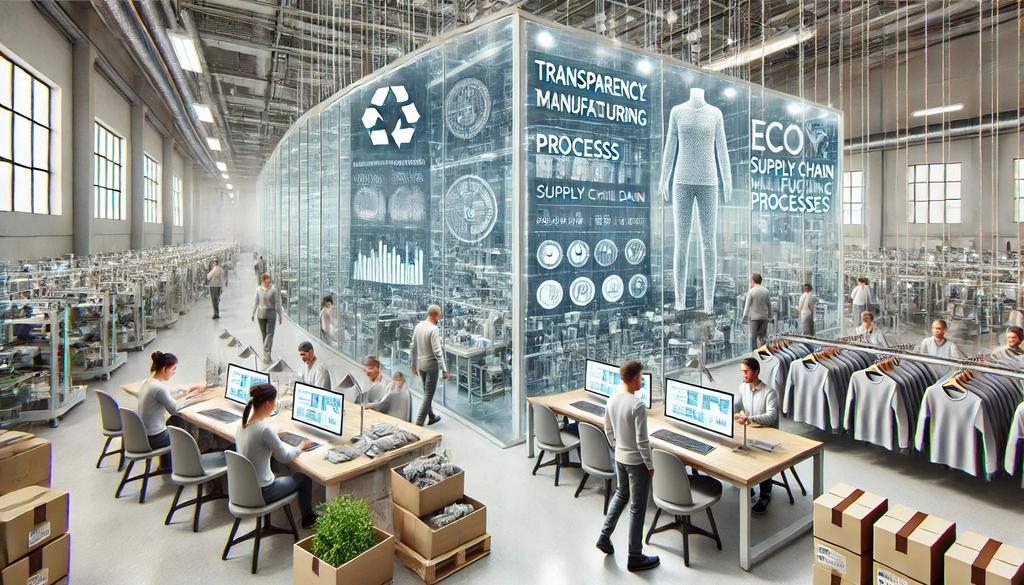
Imagine knowing exactly where and how your clothes are made. Transparency transforms the fashion industry by building trust and accountability. Brands now implement various strategies to reveal their supply chain processes, including:
- Detailed sourcing reports
- Supplier audits
- Interactive consumer apps
- Transparent labeling systems
These efforts give consumers a clearer view of production practices, fostering ethical choices. Fashion companies embracing transparency not only boost credibility but also set new industry benchmarks, driving broader change toward responsible manufacturing worldwide. This commitment reshapes the narrative around what it means to be an ethical brand.
Cultural Perspectives on Sustainable Style
Regional community nuances can have a profound impact on sustainable fashion practices. For instance, Scandinavian countries prioritize minimalism and functionality, while Japan embraces traditional techniques with modern sustainability. These cultural differences shape unique approaches to eco-friendly fashion.
Yet, as the world quickly becomes a global village, some perspectives are beginning to merge. International collaboration and shared values in sustainability encourage cross-cultural innovation. This fusion enhances creativity and promotes unified efforts toward an environmentally conscious future for everyone involved in the fashion industry.
Business Models Embracing Eco-Friendly Production
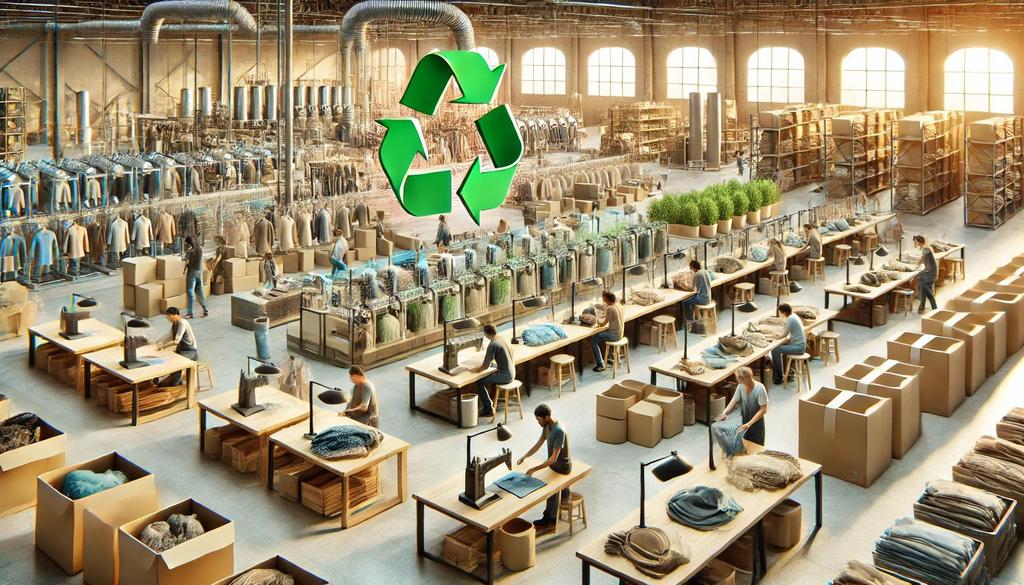
Innovative business models are transforming how fashion embraces eco-friendly production. Circular economies focus on reducing waste by reusing materials and promoting recycling, creating sustainable loops in manufacturing.
Subscription-based services offer consumers access to rotating wardrobes, minimizing the need for excessive buying. Brands adopting slow fashion emphasize quality over quantity, reducing environmental impact through deliberate design choices.
These models reflect a commitment to sustainability while meeting modern consumer demands. They redefine success in the industry by aligning profitability with ecological responsibility, paving the way for a more conscious future in fashion.
Challenges Facing Ethical Sourcing Practices
As a crucial element of ethical fashion, brands, and manufacturers face a fair share of hurdles related to sourcing. These include:
- Limited access to sustainable materials
- Higher production costs
- Supply chain complexities
- Lack of transparency in vendor operations
Addressing these challenges requires collaboration across industries, investment in innovative technologies, and education for stakeholders. Companies committed to overcoming these barriers will lead the way toward more responsible sourcing practices in the coming years, setting new standards for accountability and sustainability.

Paving the Path Toward a Sustainable Fashion Future
Ethical fashion is more than just a trend; it represents a profound shift towards sustainable practices and accountable production within the industry. As consumers become more conscious about the origins of their clothing and the impact of their choices, brands are responding by adopting transparency, embracing technology, and prioritizing ethical certifications. This collective movement not only fosters trust but also catalyzes meaningful change.
Looking ahead, the fashion industry stands at the forefront of a broader transformation. By integrating diverse cultural insights and innovative business models, brands can craft a more inclusive and eco-friendly narrative. However, the journey isn’t without its hurdles. Overcoming challenges in ethical sourcing requires persistent dedication, cross-sector collaboration, and robust stakeholder education.
By continuing to expand consumer awareness and advocating for responsible practices, the fashion industry has the potential to drive widespread environmental and social progress. As we move forward, let’s remain committed to designing a future that celebrates both style and sustainability, ensuring that fashion remains a force for good in our world.


