
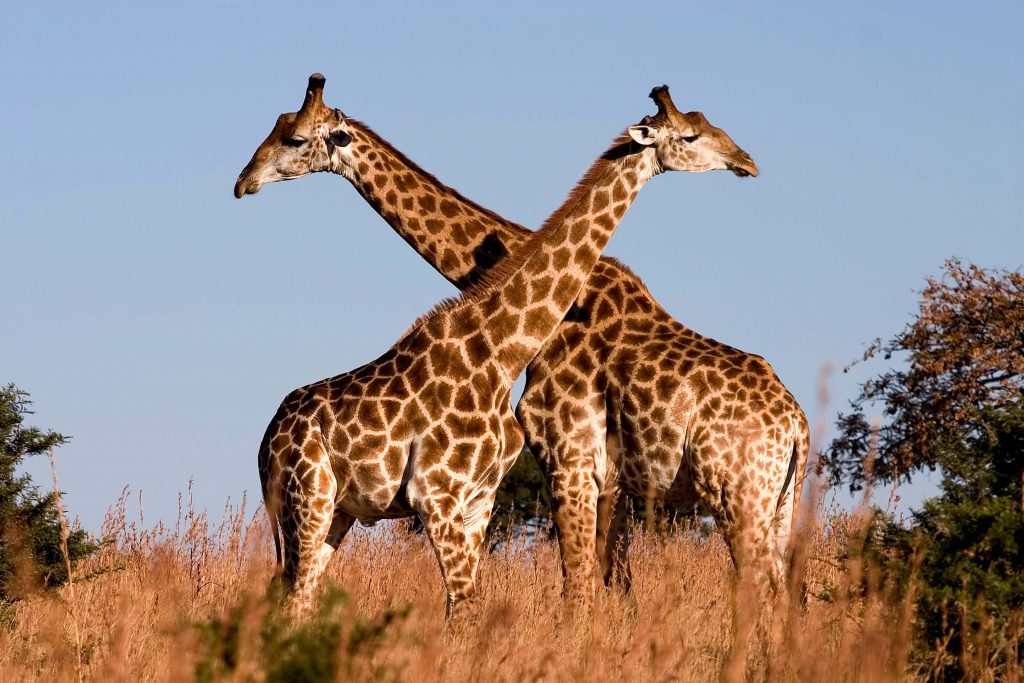
Giraffes and hundreds of other endangered species in Africa are considerably safer now thanks to the latest wildlife convention in Geneva. These creatures are being offered new protection against international trade through a new Appendix II designation.
In the past three decades, the giraffe population has declined by around 40% (leaving under 100,000 animals) and were recently classified as vulnerable species by the IUCN. Delegates acknowledge that international trade in skins, horns, and bones are contributing to their decline. However, conservationists believe that these new regulations will help protect them in the future.
The CITES Summit
After a 12 day meeting in Geneva, parties to the UN Convention on International Trade in Endangered Species (CITES) approved a long list of proposals to tighten protection. In conclusion, trade on giraffes are being regulated and protection is strengthened for endangered animals including elephants, the smooth-coated otter, swallowtail butterfly, pancake tortoise, southern white rhino, and mako shark. Some southern African countries were not happy about these new regulations and threatened to leave CITES.
Adam Peyman, Humane Society International’s wildlife programs and operations manager said:
Securing CITES Appendix II protection for the giraffe throws a vital lifeline to this majestic species, which has been going quietly extinct for years. This listing could not come soon enough. CITES listing will ensure that giraffe parts in international trade were legally acquired and not detrimental to the survival of the species.
Delegates from around the world gather at the CITES summit every three years to implement legislation that will help to protect endangered species by regulating the trade of animal byproducts. The treaty has been around for a long time. It was created over four decades ago and since then it has regulated trade in some 36,000 species of plants and animals. Furthermore, the treaty provides mechanisms to help crackdown on illegal trade and sanction countries that break the rules.
Ivonne Higuero, CITES Secretary-General, said:
CITES sets the rules for international trade in wild fauna and flora. It is a powerful tool for ensuring sustainability and responding to the rapid loss of biodiversity—often called the sixth extinction crisis—by preventing and reversing declines in wildlife populations.
“Wildlife crime continues to pose a serious threat to many species, and the criminal groups involved are increasingly organized, and constantly adapting their tactics to conceal their illegal activities and avoid detection. The good news is that the Consortium will continue to relentlessly work with the law enforcement community, building capacity and making available the tools and services they need to bring these criminals to justice by enabling them to mobilize the same measures against wildlife crime as those used against other serious domestic and transnational organized crimes” Higuero added.
Southern Africans Disapproval
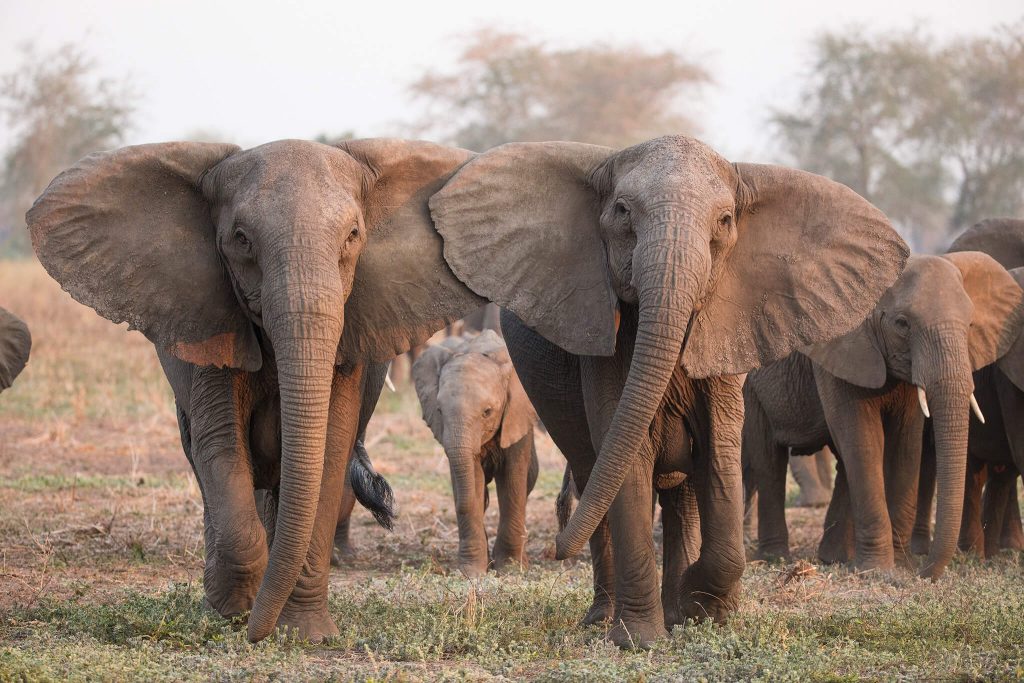
The proposal met strong resistance from the southern African region, where giraffe populations are thriving, healthier and have traditionally been better protected. The south African countries not only disagreed about the proposal with giraffes but also a number of decisions involving African elephants, including a near ban on sending wild elephants from the continent to zoos.
Zimbabwe is a major provider of wild-caught baby elephants to facilities in China. The county attempted to block a vote on the issue by invoking a mechanism never used before in all of CITES’s forty-year history. The President of Zimbabwe, Emmerson Mnangagwa also criticized the CITES conference’s rejection of a request by numerous countries in southern Africa to sell their stockpiles of ivory.

Countries in south Africa, where the population of elephants is healthy and well-protected, argue that they should be allowed to trade stockpiles of ivory to help fund conservation efforts.
Tanzania’s representative, spoke on the behalf of 10 southern countries, warning that they might withdraw from CITES. He said:
Time has come to seriously reconsider whether there are any meaningful benefits from our membership to CITES.
Exotic Pet Trade

Furthermore, the delegates also agreed on tightening protection for a number of species that are under pressure from the exotic pet trade such as the Asian small-clawed otter, smooth-coated otter, Indian star tortoise, and several turtle and lizard species. The species will be moved from Annex II to Annex I, which means all international trade will be banned.
Jeffrey Flocken, president of Humane Society International, said:
The world is waking up to the reality that we are at a turning point for saving our planet’s wildlife, countries seem to be shifting their focus from exploiting animals to protecting them.


