
What if every health crisis was treated as both a physical and emotional emergency? We often picture first aid as bandages and splints, but the deeper wounds are usually invisible. Behind every emergency is a person coping with shock or fear—an aspect of healing that rarely receives adequate attention. Physical care saves the body, but psychological support saves the person. In a world where crises feel constant, emotional recovery is as vital as medical treatment. Hospitals and communities now recognize its importance by expanding mental health response teams.
This article explores why emotional aid matters as much as physical treatment, how trained counselors support people through trauma, and what this shift means for the future of healthcare and everyday resilience.

Psychological First Aid: Healing After the Crisis
Once the immediate danger passes, a profound shift occurs. The rush of adrenaline fades, and silence replaces the chaos. That silence can feel heavier than the crisis itself. It’s the moment when survivors start asking, “What now?”
This stage is where psychological support steps in. It’s not about offering advice or pretending to fix what can’t be fixed. It’s about presence. A calm voice. A reminder that fear doesn’t have to turn into despair.
Modern health systems are beginning to understand this. In the aftermath of major emergencies, psychological first aid teams now accompany medical responders. They help people process what just happened, regulate panic, and make small choices that restore control. These interventions might look subtle, but they can prevent serious long-term effects like post-traumatic stress, anxiety, or depression.
Professionals trained in mental health response know that trauma doesn’t follow a schedule. It surfaces later, in flashes of memory or bursts of emotion. That’s why specialized education matters. For anyone inspired to help in this field, an accelerated counseling degree online can be a practical path to develop the skills needed for such emotional care. These programs help future counselors learn to respond under pressure while balancing empathy with structure—a rare but crucial mix.
Training more professionals to handle emotional crises directly builds more resilient communities.
Treating More Than the Body: The Need for Emotional Follow-Up
Walk into any emergency room and you’ll see organized chaos—medical staff moving fast, machines humming, and patients lined up with everything from fractures to fevers. What you won’t see is how many people leave physically stable but emotionally shaken.
Health is more than survival. It’s the ability to recover fully. When someone experiences an accident or illness, their physical pain may fade, but their sense of safety often doesn’t return as easily. That’s why mental follow-up is essential.
Studies suggest survivors of serious medical events—like heart attacks or car crashes—often develop anxiety or depression if they don’t receive post-crisis counseling. The body heals, but the mind stays alert, waiting for danger to strike again. Over time, that state of constant readiness leads to exhaustion, sleep issues, or emotional numbness.
Even healthcare workers aren’t immune. Nurses, doctors, and first responders face repeated exposure to trauma, and the pandemic made this starkly clear as burnout rates soared.
Many left the field altogether, not just from exhaustion but from emotional overload. When people who dedicate their lives to saving others begin to unravel, it is a clear sign that the system must also care for its caregivers.
That’s why many hospitals now offer in-house counseling or mindfulness programs. The goal isn’t to eliminate stress entirely but to build emotional endurance. When professionals feel supported, their patients benefit as well.

Redefining Strength: The Role of Emotional Acknowledgment
Society still clings to the image of the stoic hero—the nurse who never cries, the paramedic who never falters, or the patient who “toughs it out.” But true strength isn’t about suppressing emotion. It’s about acknowledging it without letting it take control.
Psychological support teaches people to understand that reaction is not weakness. Fear, anger, or sadness are part of the recovery process. Ignoring them only delays healing.
Consider the community recovery teams that respond after natural disasters; their first priority is safety, but their second is connection. They organize group discussions, help families reconnect, and provide quiet spaces for reflection. These may not seem like high-impact interventions, yet they determine how fast communities rebuild emotionally.
Even athletes and fitness professionals are embracing this mindset. Sports psychology, for example, applies the same principles of emotional regulation used in trauma care. The difference is context—whether you’re on a field or in an emergency room, mental resilience is the key to performance.
This growing understanding blurs the old line between physical and psychological care. It reminds us that health is a shared equation: body plus mind equals recovery.
Practical Skills for Building Everyday Emotional Resilience
We don’t need to wait for a crisis to practice psychological support, as the skills used in trauma counseling apply to everyday challenges.
- Practice Active Listening: Most people don’t need a solution; they need acknowledgment. When someone shares their distress, resist the urge to fix it and validate their feelings instead. A simple “That sounds difficult” can be incredibly powerful.
- Recognize Stress Cues: Physical tension, shallow breathing, and short tempers often signal mental overload. In these moments, pausing to take deep breaths or a short walk can interrupt the body’s stress response.
- Allow Time for Recovery: The same patience we give the body after an injury should extend to the mind. Emotional healing should not be rushed, just as you would not run on a sprained ankle.
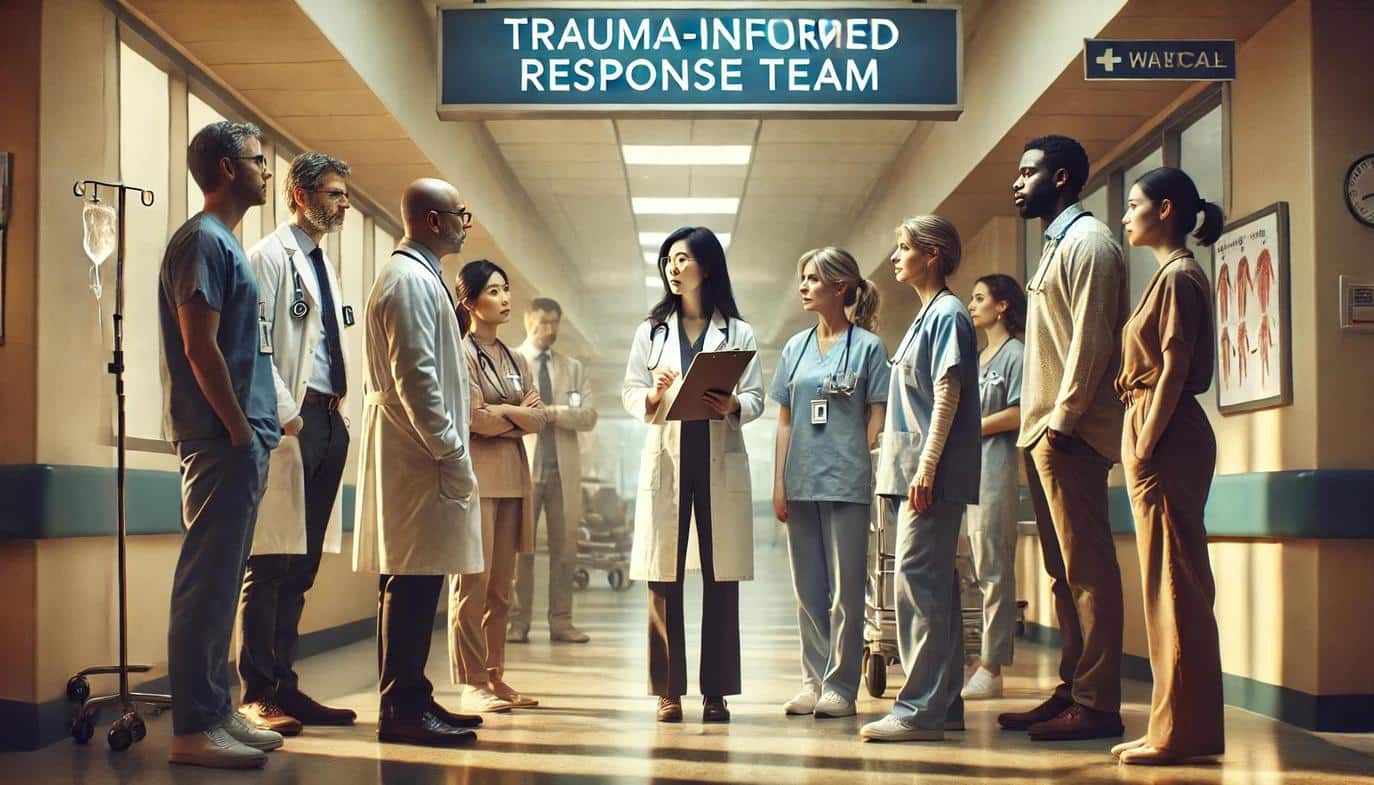
For communities and organizations, the next step is to integrate mental health first aid into standard emergency training, positioning it as an essential skill alongside CPR. Schools, workplaces, and sports facilities can all benefit from equipping people to respond calmly and compassionately in moments of emotional distress.
Weaving Emotional Recovery into the Fabric of Healthcare
The quiet power of psychological support lies in its profound simplicity. It operates not through grand gestures, but through steady, compassionate presence that helps individuals reclaim their own capacity to heal. As we advance in medical technology, it is crucial to remember that true health is a measure of both physical and emotional well-being. A system that treats the body but neglects the mind leaves the work of healing incomplete.
Integrating mental health first aid and trauma-informed care into our standard response protocols is the next logical step in building genuinely resilient communities. Physical recovery keeps a person alive, but emotional recovery keeps them whole. In an increasingly unpredictable world, fostering this deep human connection is not just an act of kindness—it is the most essential form of medicine we can offer.
Your Questions on Psychological First Aid Answered
What Is the Main Goal of Psychological Support in a Crisis?
The primary goal is not to provide therapy but to offer immediate safety, comfort, and stability. It involves listening without judgment, helping individuals meet their basic needs, and connecting them to ongoing support systems, thereby reducing the immediate distress and preventing long-term trauma.
Who Can Provide Mental Health First Aid?
While licensed counselors provide clinical care, mental health first aid is a skill anyone can learn. Like CPR, it is designed for laypeople—teachers, managers, community leaders, and peers—to provide initial support to someone experiencing a mental health crisis until professional help is available.
Why Is Support for First Responders So Important?
First responders and healthcare workers experience repeated exposure to traumatic events, leading to high rates of burnout and PTSD. Providing them with dedicated psychological support is essential for their own well-being and ensures they can continue to provide effective care to others.


