
Unexpected discoveries during an installation project can cause both stress and uncertainty, especially when hidden damage is revealed after work has already begun. From roofing to interior renovations, these situations can delay timelines, increase costs, and require quick decision-making. The reality is that, no matter how well a project is planned, hidden damage beneath the surface often remains unseen until the installation process begins.
This guide offers clear strategies for managing unexpected project surprises. It details how effective communication with contractors and a focus on practical solutions can minimize disruptions, prevent rushed decisions, and ensure a project progresses with confidence.
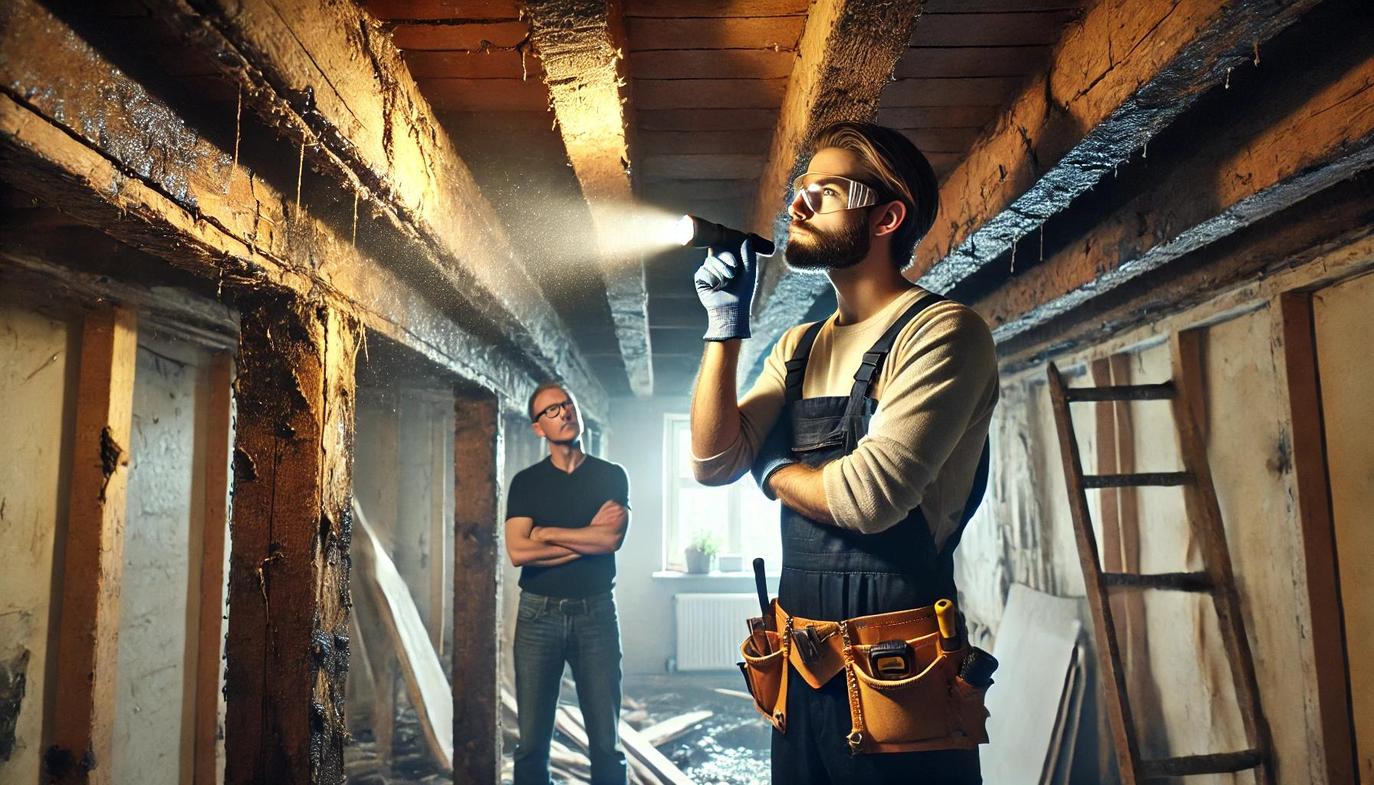
A Step-by-Step Guide to Managing Hidden Damage
1. Pause and Assess the Situation
When hidden damage is first discovered, the most important step is to pause and take a careful look at the issue before proceeding. Rushing forward without a proper assessment can lead to more significant issues later. For example, if AAA Midwest Roofing uncovers rotted wood beneath shingles, stopping the project for inspection ensures that the damage is fully understood.
This pause allows homeowners and contractors to gather accurate information, determine the scope of the problem, and decide on the most effective solution. It also prevents temporary fixes that may only mask deeper structural concerns. Taking time to evaluate the situation, rather than immediately continuing, helps set a foundation for thoughtful decision-making that can protect both the quality of the work and the investment being made.
2. Request Transparent Explanations
Once the issue is identified, homeowners should ask for a clear explanation from the contractor. Transparency is crucial when unexpected damage is involved because it builds trust and ensures both parties have a shared understanding. A thorough contractor will present the findings to homeowners, possibly with photos or on-site demonstrations, to show exactly what was uncovered.
For instance, if water damage is found beneath the flooring, seeing the affected areas can help the homeowner understand why immediate repairs are necessary. To prevent misunderstandings, homeowners should ask key questions:
- How did the damage develop?
- Does it pose a risk if left untreated?
- What are the available repair options?
Clear communication empowers homeowners to make informed choices and move forward with confidence.

3. Discuss Repair Options and Alternatives
Hidden damage rarely has just one solution. Often, multiple repair approaches are available, and each comes with different costs, timeframes, and long-term implications. Homeowners should discuss these options in detail with the contractor to weigh the benefits of each path.
For example, if a support beam is weakened by termites, one option might be reinforcement, while another might involve complete replacement. Each choice can affect project duration and overall expenses differently. Understanding these alternatives enables homeowners to select a solution that effectively balances durability with budget considerations.
Homeowners can avoid choosing quick fixes over more reliable and lasting repairs by maintaining an open dialogue about potential methods. Exploring alternatives is a valuable step that can lead to a better overall project result.
4. Review Updated Costs and Timelines
Hidden damage nearly always impacts a project’s financial plan and schedule; therefore, it is essential to review updated estimates as soon as possible. A trustworthy contractor will provide an adjusted breakdown of costs and explain how the new work will affect deadlines. Receiving a clear and detailed plan for any new work helps manage expectations regarding added expenses. For example, replacing damaged underlayment during a roof installation may add both material and labor costs, but having the revised numbers in writing prevents future disputes.
Reviewing timelines is equally important because unaddressed damage can significantly delay project completion. By clarifying both cost and time adjustments upfront, homeowners gain a realistic understanding of how the surprise will impact the overall project. This proactive approach helps avoid confusion and enables both parties to move forward with confidence.
5. Prioritize Long-Term Quality Over Short-Term Savings
When hidden damage appears, there can be a temptation to choose the cheapest or fastest solution just to resume the project quickly. However, prioritizing short-term savings may result in greater expenses later if the issue resurfaces. For example, simply covering up structural cracks instead of repairing them thoroughly can lead to more extensive repairs in the future. Homeowners should prioritize solutions that offer long-term durability, even if they require an initial investment. Contractors can offer insight into which repairs will deliver the most stability and prevent recurring problems. By choosing quality-driven solutions, homeowners not only protect the current project but also safeguard their property from repeated disruptions. Considering the broader perspective ensures that the installation process remains a valuable investment rather than a recurring expense.

Turning Unexpected Challenges into Quality Outcomes
The discovery of hidden damage is a common event in many renovation and installation projects. While it can be an unwelcome surprise, it is also an opportunity to address underlying issues and improve the long-term health of your property. By approaching the situation with a calm and methodical strategy—pausing to assess, demanding clear communication, and carefully evaluating your options—you shift from a position of stress to one of control. This proactive stance is the key to managing unexpected costs and delays effectively.
Ultimately, how these surprises are handled is what defines the success of a project. Prioritizing durable, quality repairs over quick fixes safeguards your investment and prevents future problems.
By working transparently with your contractor and documenting every decision, you can navigate these challenges with confidence. This ensures that the final result is not just what you envisioned but is also built on a sound, stable, and secure foundation.
Answering Your Questions About Hidden Damage
Who Is Financially Responsible for Hidden Damage?
Typically, the homeowner is responsible for the cost of repairing pre-existing hidden damage, as it is not the fault of the contractor. This is why many experts recommend setting aside a contingency fund (usually 10-20% of the total project cost) to cover such unexpected expenses.
What Is a Change Order, and Why Is It Important?
A change order is a formal written document that details any changes to the original project scope, including the new work required, the associated costs, and any adjustments to the timeline. It should be signed by both the homeowner and the contractor before any new work begins, serving as a crucial piece of documentation to prevent disputes.
How Can I Be Sure the New Repair Costs Are Fair?
To ensure fairness, ask your contractor for a detailed breakdown of the new costs, including materials and labor. For significant structural repairs, it can be worthwhile to get a second opinion from another qualified professional to verify the proposed solution and expense.
What Should I Document When Hidden Damage Is Found?
Thorough documentation is essential. You should take clear photos or videos of the damage, keep a log of all conversations with your contractor, save all email or text communications, and ensure any changes to the project are captured in a signed change order.

