
Repairing your home after it has sustained damage can be a daunting and overwhelming task. Whether the damage results from severe weather, accidental fires, or other unforeseen incidents, it is crucial to approach the repair process methodically to ensure safety and efficiency.
In this article, we will outline seven essential steps to follow when repairing your home after damage. These steps will guide you through assessing the damage, planning the repairs, and executing them effectively, helping you restore your home to its former condition with as little stress as possible.
Consulting The Right Experts
Consulting with the right experts is one of the most important steps in repairing your home after damage. Depending on the type and extent of the damage, you may need to work with a variety of professionals, including contractors, engineers, and insurance adjusters. A premier roofing company may be needed if your roof has sustained damage, while a water damage restoration company can assist with flood or water-related issues. It is essential to conduct thorough research and select reputable experts. These professionals should have experience in addressing the specific type of damage your home has sustained.
Ensure Safety and Prevent Further Damage
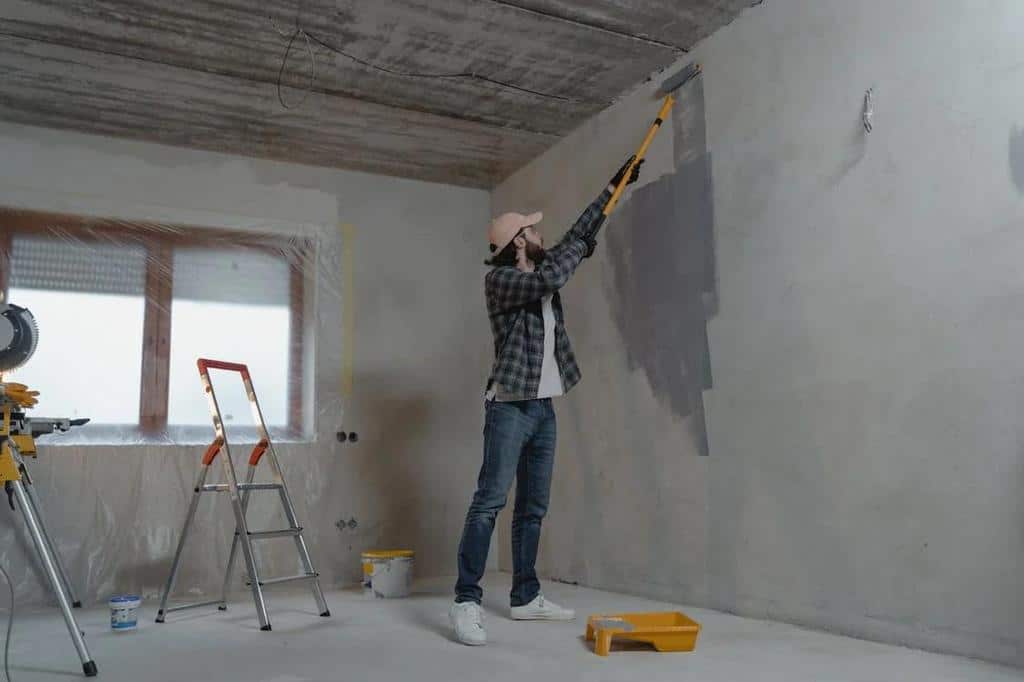
Before diving into any repair work, ensuring the safety of all occupants and preventing further damage to your home should be your top priorities. Start by assessing the immediate hazards, such as the risk of structural collapse, exposed electrical wires, or gas leaks. If you notice any serious safety issues, leave the area immediately. Contact emergency services if needed.
After addressing immediate dangers, take steps to secure the property:
- Board up broken windows.
- Cover roof holes with tarps.
- Shut off utilities if there’s a risk of water or electrical damage.
These measures will help mitigate additional harm and create a safer environment for both the residents and repair crews working on restoring your home.
Contact Your Insurance Company
Once you have ensured your home’s and its occupants’ safety, the next critical step is to contact your insurance company. Inform them of the damage as soon as possible to initiate the claim process. Provide detailed information about the extent of the damage and any immediate measures you have taken to prevent further harm.
Documenting the damage with photographs and keeping records of any communications and receipts for temporary repairs and services is helpful. An insurance adjuster will likely need to inspect the damage in person, so be prepared to schedule an appointment. Promptly notifying your insurer will help expedite the process, potentially securing funds for necessary repairs and alleviating some of the financial burden associated with restoring your home.

Document the Damage Thoroughly
Thoroughly documenting the damage to your home is a vital step in the repair process, and it can significantly impact the success of your insurance claim. Start by taking high-resolution photographs and videos of all affected areas. Capture both wide shots to show the overall scene and close-ups to highlight specific details of the damage. Make sure to include pictures of structural damage, personal property losses, and any secondary damage, such as mold growth or water stains.
A comprehensive written inventory of damaged items should be created, noting their approximate value and condition before the incident. This meticulous documentation will provide clear evidence for your insurance company and can streamline the claim process, ensuring you receive adequate compensation to cover repair costs. Ensure that you keep all records well-organized and readily accessible. This will be important for reference throughout the restoration process.
Develop a Detailed Repair Plan
A detailed repair plan is essential to ensure the restoration process proceeds smoothly and efficiently. Begin by prioritizing repairs based on the severity and urgency of the damage. For instance, addressing structural issues and making the home safe should take precedence over cosmetic repairs. Next, itemize each task that needs to be completed, breaking down larger projects into manageable steps. Include estimated costs, materials needed, and timeline projections for each task.
Consult with the professionals you engaged earlier to refine your plan, ensuring it is realistic and comprehensive. Incorporating any recommendations or requirements from your insurance company into your repair plan is also beneficial. Having a well-organized plan in place will help you stay on track, avoid unnecessary delays, and control costs. Keep in mind that flexibility is crucial; be prepared to adjust your plan as new information or challenges emerge during the repair process.

Hire Qualified Contractors and Professionals
Hiring qualified contractors and professionals is crucial to achieving quality and long-lasting repairs to your home. Start by asking friends, family, or neighbors for recommendations if they have experienced similar repairs. Then, research potential contractors and professionals online. Look carefully at reviews and ratings from previous clients. Ensure that any contractor you consider is properly licensed, insured, and holds the necessary certifications in their field.
Request detailed quotes from several contractors. This will allow you to compare pricing, project scope, and estimated timelines. Do not automatically opt for the lowest bid; instead, consider their experience, reputation, and confidence in their ability to execute the repairs effectively.
It is also wise to check with your insurance company to see if they have a list of preferred vendors or if they offer any recommendations. By selecting qualified and reputable contractors, you can ensure that your home restoration meets the highest standards. This approach safeguards both your investment and the well-being of your household.
Monitor the Repair Process and Finalize Inspections
Actively monitoring the repair process is essential to ensure that the work is progressing according to plan and meets the expected quality standards. Maintain regular communication with your contractors and professionals.
Scheduling regular mold inspections can help detect and prevent any issues during or after the repair process, ensuring a healthier living environment and prolonging the lifespan of your home. This will help you stay updated on the progress and address any concerns that may arise.
Make periodic site visits to inspect the ongoing work and verify that tasks are being completed as scheduled. If you notice any discrepancies or issues, discuss them with your contractor promptly to avoid further complications.
As the repairs near completion, it is crucial to conduct thorough inspections. Ensure that all work meets your satisfaction and complies with local building codes and regulations. You may also need to arrange official inspections by local authorities or third-party assessors to confirm the safety and quality of the repairs.
Document any remaining issues or touch-ups that need to be addressed and communicate these to your contractor for timely resolution. Finalizing the inspections with a detailed walkthrough will give you peace of mind that your home has been restored properly and is safe for occupancy.

Efficient Home Repairs After Damage
Repairing your home after damage can be a lengthy and challenging process, but by following these seven essential steps, you can ensure that the repairs are completed efficiently and correctly. Remember to consult with professionals, prioritize safety and documentation, develop a detailed plan, carefully select contractors, actively monitor progress, and conduct thorough inspections. By taking these steps, you can restore your home to its original condition, ensuring a safe living environment for you and your loved ones.

