
Nobody plans on being in an emergency, especially while driving. However, accidents can happen anywhere at any time, so it’s important to be ready. Even meticulously maintained vehicles encounter issues occasionally, and even the most careful drivers make mistakes.
Making plans for unforeseen crises might help you stay safe and reduce worry under challenging circumstances. Here are a few things you may do to get ready in case you get into some sort of road emergency.
Create a Portable Emergency Supply Kit
Why not carry an emergency supply kit in the car, as drivers never know what could be helpful during a breakdown? Whether drivers are on a long road trip or just commuting to work, having a fully equipped kit is beneficial when anything unexpected happens.
A first aid kit, an extra tire, jumper cables, floor pumps, tow wires, traction devices, emergency navigational equipment (such as a map), a compass, a flashlight, batteries, reflective emergency triangles, a multi-tool device, and a shovel are some items to think about. Remember to check the contents of the kit every six months to see if anything is missing, broken, or has passed its expiration date.
Get Professional Help
Call for assistance after you are completely off the road. Tell the emergency personnel where you are, what your automobile looks like, and any exceptional circumstances you may be experiencing (such as a large group of passengers, young children in car seats, an uncommon or rare vehicle, etc.). In addition to dialing 911 or roadside help, you should phone a relative or friend to let them know where you are and what is happening.
It is certainly worth mentioning that you can and should get professional help in the form of a lawyer, which you can and should provide for yourself after an accident. Whatever vehicle you were driving and had an accident, lawyers are here to protect your rights and help you get the best possible outcome. All the truck accident lawyers at Angel Reyes and Associates, or any other vehicle lawyer, will do for you what you could not achieve on your own. Indeed, no one wants to deal with paperwork after an accident.
An Escape Tool Can Save Your Life
It’s usually a good idea to have automotive escape equipment with you. These multipurpose instruments can be used to sever seatbelts and shatter windows from inside the vehicle. This can come in handy if someone is trapped in a vehicle or if it crashes into the water.
This gadget should ideally be kept in the glove box or center console for quick access. Just in case, let the passengers and any potential car drivers know where this tool is.
Do Not Forget About the Gas
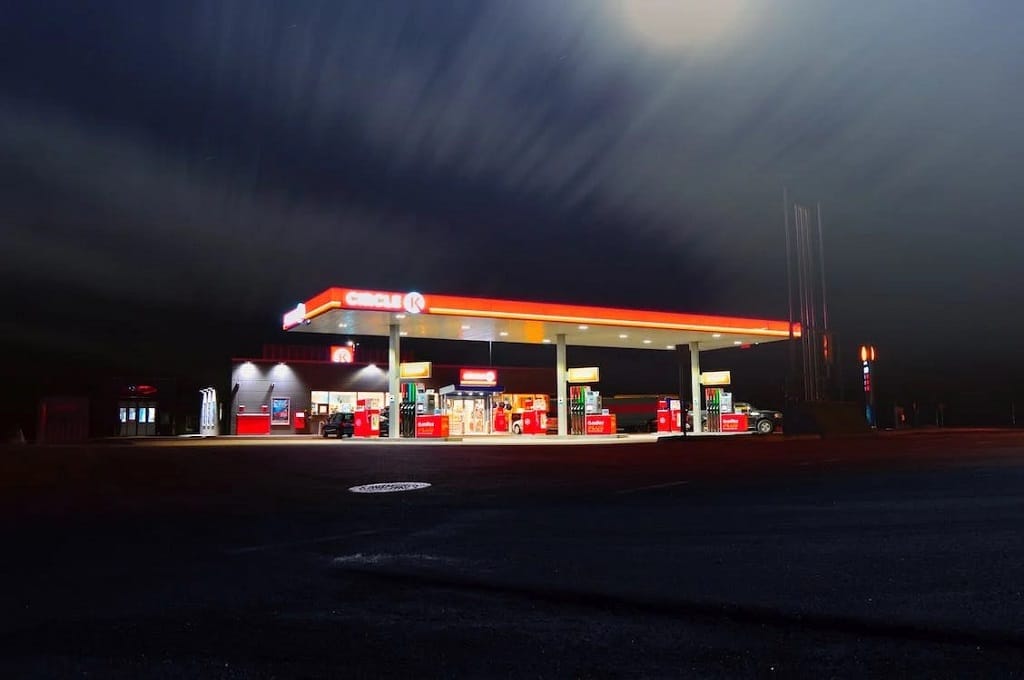
It can be tempting to skip the gas station and wait until the next day to fill up after a long day. Instead, think about keeping the tank of gas at least half full. An entire region may attempt to flee the same area at once during an unplanned occurrence like a natural disaster, raising the likelihood of a gas shortage or high pricing, according to emergency preparedness experts. Drivers can get moving straight away with only half a tank of gas and refuel later on.
Carrying cash is another thing to think about. SBP, a disaster relief organization, asserts that in times of crisis, cash rules. Cash could be the only form of payment that is readily accepted during emergencies at gas stations and while purchasing other last-minute supplies.
Make Sure You and Your Car Are Noticeable
For other drivers, people providing technical help, and/or emergency personnel to see you, it’s crucial to make your vehicle visible. Activate your caution lights and, if needed, deploy flares. In bad weather, you can also attach a brightly colored object to your door knob or antenna to increase your visibility. Put on your reflective safety vest and, if it is acceptable to oncoming vehicles to do so, arrange the reflective triangles in your safety kit at a 15-meter width.
Keep track of any unexpected sights, noises, or odors coming from your car and any changes in how your vehicle behaves (e.g., pulling to one side or hesitating when accelerating). The remarks can help your repair personnel and emergency roadside assistance in locating the issue.
Although diligent maintenance of your car might help you avoid problems and breakdowns, it’s always a good idea to be ready for anything. We hope our advice was helpful and that you will not find yourself in any kind of road emergency. Stay safe on the road!


