
Skip bins are a practical and cost-effective solution for managing waste for construction, residential, or commercial projects. Proper waste management is not only hygienic but is also beneficial to the environment.
This guide will show you how to use skip bins to dispose of your waste effectively, keeping your site clean and your procedures eco-friendly.
Understanding The Application Of Skip Bins
Skip bins are versatile and applicable in various scenarios:
- Home Renovations: Skip bins are ideal for disposing of old furniture, carpets, or construction material, which can be bulky.
- Garden Waste: If you’re cleaning up your garden, you can use skip bins for disposing of organic waste, including branches, leaves, and grass cuttings.
- Construction Sites: Construction sites usually generate a lot of debris, waste material, rubble, etc., which can be efficiently managed with skip bins.
- Office Clutter: Discarding old furniture, electronics, or office debris becomes easier with skip bins.

Things You Didn’t Know about Skip Bins
In the evolving era of consumerism, there is a constant need for efficient and sustainable waste management. One effective solution is something many of us unknowingly overlook: skip bins.
To put it simply, skip bins are large containers that store waste until it can be disposed of appropriately. Despite their perceived simplicity, several surprising facts and features related to these bins might catch your eye.
-
They come in Various Sizes
Like most products, skip bins aren’t one size fits all. From mini to jumbo size, there is a tremendous range to cater to the diverse requirements of consumers. Sizes often range from 2 cubic meters, suitable for small home clean-ups, to 30 cubic meters, designed for extensive commercial construction projects.
More importantly, certain companies even offer services like “same day skip bin hire,” a lifesaver when you urgently need waste management solutions. Typically, the rule of thumb is simple: hiring a larger skip bin is better than you think you need. That way, you avoid running out of space or hiring another one.
-
They Handle a Range of Waste Types
Skip bins aren’t just for standard household trash; they’re spacious and versatile enough to handle various waste types. They’re commonly used for general waste (food, wrappers, cardboard), green waste (grass clippings, leaves, branches), building waste (bricks, plaster, tiles), and even hardfill waste (concrete, soil, rocks).
Of importance, however, is the fact that not all waste can be handled by skip bins. Hazardous waste such as asbestos, chemicals, and batteries generally require special handling and are not usually accepted in standard skip bins.
-
Bin Placement Matters
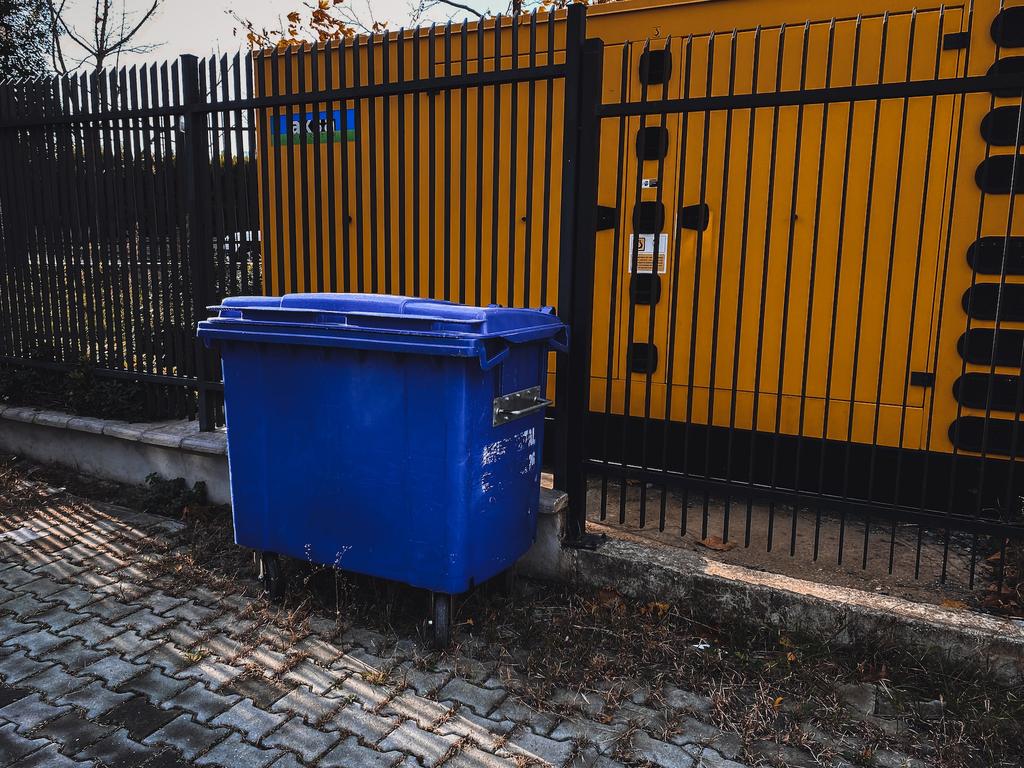
While many might believe skip bins can be placed anywhere, the reality is different. Bin placement is subject to several legal stipulations, which vary based on local regulations. However, skip bins should not block pathways or driveways or infringe on public property. Before hiring a skip bin, check with your local council for any required permits and placement laws.
-
They’re Eco-friendly
Skip bins are often associated with waste and garbage, so it might be a surprise that they’re eco-friendly. The waste collected in skip bins is usually taken to a sorting facility where as much as possible is recycled. This significantly reduces the quantity of waste in landfills and promotes environmental sustainability.
-
A Bin for Every Job
The universality of skip bins is another factor that makes them stand out. From residential clean-ups, garden works, and DIY projects to commercial construction, office clean-ups, and industrial waste management, there’s a skip bin suitable for almost any task.
Why Choosing The Right Size Of Skip Bin Matters?
One of the biggest mistakes when renting a skip bin is choosing the wrong size. Make sure to estimate the amount of waste you will dispose of accurately.
Here’s how you can select the right size of skip bin:
- 2-3 Cubic Metres: Suitable for minor tasks such as room clean-ups or waste from small garden tasks.
- 4-5 Cubic Metres: Ideal for medium tasks, like bathroom renovations or larger garden clear-ups.
- 6-8 Cubic Metres: Perfect for larger tasks like a complete house clean-out or significant renovation projects.
- 9-12 Cubic Metres: Suitable for large construction or commercial projects.
Appropriate Waste Disposal In Skip Bins
Consider what type of waste you will be throwing away. Sorting your waste can ensure proper disposal and recycling if applicable.
- Green Waste: This includes any organic material like wood, leaves, or branches. These items can be composted or mulched.
- General Waste: This comprises household items, furniture, or office waste. General waste should be separated from other types of waste as much as possible.
- Hardfill Waste: This covers non-degradable items such as concrete, soil, or bricks. These materials are often used for landfills or building foundations.
- Special Waste: This includes items that are more hazardous, such as batteries, tires, or chemicals. These need to be disposed of separately following local regulations.
How To Maximize Space In Your Skip Bin
Knowing how to load your skip bin correctly can maximize its capacity:
- Large Items First: Put the most substantial and bulkiest items at the bottom of the skip bin. Fill smaller items into the gaps later.
- Break Items Down: If possible, dismantle or break down items to reduce their volume. This not only helps to save space but can also make lifting items into the bin easier.
- Flat Items on Top: Place flat items like doors or boards on the top when your skip bin is nearly full. This will allow you to maximize your use of space while still being able to close the skip bin.
Why Do You Need To Adhere To Local Regulations
It’s essential to adhere to your local waste disposal regulations. Some general regulations include:
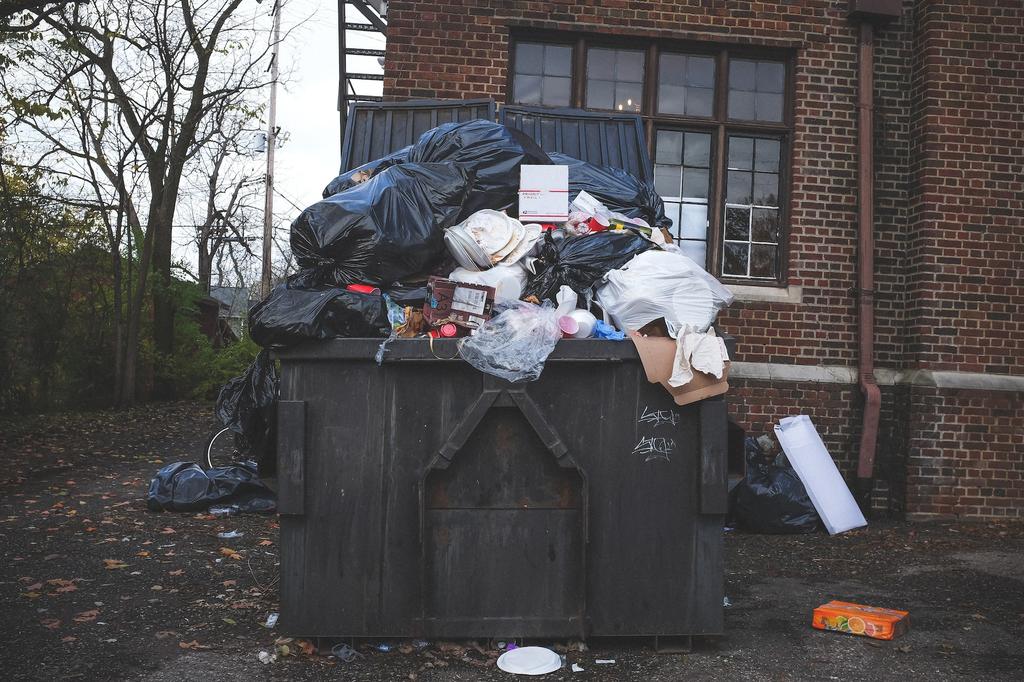
- Load Limit: Ensure your skip bin isn’t overfilled; this can make transportation dangerous and is generally against regulations.
- Banned Items: Some items, such as asbestos or other hazardous materials, are prohibited from skip bins. Check your local regulations or ask your skip bin provider what’s banned.
- Permits: Some local councils require a permit to place a skip bin on public land. The permit will also specify when the skip bin can stay at the location.
Final Words
With the tips above, you can optimize the use of your skip bin effectively. Remember, proper waste management helps keep your environment clean and follows the trend towards more sustainable practices.
Taking responsibility for your waste can significantly reduce environmental harm, benefiting generations to come.

