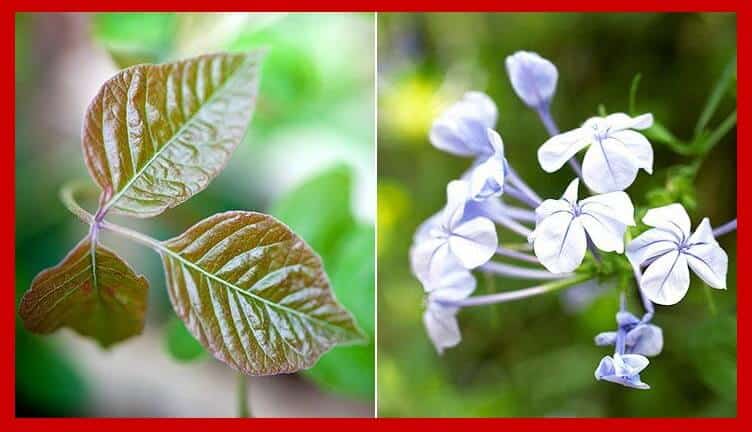
Plants don’t like losing their leaves to herbivores, so they’ve evolved various defense mechanisms to keep leaf predators at bay. Unfortunately, most of these chemical defenses can produce painful skin reactions in people. Several plants might burn, blister, or irritate you if you contact them in the wild or in your yard.
What to Know About the Itchy Rash
Poisonous plants don’t take much to irritate your skin: in many cases, just brushing up against them while walking is enough to trigger a rash. This type of skin irritation is known as “contact dermatitis.” It occurs when your skin experiences an allergic reaction to a chemical.
A rash usually appears minutes or hours after exposure and can linger for up to a month, depending on the intensity. According to the Mayo Clinic, besides a red, itchy rash, other indications and symptoms of contact dermatitis can include:
- Burning, swelling, or tenderness
- Dry, cracked, scaly skin
- Blisters and bumps, sometimes with oozing and crusting

Itchy Rash-Inducing Plants
Most people are familiar with poison ivy, poison oak, and poison sumac as plants that cause rashes and skin irritation. But did you know that many others can leave you feeling itchy and uncomfortable?
Wild Plants
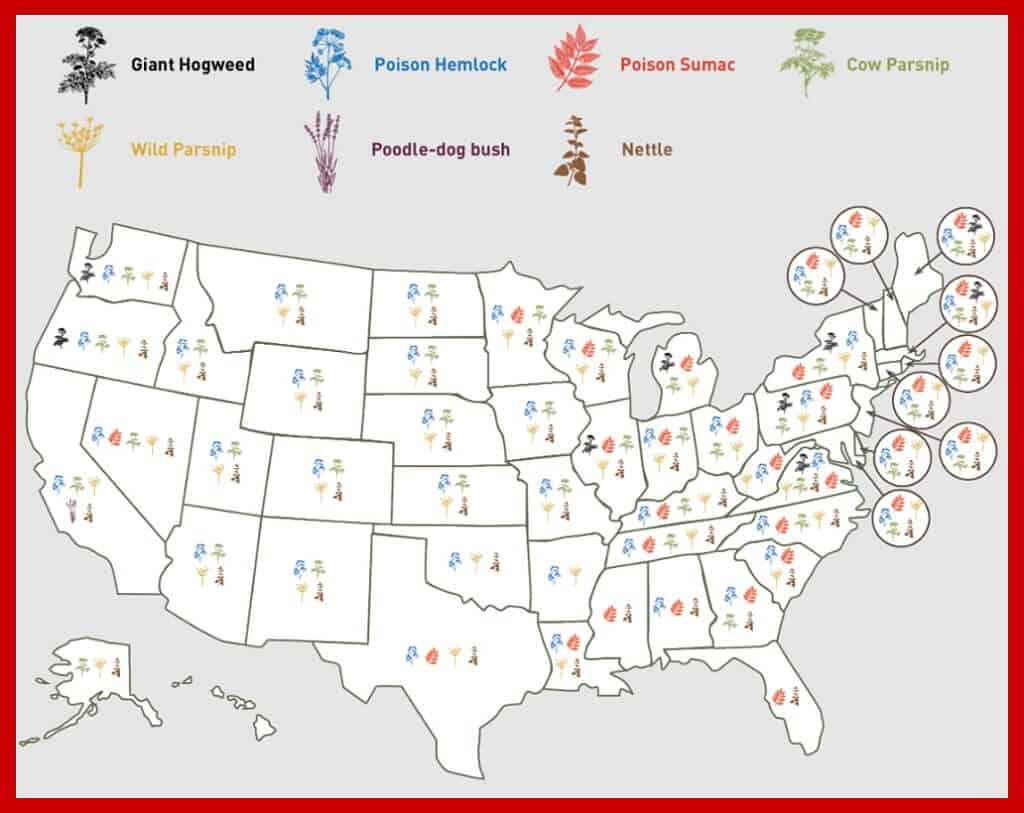
Here are seven plants that, like poison ivy, cause contact dermatitis and grow wild all across the U.S.—from parks and backyards to roadsides and wooded areas:
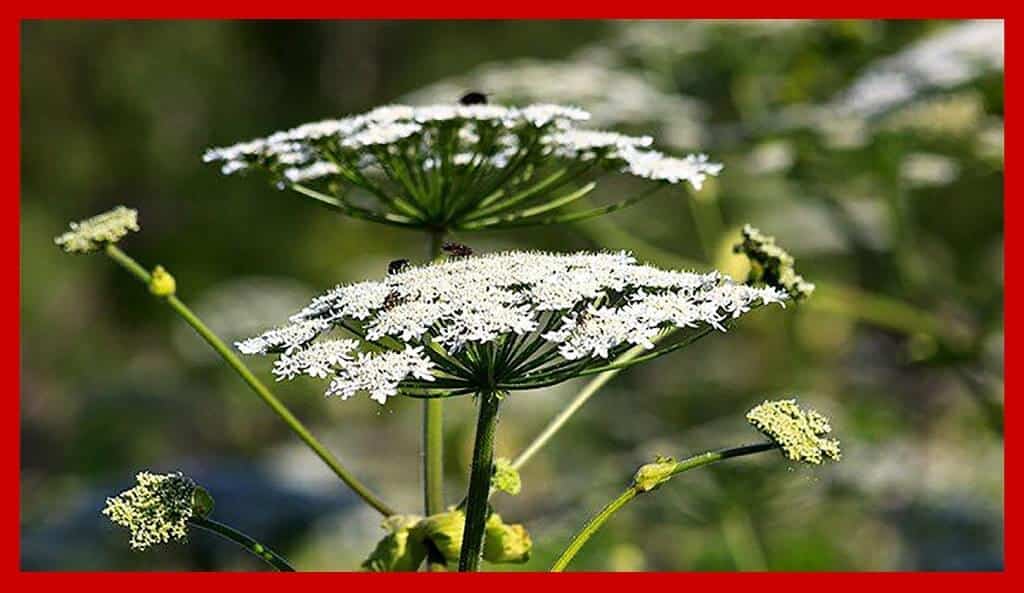
- Giant hogweed
- Leadwort (also known as plumbago)
- Spotted water hemlock
- Ragweed
- Stinging nettle
- Wood nettle
- Tread-softly


Garden Plants
According to the AADA (American Academy of Dermatology Association), these homegrown crops can cause skin reactions:
- Tomato
- Strawberry
- Garlic
- Hot peppers
- Comfrey
- Rosehips
- Borage
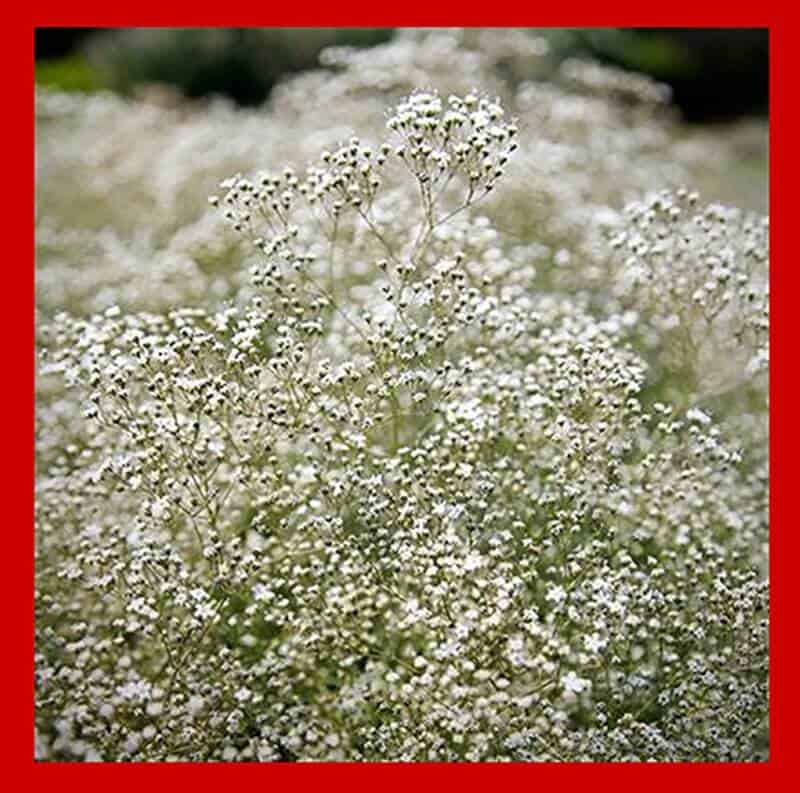
- Baby’s breath (when dried)
- Hyacinth bulbs
- Daffodil bulbs
- Tulip bulbs

Avoiding and Treating Plant Rashes
If you’re unsure whether a plant you’ve found in the wild or grown yourself in your garden may produce a rash, cover up any exposed skin (particularly on your arms and legs) and wear gardening gloves.
If you think you’ve contacted one of these plants, wash your hands and the affected area thoroughly with water (however, the AADA advises avoiding soap and intense scrubbing). Contact dermatitis typically takes at least one to two weeks to heal. Here are some options for at-home treatment:
- Soaking for 20 minutes in an oatmeal bath can relieve the itching sensation.
- Use a topical cortisol steroid like hydrocortisone to treat the rash.
- Aluminum acetate combined with a cool compress offers relief during the blistering phase.
- Calamine lotion is a soothing agent that can promote drying the skin to heal the rash.